


Peak download speeds above 400Mbps at Aberdeen Proving Ground give Amazon a defence reference as it races Starlink.
The Army announced on 13 October that an Amazon Leo test in Maryland topped 400Mbps in peak download speed. The Army’s Combat Capabilities Development Command hosted the demonstration at Aberdeen Proving Ground. Here is the TF breakdown of the test, the satellite count and the Starlink race.
What’s Happening & Why It Matters
The Test

Participants used a laptop to send and receive data as satellites passed overhead, Aviation Week reports. Peak download speeds topped 400Mbps. The report gives no latency figure, upload speed, or average speed.
A peak figure from one demonstration is a narrow data point. Amazon’s gigabit claim for its Leo Ultra terminal comes from a separate demonstration of a single terminal, according to SatelliteInternet.com. Independent field data would show how speeds hold across a day.
The Constellation
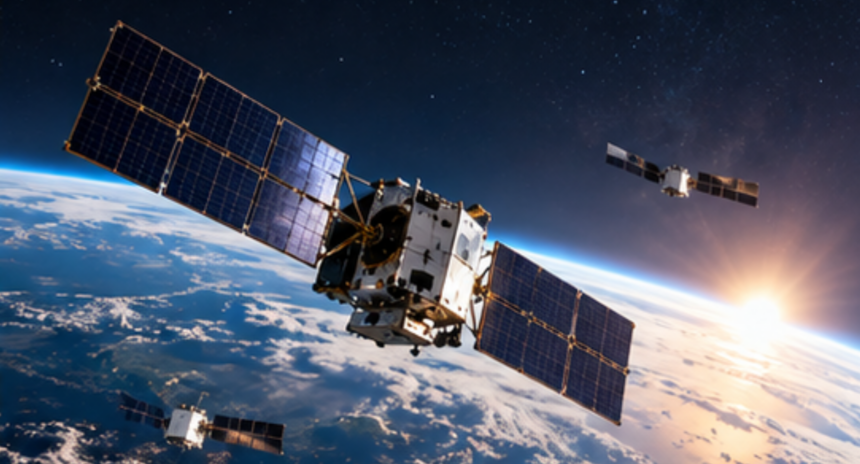
Wikipedia’s launch list shows 398 satellites launched across 15 flights, with 396 operational. Aviation Week says the network will grow to more than 7,000 satellites. Amazon has built more than 1,000. Two launches are due within weeks: one on a ULA Vulcan and one on an Arianespace Ariane 6.
The slow launch cadence is the main constraint. SpaceX operates the larger Starlink fleet and has a head start in service. Amazon, once called Project Kuiper, must launch much faster to close the gap.

The Speed Claims
Amazon’s Leo chief Rajeev Badyal cites 1Gbps download and 400Mbps upload for Leo Ultra, Android Headlines reports. He puts Starlink at about 350 Mbps down and about 40 Mbps up. The figures are Amazon’s, with no independent test data.
Delta Air Lines plans to use Leo for in-flight Wi-Fi, with airlines expecting service by 2028. Most other airlines, including United and American, use Starlink.
My take: a defence test is a smart showcase. Military buyers want proof of speed, resilience and security. The Army demo gives Amazon a public reference customer before consumer service opens.
TF Summary: What’s Next

Two launches will add satellites in the coming weeks. Amazon must publish latency, upload, and average speeds from field tests. Airlines and governments will compare Leo with Starlink on price and coverage. Independent testers will measure real speeds once beta users go live.
MY FORECAST: Amazon will announce more government and defence trials by mid-2027. Independent tests will show Leo below Amazon’s peak speeds in everyday use. Starlink will cut prices or raise speeds on enterprise plans. Amazon will open paid service to more businesses within a year.
Related Stories
- SpaceX spectrum story: slug needed
- NASA private space stations story: slug needed
- Apple Unveils HomeView, a New Apple TV 4K and HomePod mini 2