


Optional in March. Mandatory now. Every label and distributor must tag any track where AI created a “material portion” — and Apple isn’t defining exactly what percentage that means.
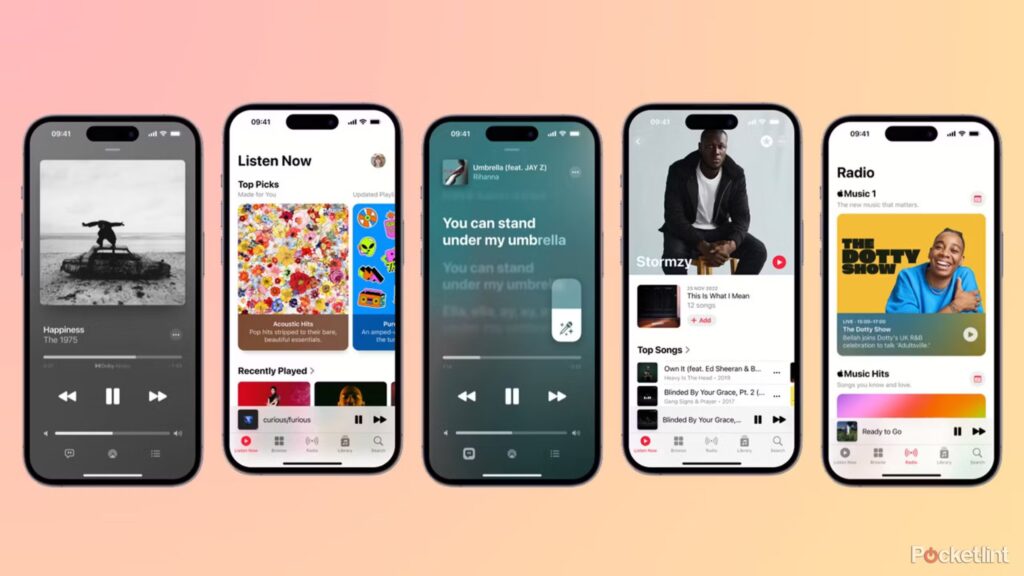
Apple Music told industry partners it will begin displaying visible “Made With AI” labels on tracks later this year, confirming a rollout first previewed back in March. The email, obtained by The Hollywood Reporter and separately reviewed by Variety, marks the first time Apple has attached a general release window to the feature. Record labels and distributors will be required to add an AI Transparency Tag whenever a “material portion” of a track’s sound recording, composition, artwork, or music video was created using generative AI. Apple didn’t name a specific month, and hasn’t published what the finished label will look like on-screen.
What’s Happening & Why It Matters
Optional Metadata to Mandatory Disclosure

Apple’s approach has moved through two distinct phases. In March, the company introduced AI Transparency Tags as part of Apple Music’s technical delivery specification. The system lets labels and distributors voluntarily flag content as “materially generated using AI.” Submitting the tag was discretionary. Most providers skipped it. Apple’s own specification shows album-level AI transparency as optional, and if a provider omits the tag, Amply assumes none applies.
Thursday’s update changes the requirement, not the tagging system itself. Content providers must include an AI Transparency Tag any time AI created a material portion of a delivered piece of content — full stop, no discretion. What was sitting in a delivery feed as background metadata is a listener-facing mark anyone browsing Apple Music will see. Apple framed the shift in its note to partners: “As we implement Made With AI Labels, content providers will be important partners. They are best positioned to know how their content was created.”
“Material Portion” Is Doing a Lot of Undefined Work
Here’s the gap nobody’s filled in yet. Apple’s requirement applies wherever AI creates a “material portion” of a . Still, the company hasn’t published a specific percentage threshold or clarified how granular that judgment needs to be. A song with a human vocalist singing over an AI-generated instrumental qualifies. So does a fully human recording built on AI-written lyrics, or a human composition paired with a synthetic vocal. Apple’s system is flexible enough to flag AI involvement across the recording, the composition, the artwork, and the video — rather than forcing a blunt real-or-fake binary onto every release.
That flexibility is also the system’s biggest open question. Without a defined percentage or a clear enforcement mechanism, “material portion” leans on self-reporting by labels and distributors who have every commercial incentive to under-disclose. Apple isn’t announcing a ban on AI-generated music, and has been explicit that the focus is transparency, not restriction — but a disclosure regime that relies on the disclosed party’s own judgment is only as strong as that party’s willingness to comply.
An All-Year Trend
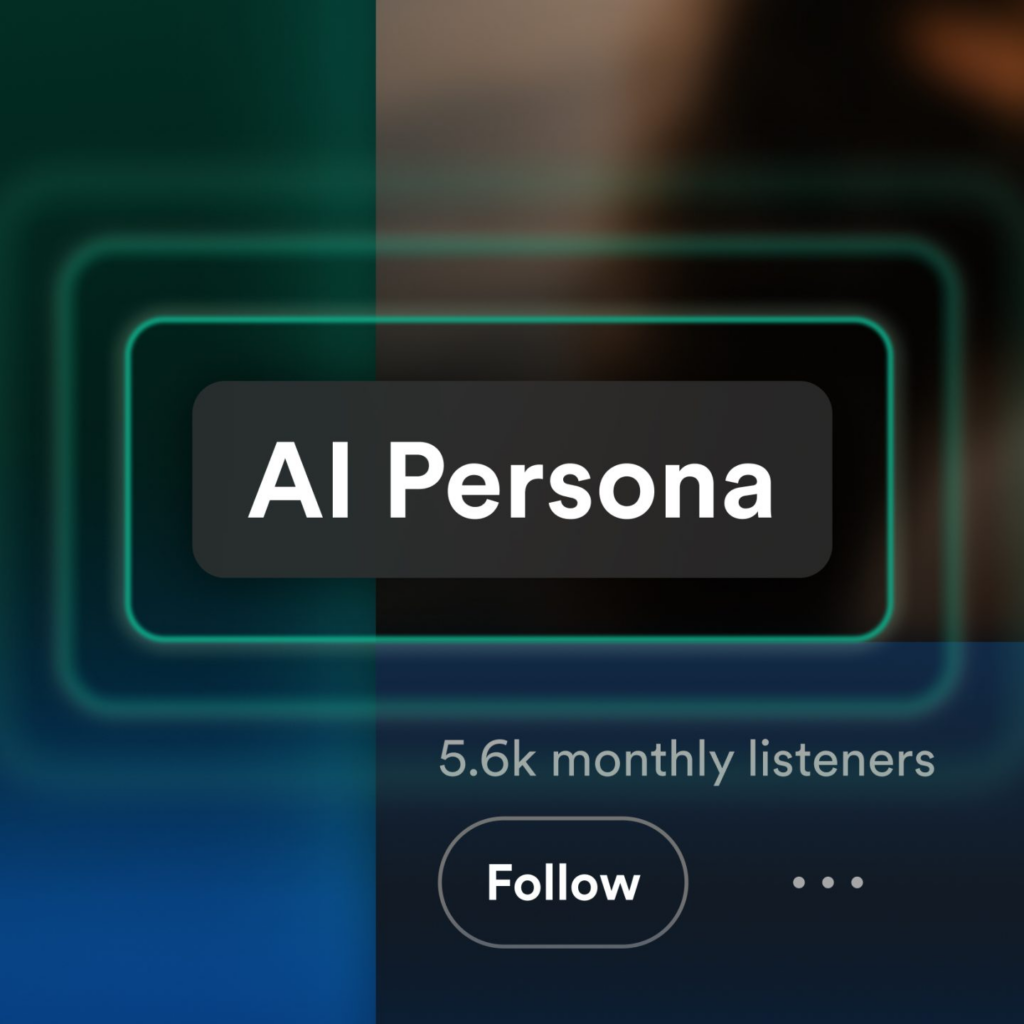
This isn’t Apple acting first. As TF reported in EU AI Act Enforcement Begins to Take Hold, Spotify blabellingeling AI-generated artist personas in August, cutting flagged profiles out of algorithmic recommendations by default. Tidal has introduced its own AI labels for tracks. Apple’s announcement follows the same industry pattern of streaming platforms responding to mounting pressure over AI-generated content flooding catalogues.
That pressure has real financial stakes attached. Record labels and the streaming services carrying catalogues have spent three years navigating tools like Suno and Udio, moving between litigation, licensing deals, and labelling requirements as the industry searches for a workable settlement. As TF reported in Suno Wants to Go Legit — With Watermarks for AI Music, even the AI music generators themselves are building disclosure tools, facing lawsuits and public pressure from the exact labels and distributors Apple’s new requirement targets.
TF Summary: What’s Next
Apple hasn’t named a specific launch month for the visible “Made With AI” labels, only confirming the rollout for “later this year.” No percentage threshold has been published defining what constitutes a “material portion” of AI-generated content. Labels and distributors are required, rather than invited, to submit AI Transparency Tags for any qualifying release delivered to Apple Music going forward.
MY FORECAST: Expect Apple to publish a clearer definition of “material portion” within months of the label’s actual on-screen debut, once the current ambiguity produces the inevitable disputes over who’s tagging and who isn’t. The real test won’t be Apple’s technical rollout — it’ll be enforcement. A mandatory tag with no verification mechanism behind it relies on labels reporting against their own commercial interest, and that’s the incentive structure that produced years of voluntary tagging nobody used. Watch whether Apple follows Spotify’s lead and attaches a consequence to the label — reduced playlist placement or algorithmic deprioritization — rather than treating disclosure as the finish line rather than the starting point.
Related Stories
- EU AI Act Enforcement Begins to Take Hold
- Suno Wants to Go Legit — With Watermarks for AI Music
- Users Rebel Against Labs’ AI Watermarking