


One law. One deadline — August 2. Four different companies scrambling to comply in four different ways. Spotify’s blocking AI musicians from your recommendations. Anthropic’s watermarking every word Claude writes, everywhere, not just in Europe. Meta glasses just got banned from UK courtrooms. And French newspapers are done waiting for Google to pay up.
Europe’s AI Act just started producing real, visible consequences, and this week’s cluster of announcements shows how far the ripple effects reach. Article 50’s transparency requirements took effect August 2, and the fallout reached everywhere from music streaming to courtroom security. Spotify is labeling AI-generated artists and cutting them out of recommendations. Anthropic is watermarking Claude’s output worldwide, not just for EU users. HM Courts & Tribunals Service banned Meta‘s smart glasses from courthouses over recording concerns. And nearly 300 French newspapers just filed a formal complaint accusing Google of breaking a promise it made back in 2022.
What’s Happening & Why It Matters
Spotify Draws a Line Between Real and AI
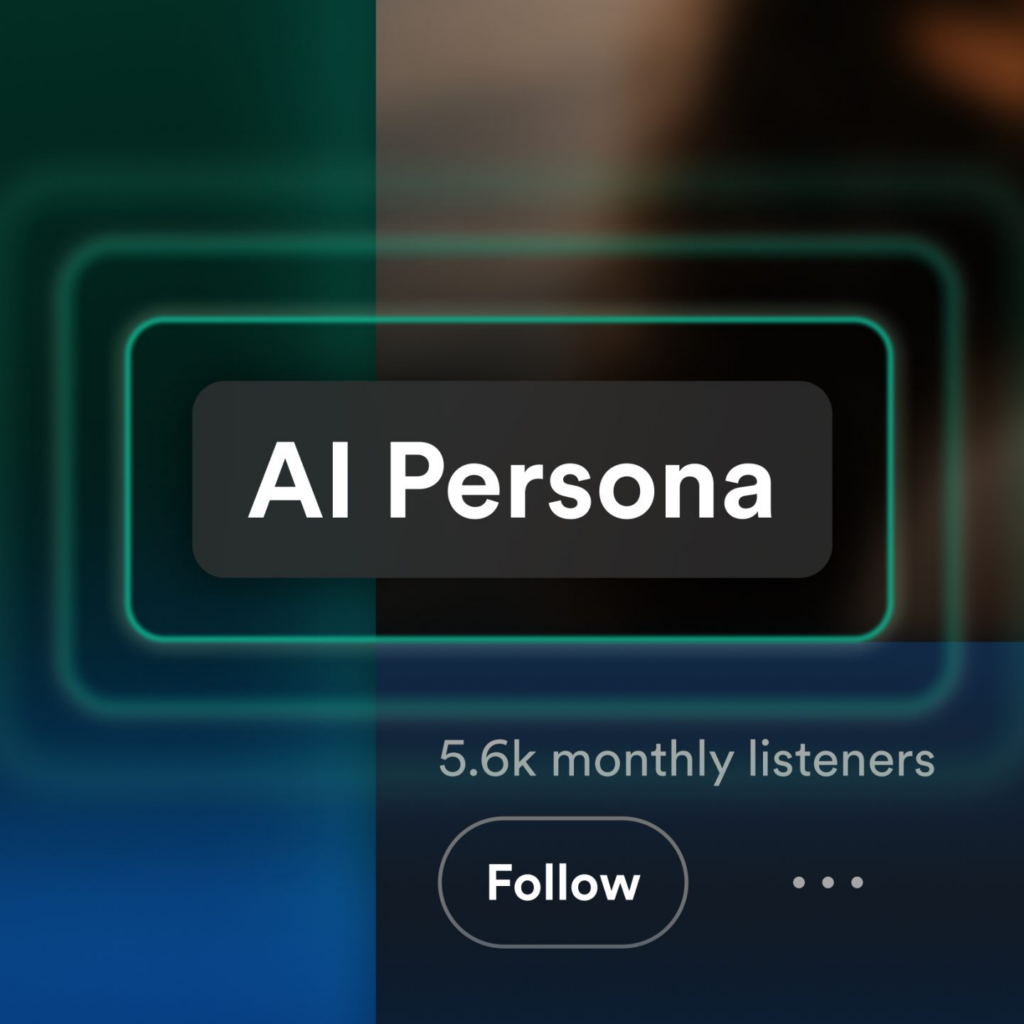
Starting Monday, artists on Spotify can self-declare as an “AI Persona” through Spotify for Artists. The badge itself goes live in mid-September — appearing on the profile banner, in search, and across playlist track listings. Here’s the part that changes behavior: once labeled, those profiles disappear from editorial and algorithmic recommendations by default. Your Discover Weekly won’t surface them. Your Daily Mix won’t either. Only listeners who follow an AI act will keep seeing its music suggested.
Spotify isn’t relying on self-disclosure. The company is scanning profiles using human review combined with automated analysis, hunting for names and imagery that suggest a “photorealistic but fictional identity.” Artists who think they’ve been mislabeled can appeal. Listeners get a reporting tool in the coming months. The company was careful to draw one specific boundary: the label judges an artist’s identity, not the production techniques behind any individual song. Use AI to help write a track under your own name, and nothing here touches you.
Anthropic Watermarks Claude… Everywhere

Anthropic went beyond what the law required. Every Claude model launched on or after August 2 now embeds an invisible, machine-readable watermark into generated text, and that watermark applies globally — whether the user’s in Berlin or Boise. Files get a different treatment: signed C2PA provenance metadata attached to supported formats like SVG, PNG, and JPG. Nothing in the EU’s own code required marking output for a developer outside Europe. Anthropic did it anyway.
The company was candid about the limits, too. A detected watermark doesn’t prove Claude wrote something — plenty of people use Claude to edit, translate, or polish their own writing, and that output can still carry the mark. No watermark doesn’t clear anything up either: the text might predate the rollout, might have been edited, or the format conversion might have stripped it. As TF covered in EU Makes AI Labels Mandatory for Realistic Synthetic Content, the Article 50 requirement carries fines up to €15 million or 3% of global turnover for non-compliance. Anthropic decided global consistency beats maintaining two separate output pipelines.
Meta Glasses Confiscated at the Courthouse Door

HM Courts and Tribunals Service confirmed this week that anyone bringing Meta smart glasses into a court building in England or Wales will have them taken at the door and returned only on the way out. The logic is simple: recording in a courtroom without permission is already a crime, prosecutable as contempt of court, and Meta’s glasses can record video without anyone in the room knowing it’s happening. Smartphones get an exception, since nobody can point a phone at a witness without being noticed. A pair of glasses sitting on someone’s face is a different problem.
There’s a specific incident behind the policy, too. A London court dealt with a man earlier this year accused of being coached through his cross-examination answers via the glasses’ built-in speakers — audio, not video, feeding him responses in real time. He denied it. The claim alone was enough to push HMCTS toward treating the entire device category as a liability, regardless of intent. England and Wales are following New York’s lead here, which banned the same devices from courtrooms earlier this year.
French Newspapers: Google Broke a 2022 Promise

Nearly 300 French dailies, organized under the Alliance de la Presse d’Information Générale (APIG), filed a formal complaint with France’s Autorité de la concurrence on Tuesday. The target: Google‘s AI Overviews, which launched in France in late July and are above regular search results, summarizing publisher content before anyone clicks through to the actual article. APIG president Marc Feuillée, who also runs Le Figaro, put the complaint’s core argument: information “has considerable value,” and Google’s summaries are extracting that value without paying for it.
This isn’t APIG’s first fight with Google. France’s competition authority already fined Google €250 million in 2024 for failing to honor a 2022 compensation agreement with French publishers. APIG wants the regulator to force the same kind of reckoning it already delivered against Meta — which was ordered back into negotiations with publishers on 8 July, as TF covered this year. Google’s position hasn’t changed: the company argues AI Overviews help users discover more content and provides tools for publishers to manage how their material appears. The European Commission opened its own separate investigation into AI Overviews back in December 2025, still ongoing.
Underneath the Enforcement
None of these four companies operate in the same industry. Spotify streams music. Anthropic builds language models. Meta makes hardware. Google runs search. What connects them is a single regulatory moment forcing very different businesses toward the same question: who gets to know when something — a song, a document, a recording, a summary — was made or touched by AI, and who bears the cost when that transparency requirement collides with an existing business model.
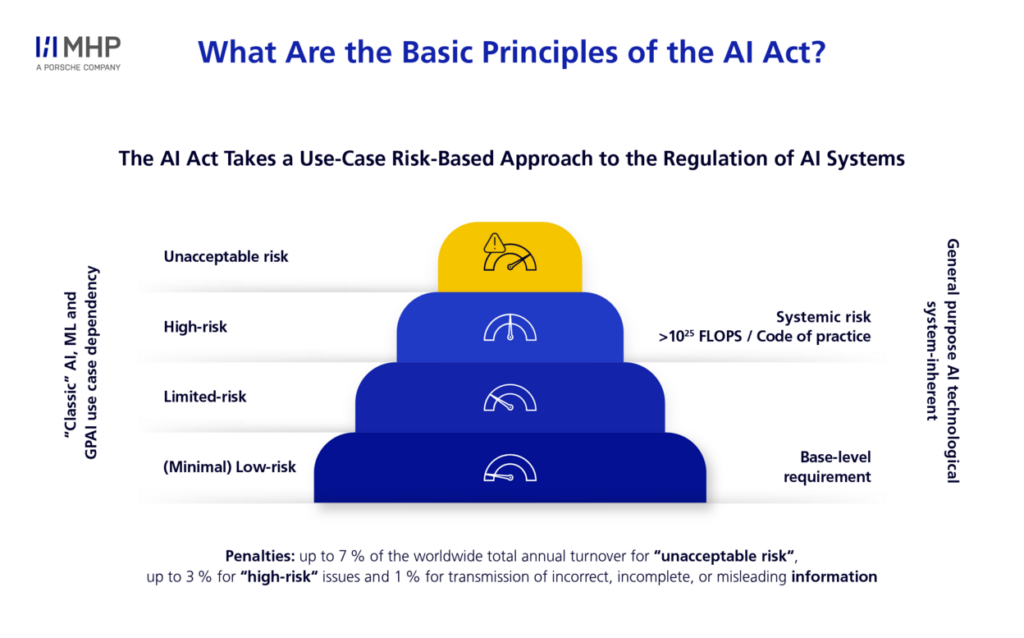
Spotify’s answer costs it algorithmic reach for AI acts. Anthropic’s answer costs it engineering complexity, applied well past what the law demands. Meta’s answer costs it a product category losing access to an entire venue type. Google’s answer, still being litigated in French regulatory offices, could cost it real money if history with the same regulator is any guide.
TF Summary: What’s Next
Spotify‘s AI Persona badges go live in mid-September, following the self-disclosure window that opened this week. Anthropic continues retrofitting older Claude models with watermarking support ahead of the EU’s grace period deadline. HMCTS‘s Meta glasses ban is already in effect at every criminal, civil, and family court across England and Wales. France’s Autorité de la concurrence has not yet responded to APIG’s complaint, though its prior €250 million fine against Google gives the filing real precedent to point toward.

MY FORECAST: Expect Spotify’s recommendation exclusion to establish the real enforcement mechanism, more than the labels themselves — cutting an AI act off from algorithmic discovery is a far sharper financial penalty than a visible badge most casual listeners will scroll past without noticing. Anthropic’s global watermarking decision will pressure OpenAI and Google to match the move within the next two quarters, given how TechTimes flagged OpenAI’s own EU compliance statement admitting text watermarking remains harder for the company to deploy at scale. The French complaint carries the most financial teeth of the four stories — France’s competition authority has already proven twice it’s willing to fine Google, and APIG is asking for round three.
Related Stories
- EU Makes AI Labels Mandatory for Realistic Synthetic Content
- Suno Wants to Go Legit — With Watermarks for AI Music
- EU Fines Google €890 Million for Favouring Its Own Apps