



One resident says the birds stopped singing outside her window. Another says her autistic son wakes up two to four nights a week. A judge sided with the neighbors, calling the noise a public nuisance the company never fully solved.
A Los Angeles County Superior Court judge issued a preliminary injunction Monday barring Waymo from operating two Santa Monica charging facilities overnight while the city’s public nuisance lawsuit against the company proceeds toward trial. Judge Bradley S. Phillips prohibited operations at the Broadway sites between 11pm and 6am, siding with residents who spent more than a year complaining about noise, bright lights, and traffic. “While the evidence shows that the parties have attempted to mitigate the noise, lights and traffic, it does not show that those efforts have been sufficiently successful to eliminate the public nuisance that is created,” Phillips wrote.
What’s Happening & Why It Matters
Complaints Convinced a Judge
Residents described the disruption in vivid, specific terms in their court filings. Neighbors compared the charging sites to “a mini-Las Vegas,” “living next door to a spaceship,” and “a city that never sleeps.” City filings noted vehicle sounds “echo off buildings along the alleys like a canyon,” compounded by workers talking late into the night. Paula Achter, a 69-year-old resident, said in a sworn declaration that she had to change both her sleeping habits and where she works inside her own apartment. “I used to hear birds singing in the morning from my apartment,” she wrote. “I’ve noticed I don’t hear them anymore.”
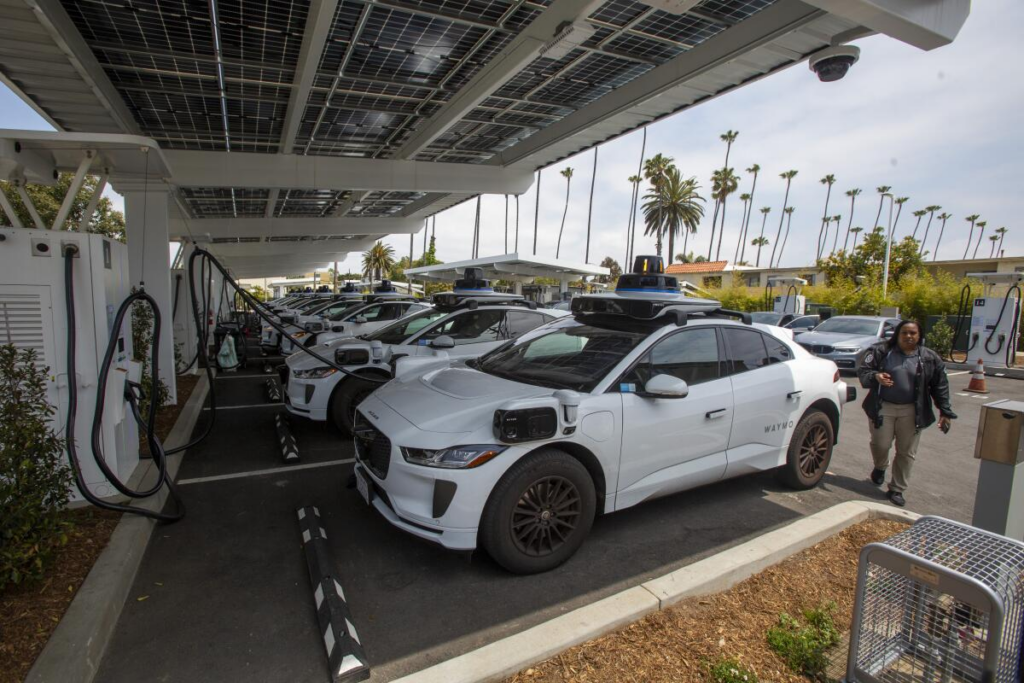
Another resident, Victoria Benchuk, said the overnight activity wakes her 5-year-old autistic son two to four nights a week. Phillips determined the harm to residents outweighed any harm to Waymo while the injunction is in place, a legal standard that required the city to show a reasonable probability of winning the case at trial.
Waymo’s Defence — and a Sabotage Counter-Claim
Waymo argued in court that the company had already taken meaningful steps to reduce the impact on nearby neighborhoods: lowering vehicle noise, turning off vehicle lights during overnight charging, and requesting additional curb access to cut traffic in nearby alleyways. A company spokesperson called the ruling disappointing, saying the order “may restrict our ability to provide visitors and residents with a safer, more accessible transportation option during some of the most dangerous hours of the day for road users.”
Waymo alleged that some individuals disrupted operations at the sites, honking vehicle horns, using smoke detectors to simulate vehicle noise, and blocking roadways near the charging lots. That allegation adds a unusual wrinkle to the dispute: a company arguing that at least part of the noise problem residents documented came from people trying to manufacture evidence against it, not from the charging operations themselves.
A Building Fight
The legal battle traces back to November 2025, when the Santa Monica City Council voted to direct Waymo, the property owner, and its lessees to stop overnight operations at the charging stations. Waymo refused to comply, arguing the city’s ordinance violated an existing agreement permitting overnight charging, and both sides filed dueling lawsuits against each other. The lots were charging 56 Waymo vehicles around the clock at the time complaints began.
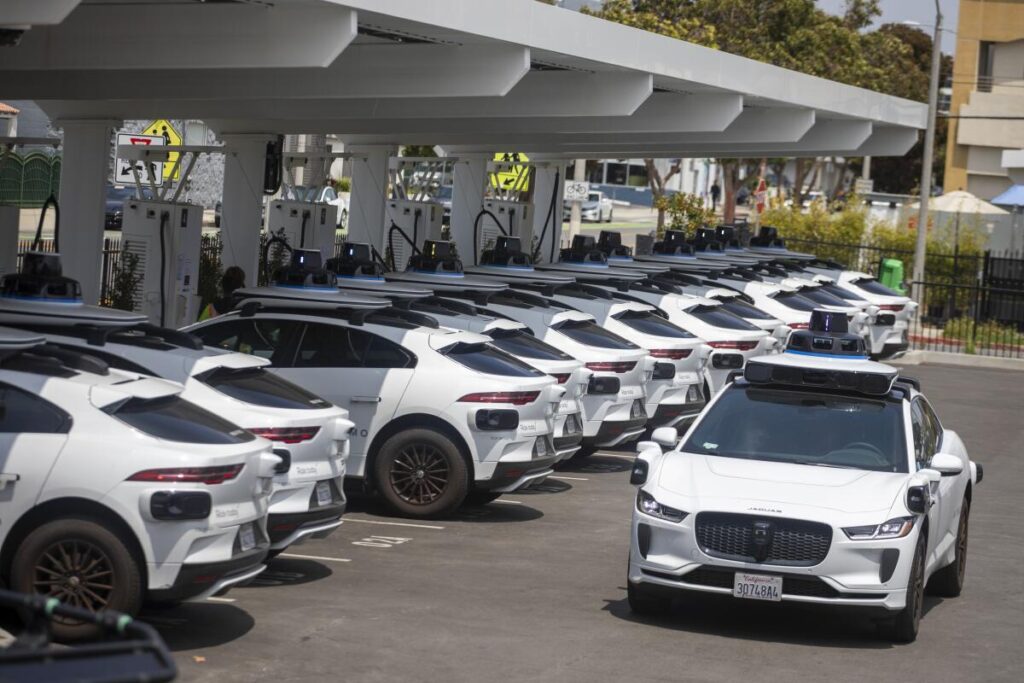
Mayor Caroline Torosis stated the city’s position: “Our residents’ ability to sleep peacefully in their own homes is not negotiable.” The injunction doesn’t shut Waymo out of the neighbourhood. Vehicles can still charge and receive service during daytime hours, and the order doesn’t prevent Waymo from offering overnight rides in Santa Monica, only from charging its fleet at those two specific locations after 11pm.
TF Summary: What’s Next
The court will review Waymo’s proposed mitigation measures on October 23, as the public nuisance lawsuit continues toward trial. The preliminary injunction is in effect throughout that period, meaning both Broadway sites stay closed overnight until a final ruling. Waymo hasn’t confirmed whether it will pursue alternative charging locations elsewhere in Santa Monica to offset the lost overnight capacity.
MY FORECAST: Expect Waymo to propose a relocated or redesigned charging solution before the October 23 hearing, given how the injunction threatens the company’s Santa Monica fleet economics if it drags into a lengthy trial. The sabotage allegation deserves scrutiny either way. If Waymo can substantiate deliberate noise manufacturing by residents, that evidence could shift the case’s trajectory before trial. If the company can’t back the claim with hard proof, expect the allegation to work against Waymo’s credibility with the same judge who already found the nuisance claim persuasive. Watch for other California cities with active robotaxi charging infrastructure to cite the ruling in their own zoning and noise ordinance discussions.
Related Stories
- Waymo Is Bringing Autonomous Rides to 4 New US Cities
- Waymo Recalls 3,871 Robotaxis — the Third Major Recall in 14 Months
- Tesla Robotaxis Are Now Live in Miami — Rain Is the Real Test