

The world’s first AI film festival in Spain launches today in Calvià. TF’s Nigel Dixon-Fyle is attending as VIP press — and this is his preview.
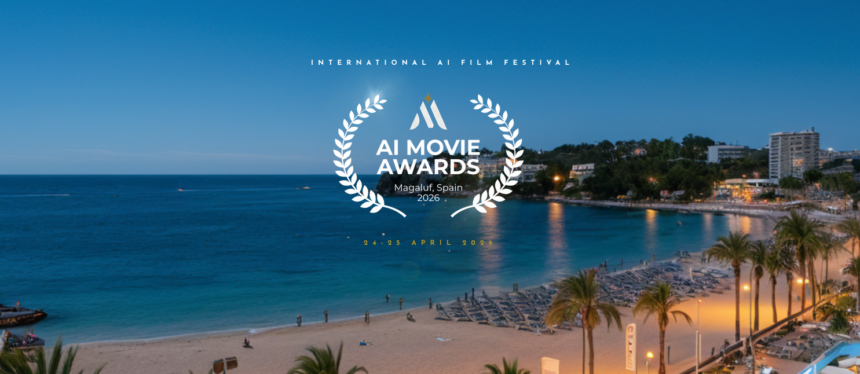
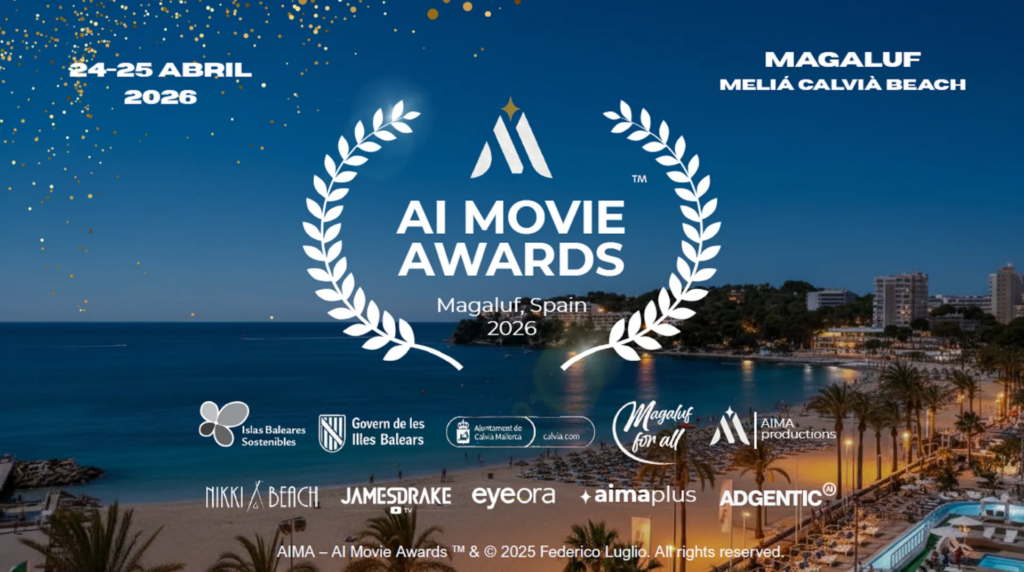
Something genuinely new is happening in Mallorca today. On 24–25 April 2026, the Meliá Calviá Beach hosts the inaugural edition of the AI Movie Awards — better known as AIMA. Furthermore, this is not just a film festival. It is the first AI film festival in Spain and one of the first in Europe. Additionally, it is happening right here on the island, supported by the Calvià municipality and financed through the Balearic Islands Government‘s Sustainable Tourism Tax.
AIMA is the creation of Federico Luglio — filmmaker, producer, and founder. Furthermore, I am proud to call Federico a friend. The festival he has built brings together AI filmmakers from the UK, Poland, Spain, France, Italy, Switzerland, Brazil, the United States, and beyond. I will be attending both days as a VIP guest, and a full TF follow-up report — with coverage of the panels, winners, and conversations — will follow. However, before the cameras roll and the trophies are handed out, here is everything you need to know about AIMA and why this festival matters.
What’s Happening & Why It Matters
What AIMA Is — and Why It Exists
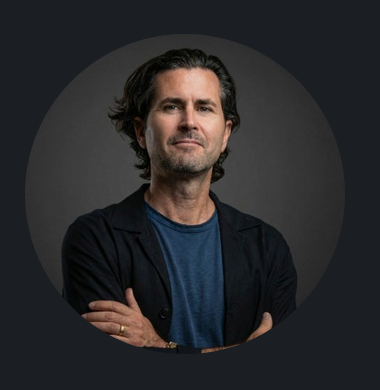
AIMA was founded on a clear conviction: AI does not replace human creativity — it expands it. Furthermore, Luglio has been explicit about the festival’s purpose from the start. “Artificial intelligence does not replace human creativity — it expands it,” he said at the announcement of the 2026 edition. “AIMA was born to create a serious platform where filmmakers, producers, technologists and institutions can explore how AI is reshaping audiovisual culture in a responsible, artistic and visionary way.”
Consequently, AIMA fills a real gap. AI filmmaking is growing fast. Tools that generate video from text prompts, synthesise music from descriptions, and animate characters from a single still image are accessible to anyone with a creative vision and a laptop. Furthermore, the community of filmmakers using these tools is expanding rapidly. However, there has been no serious festival in Spain — and very few in Europe — dedicated to showcasing what they are producing. AIMA addresses that directly.
The Submission Rules: Serious About AI
AIMA‘s submission rules are worth understanding. Furthermore, they reveal the festival’s editorial spine. All submitted films must be created primarily with AI tools. That includes AI-generated images, videos, animations, and sounds. Works that do not use AI as a central creative element are disqualified. Additionally, small portions of post-production using conventional tools — such as After Effects, Premiere, and similar — are acceptable, as long as most of the creative process involves AI.
Scripts can be written with or without AI assistance. Furthermore, the festival accepts both approaches. Films must run between 2 and 30 minutes and must be completed in 2026. Additionally, all non-English films require English subtitles. Submissions were accepted through the festival’s own site, FilmFreeway, and FestHome, with entry fees varying by category.
The Award Categories: Open to Specific
AIMA recognises a wide range of creative achievements. Furthermore, the categories reflect both conventional filmmaking standards and the specific dimensions of AI-generated work. Winners receive an official AIMA trophy and certificate. Furthermore, the Best AI Short Film winner receives an additional special prize — a full day hosted at Nikki Beach Mallorca, one of the island’s signature lifestyle venues.
The award categories span the full range of storytelling and genre. They include Best Short Film, Best Soundtrack, Best Audience Award, Best Documentary, Best Sci-Fi, Best Thriller, Best Drama, Best Fantasy, and Best Music Video. Furthermore, special recognition awards include the Best Future Vision Award, Best Human Spirit Award, Best Planet Consciousness Award, Best AI Cultural Heritage Award, and Best AI Diversity & Inclusion Award. Consequently, AIMA is judging films on the full spectrum of artistic quality — not just technical novelty.
The Jury: Hollywood Meets AI
The jury Luglio has assembled is genuinely impressive. Furthermore, it combines deep Hollywood production experience with AI-native creative voices.
Tommy Harper (USA) is a producer whose credits include Top Gun: Maverick, Mission: Impossible, Star Wars: The Force Awakens, and the Netflix series Wednesday. Furthermore, Harper brings the perspective of someone who has operated at the highest levels of commercial cinema. Fab Morvan (France) is an artist, producer, and two-time Grammy-nominated member of Milli Vanilli. Fab is also a personal friend, and his presence on the jury signals AIMA‘s commitment to music, performance, and the emotional core of storytelling. Jeffrey Perlman is a branding strategist whose clients include Zumba and Mindvalley — and he is also a personal friend attending the festival. Jeffrey brings a sharp commercial intelligence to how AI-driven stories connect with audiences at scale.
Additionally, Mike Day (UK) is CEO of Palma Pictures and producer of The Crown, The Night Manager, and The Mallorca Files. Mike Ho (USA) directs music videos for artists including JLo, Bad Bunny, Shakira, and Christina Aguilera. Furthermore, Felipe Galvão (Brazil) is an AI animator and winner of the Grand Prix at Cannes Lions 2025. Zack London, known as the Gossip Goblin, is one of the most-followed AI filmmakers online. Additionally, Khulan Davaajav brings the perspective of the growing AI content creator community. Consequently, the jury spans production, music, branding, direction, and digital culture — exactly the mix AIMA needs to judge this new form of filmmaking credibly.
The Two-Day Programme
Day One — Friday, 24 April, begins with registration and a welcome reception at 15:00. Furthermore, Luglio and producer Pedro Barbadillo deliver the official opening keynote at 15:30, alongside representatives from local authorities. From 16:00, the first panel — AI & The Future of Cinema — features Mike Day and Jeffrey Perlman in conversation about how generative AI is reshaping storytelling and production. Additionally, finalist international short films begin screening from 16:30, continuing the showcase of AI-integrated workflows from filmmakers across Europe and beyond.
A networking coffee break follows at 17:00. The evening culminates with the VIP Exclusive Networking Cocktail at Nikki Beach at 17:00, reserved for VIP guests. Consequently, Day One blends the intellectual and the social — exactly how a festival should begin.
Day Two — Saturday, 25 April, continues the programme with more screenings, workshops, and industry conversations. Furthermore, the day concludes with the Exclusive Sunset Cruise at 19:30 — a VIP-only experience that closes the festival in the spirit of Mallorca itself. Consequently, both days are designed to give attendees not just access to the films and conversations, but to each other.
The Context: AI Film Is Here
AIMA is not arriving in a vacuum. Furthermore, AI filmmaking has grown dramatically in the past two years. Tools like Runway, Sora, Kling, Pika, and others allow individual creators to produce short films that would have required production teams, VFX budgets, and weeks of post-production just two years ago. Consequently, the barrier between having a vision and executing it has collapsed for anyone willing to learn the tools.
Additionally, the film industry is actively debating how AI intersects with copyright, authorship, and the economic rights of human creators. AIMA‘s existence — and the serious jury it has assembled — positions the festival to contribute meaningfully to that debate. Furthermore, Luglio’s vantage on AI as an expansion rather than a replacement is thoughtful. AIMA is not celebrating the end of traditional filmmaking. It is celebrating a new language emerging alongside it.
The festival also carries a community dimension. Furthermore, AIMA is part of a sustainable tourism awareness campaign for the Magaluf area — promoting responsible behaviour among tourists and residents under the slogan “Magaluf for All.” Consequently, culture and community are woven directly into the festival’s institutional DNA.
TF Summary: What’s Next
AIMA runs Friday and Saturday — 24 and 25 April 2026 — at the Meliá South Beach in Mallorca. Furthermore, TF will be there as VIP press for both days. Consequently, we will publish a full follow-up report covering the panels, winners across all categories, and conversations at the intersection of AI, cinema, and culture. Look for that piece next week.
MY FORECAST: Furthermore, if AIMA establishes itself as a serious annual event — and based on its jury, its programme, and the community it has already attracted, there is every reason to believe it will — this inaugural Mallorca edition will be remembered as where it all started. Additionally, for the AI filmmaking community worldwide, a credible European festival with genuine Hollywood industry credibility changes the conversation. It signals that AI cinema is not a novelty. It is a movement. Moreover, for Mallorca, hosting that movement first is a cultural and creative opportunity the island should be proud of. Federico and his team have built something real here. TF will be watching — and reporting.