


One Nigerian artist is using AI to save memory before history slips through another set of fingers.
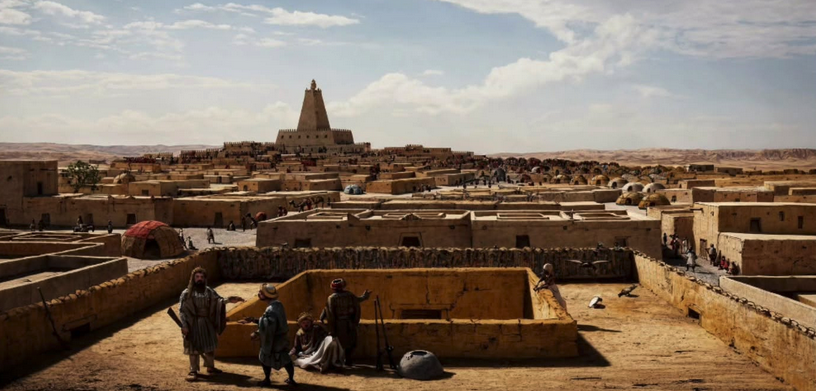
A lot of AI projects chase speed, scale, and fancy demos. LegacyLink is chasing something older and harder to recover: memory. Nigerian artist and filmmaker Malik Afegbua is using AI, interviews, 3D scans, and digital storytelling to preserve elders’ lives and to rebuild lost African heritage sites, including the walls of the historic city of Benin in present-day Nigeria.
That makes this project stand out. It is not trying to replace culture with AI. It is trying to stop culture from vanishing before the next generation can hear it, see it, or ask questions. In a tech cycle full of noise, that feels refreshingly human.
What’s Happening & Why This Matters
LegacyLink Wants Elders to “Live Forever” in Digital Form
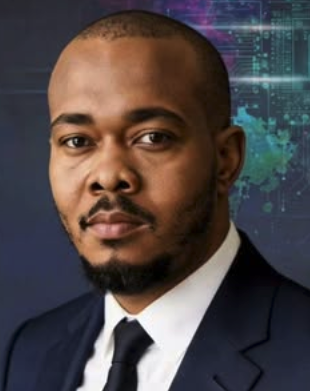
Afegbua launched LegacyLink to preserve the lives, voices, and memories of elders across Africa. He has been interviewing older people, recording their stories, capturing video, and making 3D scans of family heirlooms such as masks and drums. He then plans to use that material to create digital twins of the elders. These digital versions would appear as holographic displays in public places such as airports, where people could ask questions and receive AI-generated answers built from the original interviews.
Afegbua explained the emotional force behind the idea with painful clarity. He said, “I don’t know what my great-grandfather looks like. I don’t have stories about him.” He added, “There is no data, there is no library.” Those lines resonated because they establish cultural loss as both personal and structural. When stories are not recorded, they not only fade. They disappear.
That is why LegacyLink matters. It deems oral history as infrastructure. LegacyLink surmises memory deserves tools, storage, and access. It challenges a familiar digital bias. Most tech products preserve what is recent and available. LegacyLink tries to preserve what is old, fragile, and easy to lose.
The Project Is Still Early, but the Scale Goal Is Serious
LegacyLink is not yet a giant archive. It is still in an early phase. Afegbua says he has interviewed 15 people in Nigeria so far. He has 30 more interviews planned and wants to expand into Kenya and Cameroon. His stated goal is to interview 1,000 people by 2028.
The timeline is ambitious without pretending the work is finished. Too many AI projects present a flashy prototype and imply the hard part is over. Here, the hard part is clearly the work itself: meeting elders, earning trust, recording their memories, preserving nuance, and building something respectful from that material.
Language adds another layer. Afegbua says he wants the final project available in as many languages as possible. Yet he notes he relies on human translators because “AI does not understand certain languages, or what certain nuances might mean.” The admission gives the project credibility. It accepts a truth many AI evangelists skip. The model is not the memory. The model is only a tool for the memory.
Some elders were hesitant at first. In one group in Ikorodu, Lagos State, people told Afegbua that their ancestors had said never to share these stories. He responded with a slideshow explaining the concept. He said that after seeing it, “they were excited, they were intrigued, they want to learn.” That detail matters because the project is not only technical. It is relational. Heritage work without consent quickly becomes extraction in nicer clothes.
Afegbua Is Also Rebuilding Lost African Places, Not Only Preserving People
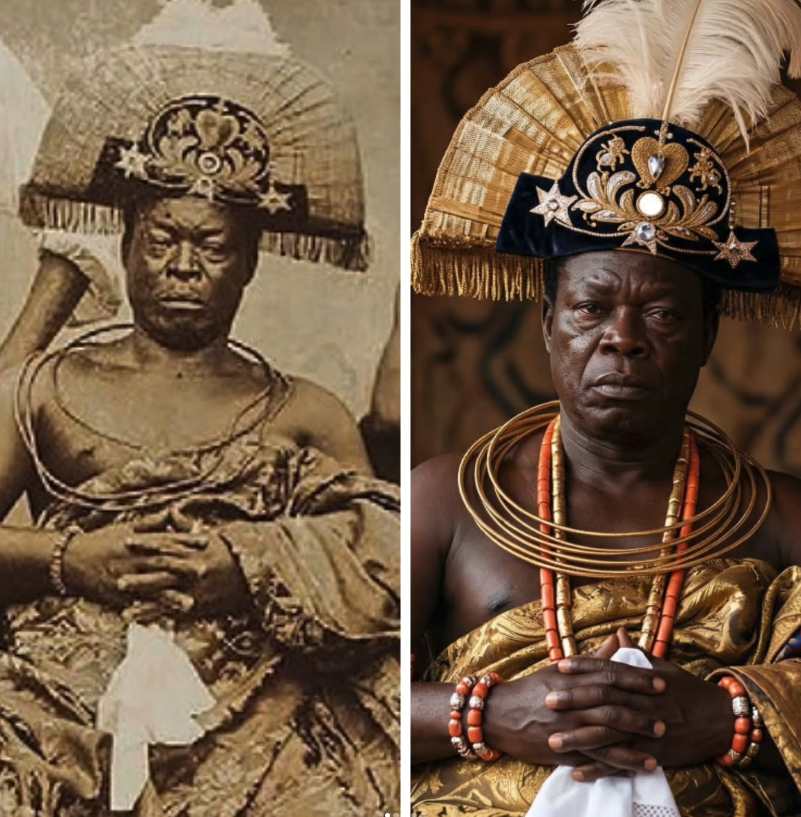
LegacyLink focuses on living memory. Afegbua’s broader work also aims to restore places that history damaged, erased, or made harder to reach. He is building a visual project called ReMemory. ReMemory uses AI to recreate lost, destroyed, or no longer accessible African heritage sites. He bases the recreations on historical records and academic studies. Once complete, users will be able to explore the results on a phone, on a computer, or through virtual reality.
That is where the West African kingdom angle is especially powerful. Afegbua says he first plans to reconstruct the walls of the historical city of Benin. The earthworks were built between the 7th and 14th centuries. They reached 59 ft (18 m) high and ran for more than 746 miles (1,200 km) around the city. Some sections still stand, but much of the structure has fallen into disrepair.
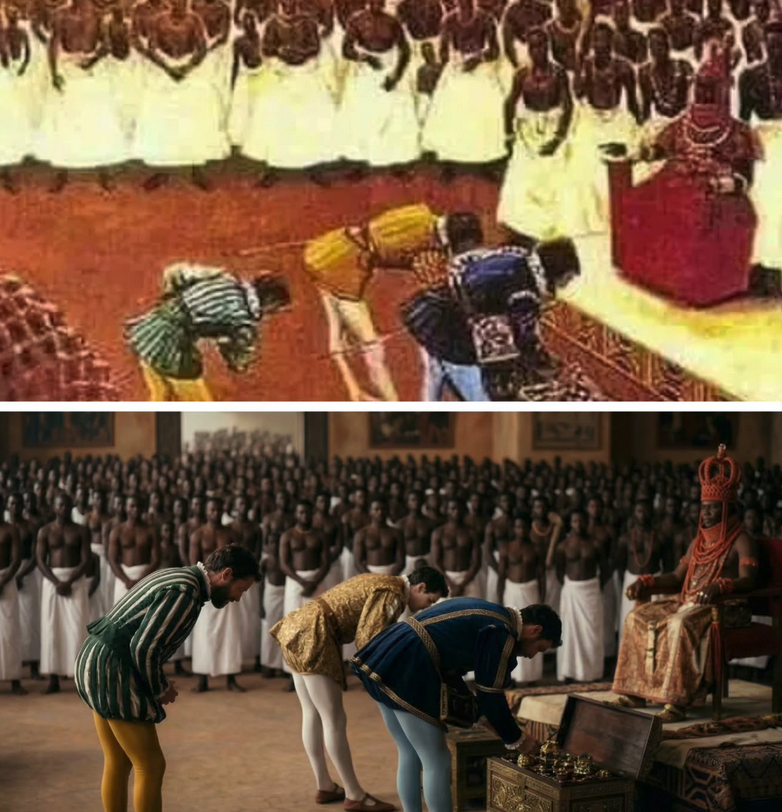
The walls of Benin are not a random ruin. They are part of one of West Africa’s great historical civilizations. Rebuilding them digitally is not only a design exercise. It is a cultural intervention. It gives people a way to encounter a major African achievement that many education systems still understate or ignore.
Afegbua is honest about the limits, too. He says there are diagrams and descriptions, but gaps remain in the historical record, so he is trying to get “as close as I can.” That humility is important. Reconstruction should not pretend certainty where evidence does not exist.
This Is One of the Better Uses of AI Because It Serves Memory, Not Hype
A lot of AI work now falls into three tired buckets: automate the task, imitate the artist, or flood the feed. LegacyLink points somewhere else. It uses AI to help structure stories, generate transcripts, expand memories into written narratives, and make preserved knowledge more accessible. Afegbua says he introduced elders to large language models so they could understand how AI might help with storytelling, memory recall, and structuring ideas. He also showed how AI could work with photos, videos, and audio from their phones.
That is a more mature use of the technology. The AI is not the star. The people are.
The project also shows real sensitivity around trauma. Afegbua says he had to handle subjects such as the Nigerian Civil War, which ran from 1967 to 1970, carefully. He said many people did not want to discuss it, and added, “The trauma is still very present. We never push.” The work is not trying to strip-mine painful memories for content.

There is also a bigger cultural argument here. When Afegbua says he wants to use AI to “restore languages, artifacts, symbols … so you could actually experience it,” he is making a case for technology as cultural repair, not only cultural disruption. That does not solve every problem. Digital heritage can still flatten nuance if done badly. It can still privilege spectacle over context. But compared with much of the AI market, this project at least starts with a worthy question: what deserves to be saved before it disappears?
TF Summary: What’s Next
LegacyLink and ReMemory show a more grounded path for AI. Malik Afegbua is using interviews, scans, translation support, and generative tools to preserve elders’ memories and rebuild lost African heritage sites. He has interviewed 15 people, plans 30 more, and wants to reach 1,000 by 2028. He also aims to digitally reconstruct the historic walls of Benin, which once stretched more than 746 miles (1,200 km) and reached 59 ft (18 m) high.
MY FORECAST: Projects like this are more important as societies realize that AI is not only a generator of new content. It can also become a rescue tool for endangered memory. The best cultural AI work will not try to flatten heritage into chatbot trivia. It will preserve voices, protect context, and make history easier to enter without pretending the machine knows everything. LegacyLink feels closer to that future than most AI projects on the market today.
— Text-to-Speech (TTS) provided by gspeech | TechFyle