


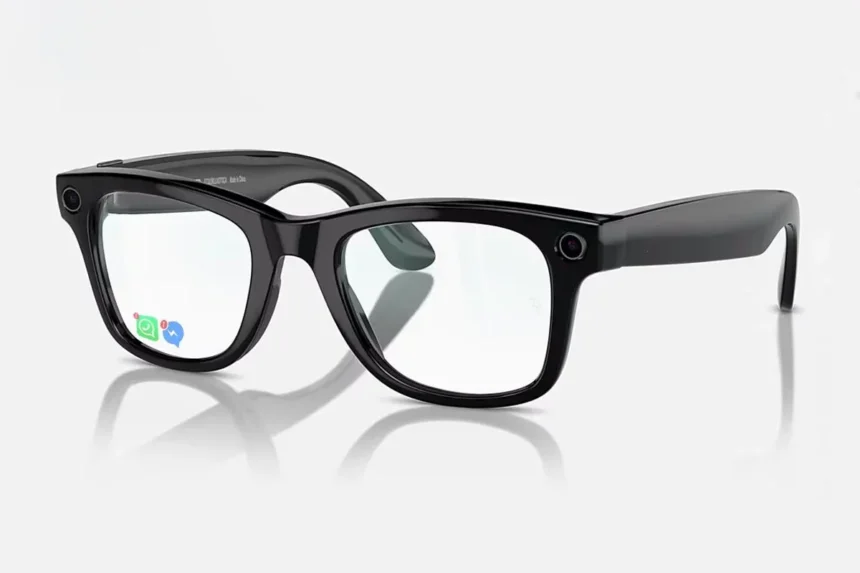
Smart Glasses Sell Freedom. Lawsuits Sell Receipts.
Smart glasses promise a sci-fi upgrade: hands-free photos, voice assistants, quick answers while you walk, cook, shop, or travel. Usage is effortless. The privacy reality is far heavier.
A new lawsuit targets Meta over alleged privacy abuses tied to its AI-enabled smart glasses. The case follows reports that workers at a Kenya-based subcontractor reviewed customer-captured footage that includes intensely sensitive moments, from nudity and bathroom use to bank card details and private chats.
The claim is “human review happened while marketing promised the opposite.” Plaintiffs argue Meta’s slogans — phrases like “designed for privacy, controlled by you” — create confidence that private moments stay private. The lawsuit says Meta didn’t make the tradeoffs clear enough, and that users didn’t meaningfully consent to overseas human review of intimate footage.
Meta says it filters data to protect privacy and sometimes uses contractors to review content shared with Meta AI to improve user experience. The debate turns into a familiar tech drama: convenience versus consent, and a very expensive argument over who gets to look inside your life.
What’s Happening & Why This Matters
A Lawsuit Claims Privacy Marketing Crosses the Line
The suit, filed in the U.S. by plaintiffs from California and New Jersey and represented by Clarkson Law Firm, accuses Meta of false advertising and privacy-law violations tied to its AI smart glasses. The complaint names Luxottica of America, connected to Ray-Ban’s parent group, over alleged conduct that conflicts with consumer protection laws.

At the centre is messaging. The lawsuit argues that a reasonable buyer would interpret “designed for privacy, controlled by you” as meaning that private footage from inside a home won’t be viewed or catalogued by human workers overseas. That argument lands because it focuses on expectation, not engineering. Most consumers do not parse policy pages. They parse slogans.
Meta’s terms, however, include references to human review. A version of the policy says Meta may review interactions with AIs, including conversation content, through automated or manual human review. The dispute is a classic mismatch: marketing creates certainty, policies add caveats, users miss the caveats, and courts end up with the cleanup job.
Workers Report Reviewing Extremely Sensitive Footage
Swedish media reports describe subcontractor workers reviewing footage captured through the smart glasses, including content involving nudity, sex, bathroom use, bank card information, and private messages. Workers reportedly describe the scope in blunt terms. One quoted worker says: “We see everything — from living rooms to naked bodies.”
That quote hurts because it strips away the polished demo vibe and replaces it with reality. The camera points wherever the wearer points their head. A user can record accidentally. A bystander can get recorded without knowing. The glasses can capture a bank card at checkout or pick up a private conversation in a kitchen.
Meta says faces are generally blurred, yet sources speaking to Swedish media argue that the blurring does not work consistently. In a privacy case, “usually” is not comforting. A single failure can be enough.
Meta Says Contractors Review Shared Content to Improve the Product
Meta’s defence leans on a common industry posture: content review supports product improvement.
The company says that when people share content with Meta AI, it sometimes uses contractors to review data to improve the experience, and that it takes steps to filter that data to protect privacy and prevent the review of identifying information. Meta’s statement frames the glasses as a hands-free way to ask questions about the world around you, and it positions review as part of improving AI responses rather than voyeurism.
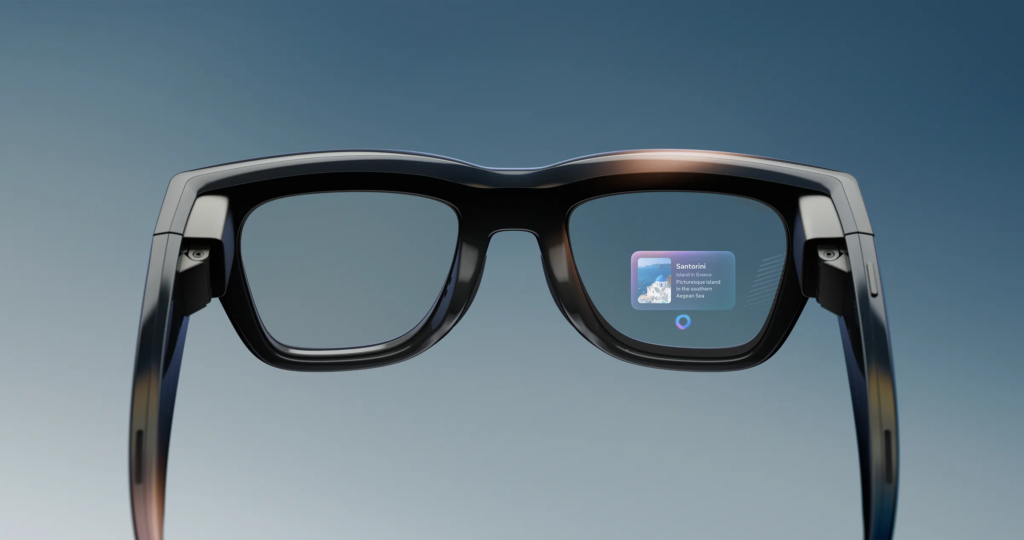
The distinction users will care about is the clarity of consent. “Shared with Meta AI” can mean many things in daily life. Users may not understand what triggers upload, processing, transcription, or review, especially when multiple settings and policies apply.
Meta’s wearables policy says photos and videos go to Meta when cloud processing is enabled, when users interact with Meta AI on the glasses, or when media uploads occur to Meta services like Facebook or Instagram. The same policy says that livestream video and audio are sent to Meta, along with transcripts and voice recordings created by the chatbot.
That architecture is not inherently evil. It is inherently sensitive. A wearable camera turns “data” into “moments.” A platform review pipeline turns “moments” into “work items.”
The UK Watchdog Steps In, and Global Regulation Looms
The Information Commissioner’s Office, the UK’s data watchdog, has decided to investigate the reported worker review practices. Regulatory interest matters because wearables magnify privacy harm in ways phones do not. A phone camera usually requires deliberate action. Glasses can record casually and continuously, and bystanders often miss the signal.
Meta smart glasses show a red light when recording video or taking a photo, yet critics argue people may not notice it or understand what it indicates. That turns consent into a design problem. If the indicator fails to communicate, recording can occur without meaningful awareness. A privacy policy cannot fix a weak signal light in a crowded street.
European regulators tend to treat biometric and wearable surveillance with extra scepticism. If regulators interpret the products as “luxury surveillance” rather than consumer convenience, approvals and deployments will face heavier friction.
The Outsourcing Layer Adds Another Trust Gap
The subcontractor named in the report is Sama, a Nairobi-based data annotation company whose staff label and quality-check images to train AI systems. Sama says it does not comment on specific client relationships and that it complies with GDPR and CCPA standards through audited policies, secure facilities, and training.
Even if every policy is followed perfectly, outsourcing adds distance. Distance adds suspicion. The moment a user hears “overseas contractors reviewed private footage,” trust drops fast, regardless of how the review pipeline works.
That is a structural challenge for AI. Training and quality control rely on humans. Humans need jobs. Jobs need workflows. Workflows need access to data. Each step increases risk. Platforms can reduce risk through minimisation, filtering, and strict access controls, yet the pipeline still exists.
Smart Glasses: The Edge of Consent
Smart glasses are at a moral crossroads: they capture the wearer’s life and everyone else’s life around the wearer.
That creates two privacy categories at once. The wearer takes the product home and accepts the terms. The bystander in the café does not. If bystanders can’t reliably detect recording, the product edges toward ambient surveillance.
Meta’s statements stress privacy steps, but the lawsuit narrative notes user expectations. If marketing claims “controlled by you,” users will assume a high degree of control over who can view captured content. If policies allow manual review, plaintiffs will argue the control is incomplete or unclear.
The legal battle will likely turn on disclosures, design signals, and the quality of consent.
Impact: Wearables Need Trust
Meta is not selling smart glasses as a niche toy. The company is building a long-term platform for AI assistants and camera-based computing. Any major privacy controversy threatens adoption, partnerships, and regulatory latitude.
This case is in a cultural moment. Consumers are already tense about data brokers, surveillance advertising, and “AI trained on everything.” A wearable camera tied to an AI system feels like the most invasive version of that trend, even if the product is genuinely useful.
Competitors are watching too. The smart glasses category will either normalise quickly or stall under legal and regulatory pressure. Trust will determine which path wins.
TF Summary: What’s Next
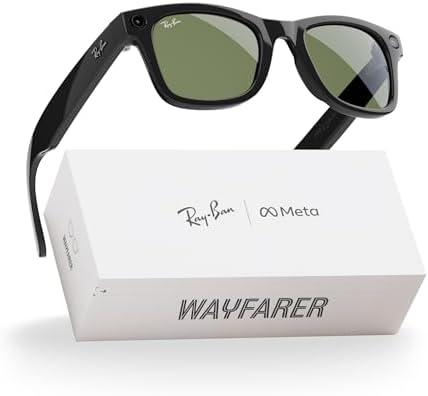
Meta faces a U.S. lawsuit and UK regulatory scrutiny after reporting describes subcontractor workers reviewing sensitive Ray-Ban Meta footage, including content involving nudity, bathroom use, bank details, and private conversations. Meta says it sometimes uses contractors to review content shared with Meta AI to improve user experience and says it filters data to protect privacy, while policies disclose that manual review can occur in some cases.
MY FORECAST: Wearables will force a privacy reset. Courts and regulators will go for clearer disclosures, stronger default protections, tighter data minimisation, and more obvious recording signals. Meta will likely tighten tooling and transparency to avoid harsher restrictions because smart glasses cannot scale without trust. The bigger shift will hit the entire category: “AI with camera” will face consumer expectations that sound simple yet are brutal to satisfy — no surprises, no vague language, and no hidden humans.
— Text-to-Speech (TTS) provided by gspeech | TechFyle