


Did pressure from the U.S. Department of War cause Anthropic to bypass its ethos?
For years, Anthropic sold itself as the grown-up in the AI room — the company that would build powerful systems without losing its ethical compass. The compass is spinning toward Washington. Under pressure from the U.S. defence establishment, the firm is loosening safeguards that once drew a bright red line around military use.
This moment matters because it exposes a hard truth: ideals travel light, but defence contracts travel with trucks, lawyers, and very persuasive urgency. The shift suggests that even the most cautious AI developers cannot stay neutral once governments decide artificial intelligence is strategic infrastructure rather than a research project.
The question is not whether AI should touch warfare. It asks who controls it when it does.
What’s Happening & Why This Matters
A Safety Company Meets Realpolitik
Anthropic built its reputation on restraint. Its public messaging stressed responsible deployment, careful testing, and limits on dangerous applications. That posture won praise from academics and regulators who feared a reckless AI arms race.
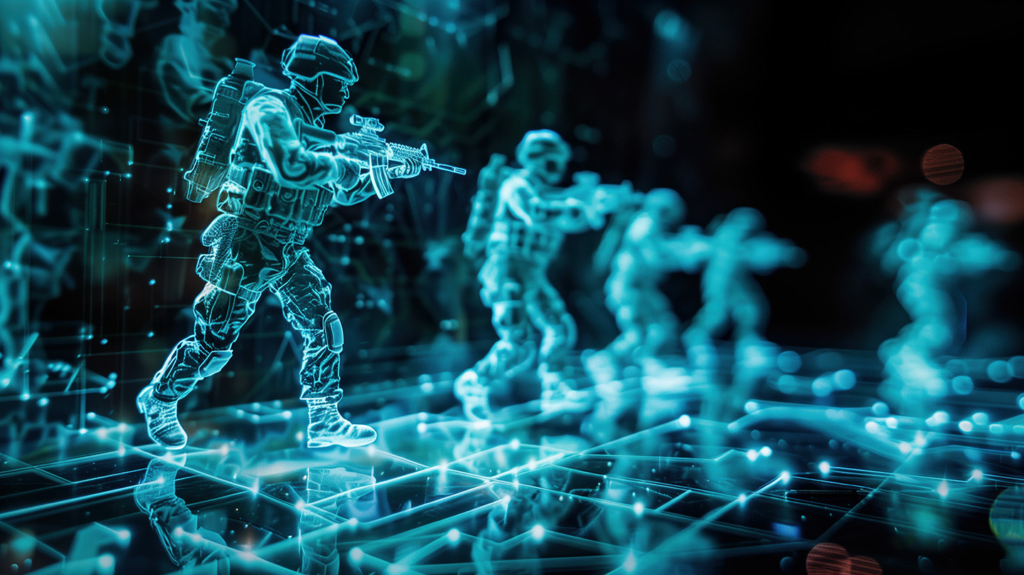
Then reality knocked. Defence officials said that advanced AI systems are central to intelligence, logistics, cybersecurity, and battlefield planning. In other words, abstaining would not stop militarisation — it would simply hand advantage to competitors.
Reports indicate the company revised internal policies to allow broader collaboration with security agencies. Officials argue the work focuses on defensive or support roles rather than lethal decision-making. Critics respond that modern warfare blurs those boundaries until they disappear entirely.
A former national security official put it bluntly in public commentary: “If democratic countries refuse to build these tools, authoritarian ones will.” That argument is the gravitational force pulling reluctant tech firms into military partnerships.
The Pentagon’s Patience Runs Thin
The U.S. Department of War (formerly named the Department of Defense) has grown increasingly direct about its expectations. Officials warn that technological superiority no longer arrives automatically. It must be engineered — and fast.
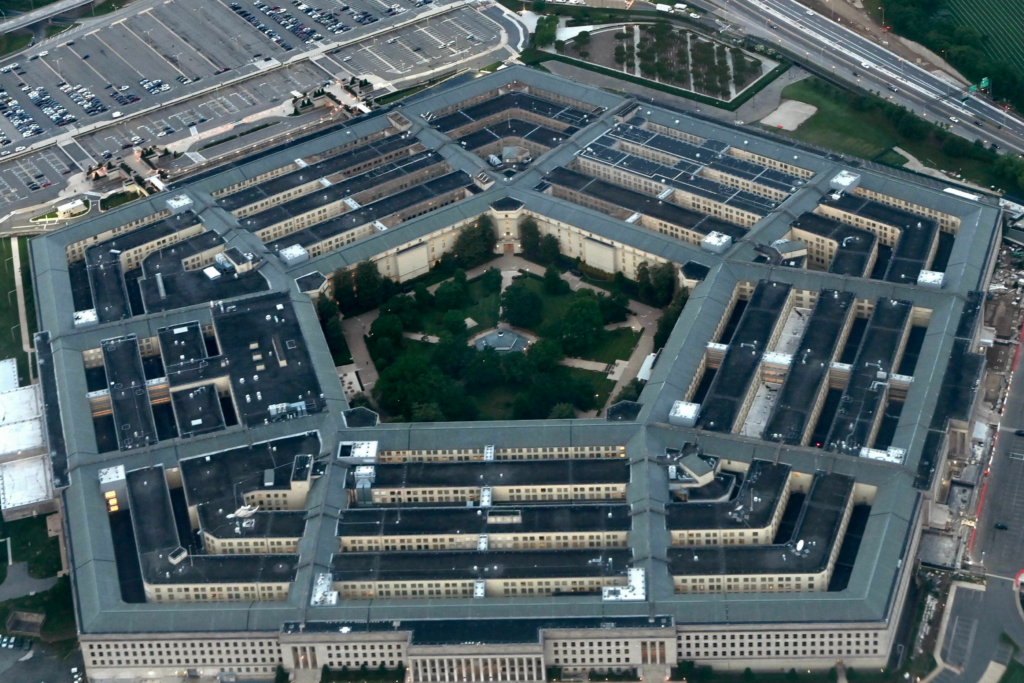
Defence leaders view AI not as a future weapon but as a current necessity. Systems that study satellite imagery, detect cyber threats, coordinate supply chains, or simulate conflict scenarios already influence outcomes. From this perspective, refusing collaboration looks less like principled caution and more like strategic negligence.
According to security insiders, companies unwilling to engage risk exclusion from future government work across sectors, not just military contracts. That pressure carries enormous financial and reputational weight.
Anthropic, therefore, faces a choice familiar to many tech firms: remain morally pristine but geopolitically irrelevant, or participate and attempt to steer outcomes from inside the machine.
From Guardrails to Negotiated Boundaries
The company insists it has not abandoned safety principles. Instead, it frames the shift as controlled engagement — developing systems under strict guidelines rather than leaving the field open to less cautious actors.

Supporters say the course recognises reality. AI will shape defence whether companies participate or not. Responsible developers, they argue, should influence how it happens.
Opponents hear a different message: a gradual erosion of red lines once considered non-negotiable. They worry that “defensive use” today is “operational support” tomorrow, and something more autonomous the day after.
Ethicists note that technological capability tends to outrun policy. Once a tool exists, incentives push toward broader application. History offers many examples of innovations designed for limited purposes that later became central to warfare.
The Competitive Pressure No One Can Ignore
Another factor looms large: global competition. China, Russia, and other powers actively pursue AI for military and intelligence operations. U.S. officials argue that restraint by Western companies does not slow these efforts; it simply shifts the balance.
Industry leaders increasingly echo this view. They warn that refusing defence collaboration could produce a paradox in which democratic societies depend on technology developed elsewhere, under fewer ethical constraints.
Strategic anxiety transforms corporate decisions into national security questions. It also complicates public narratives that once framed AI safety as a purely technical or philosophical issue.
The uncomfortable truth is that AI accompanies nuclear technology, cyber capabilities, and space systems as a domain of power politics.
A Reputation at Risk
Anthropic’s pivot carries reputational consequences. The company attracted talent and goodwill precisely because it appeared willing to draw firm boundaries. Some employees reportedly joined to work on socially beneficial applications rather than military ones.
Critics fear a talent backlash if staff feel the mission has changed. Trust, once shaken, rarely returns to its original shape. Consumers and regulators may also examine future claims about safety commitments.
At the same time, refusing engagement carries its own reputational risk among policymakers who prioritise national security. In Washington’s calculus, reliability matters more than idealism.
The result is a tightrope walk where every step satisfies one audience while alarming another.
TF Summary: What’s Next
Anthropic’s decision signals a broader shift across the AI industry. The era when companies could treat military applications as hypothetical has ended. Governments treat artificial intelligence as essential infrastructure, and vendors must decide whether to participate or step aside.
Future debates will likely focus less on whether AI should support security and more on how far that support goes. Expect intense examination of autonomy, accountability, and safeguards — especially as enhanced capabilities outpace regulation.
MY FORECAST: Within a few years, nearly every major AI developer will maintain some level of security cooperation, publicly framed as protective rather than offensive. The real competition will shift to who controls the standards, not who refuses to participate. The companies that claim moral high ground while quietly adapting will dominate the narrative — and the contracts.