


Netflix users started to notice a change in its operations recently. Casting from a phone to a TV stopped working. No error message or polite explanation. One day the Cast button sat where it always sat. The next day, it vanished. The change felt abrupt, but Netflix planned it. Netflix updated its support rules and restricted casting for most devices. The decision revived old controversies regarding control, access, and the way streaming platforms direct daily habits.
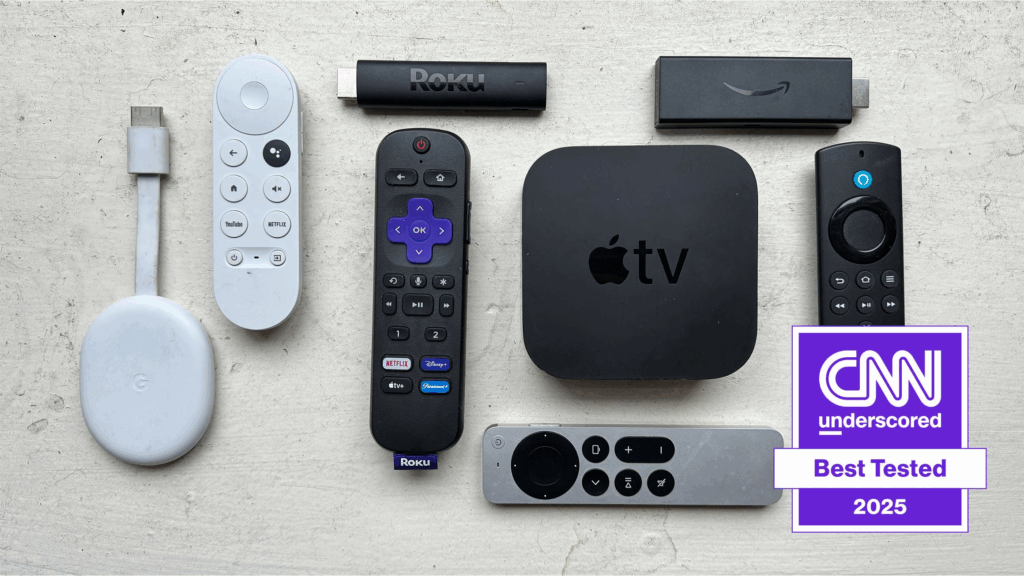
Netflix once embraced casting. The feature bridged phones and early smart TVs that shipped with limited apps. The rise of full Google TV, Android TV, Apple TV, Rokus, and modern TV interfaces altered Netflix’s perspective. Netflix wants viewers to use native TV apps rather than casting.
What’s Happening & Why This Matters
Netflix Restricts Casting Support
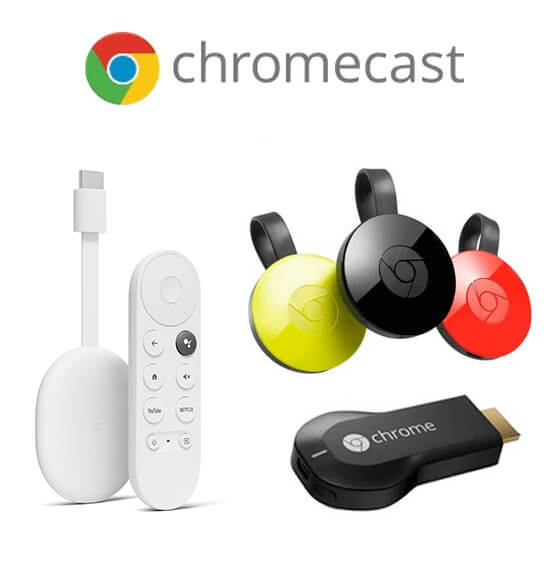
Netflix now supports casting only in narrow scenarios. Users must subscribe to an ad-free plan. Anyone on Netflix’s ad-supported tier loses casting entirely. Even with the premium plan, casting works only for older devices without remotes. Older Chromecast models from 2013 to 2018 still support casting. Newer Chromecast devices with remotes block casting. So do most modern smart TVs.
Netflix confirms the restrictions on its updated support pages. The streamer states that casting exists only for devices that lack full Netflix interfaces. In practice, Netflix wants viewers to open the app on the TV instead of sending video from a phone.
Why Netflix, Why?
Netflix enforces strict rules against location hopping and account sharing. Casting once offered a loophole. A user could open Netflix on a phone in one home, then cast to a TV in another. Netflix sees this as a problem. The company locked down AirPlay in 2019 for similar reasons. The new Cast restrictions are in the same vein. The choice creates friction for users but aligns with Netflix’s control-oriented strategy.
Developers tracking this change point out its pattern. Netflix tightens external playback paths. The goal centers on authentication. Netflix wants every viewing session to validate user identity inside the native app.
Impact on Viewers
The change frustrates casual watchers who cast daily. Users with older Chromecasts enjoy functionality, while everyone else loses it. Many users now pay more yet experience less convenience. The restriction slams travelers, college students, and anyone with inconsistent access to TV logins.
Industry analysts argue that Netflix calculates these trade-offs with intention. Native apps gather more engagement data. Native apps allow tighter enforcement of content rules. Native apps offer Netflix a direct relationship with viewers.
TF Summary: What’s Next
Netflix’s casting restrictions modify user behavior. Viewers adapt by relying on TV apps. Older Chromecast devices act as relics that deliver features newer devices block. Netflix sets a tone that other streaming giants may echo.
MY FORECAST: Streaming platforms push deeper device control next year. Netflix expands restrictions. Competitors mirror Netflix’s behavior. TVs and streaming boxes become the center of content access. Users meet greater authentication friction as streaming services validate monetization paths.
— Text-to-Speech (TTS) provided by gspeech