


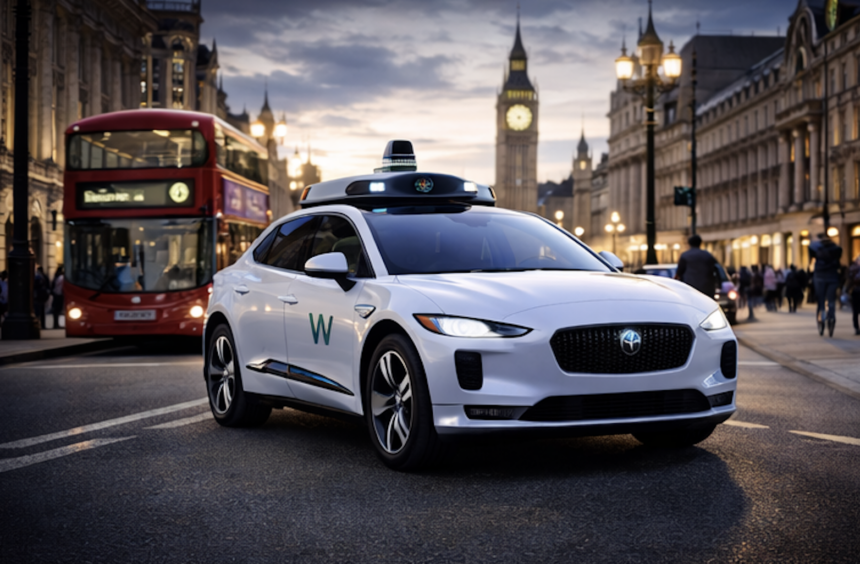
Driverless rides move from experiment to city streets as the U.K. opens the door to autonomous transport.
London is the next significant testing ground for robotaxis. Waymo, the self-driving unit of Alphabet, plans to launch autonomous ride services in the U.K. capital in fall 2026.
This moment matters because London is not an easy city for cars to navigate. Streets run narrow. Traffic runs dense. Pedestrians move fast. Weather changes hourly. If robotaxis can work here, they can work almost anywhere.
The U.K. government also wants this. Officials see autonomous vehicles as a new economic engine. They want innovation, jobs, and safer roads. That combination creates the perfect runway for Waymo’s London robotaxi launch.
Robotaxis no longer sit in the “someday” category. They enter the “soon” category. And London now joins the front line.
What’s Happening & Why This Matters
Waymo says that it wants its London service ready by fall 2026. The robotaxi company showcased autonomous vehicle capabilities while the U.K. speeds up regulatory approval for driverless taxis.
This launch connects three forces:
- Waymo’s self-driving technology leadership
- The U.K.’s push for an autonomous transport policy
- Rising demand for safer, cleaner urban mobility
London becomes the next major global city where robotaxis stop being a demo and start becoming infrastructure.
Waymo Brings Robotaxis to Europe’s Biggest Urban Stage
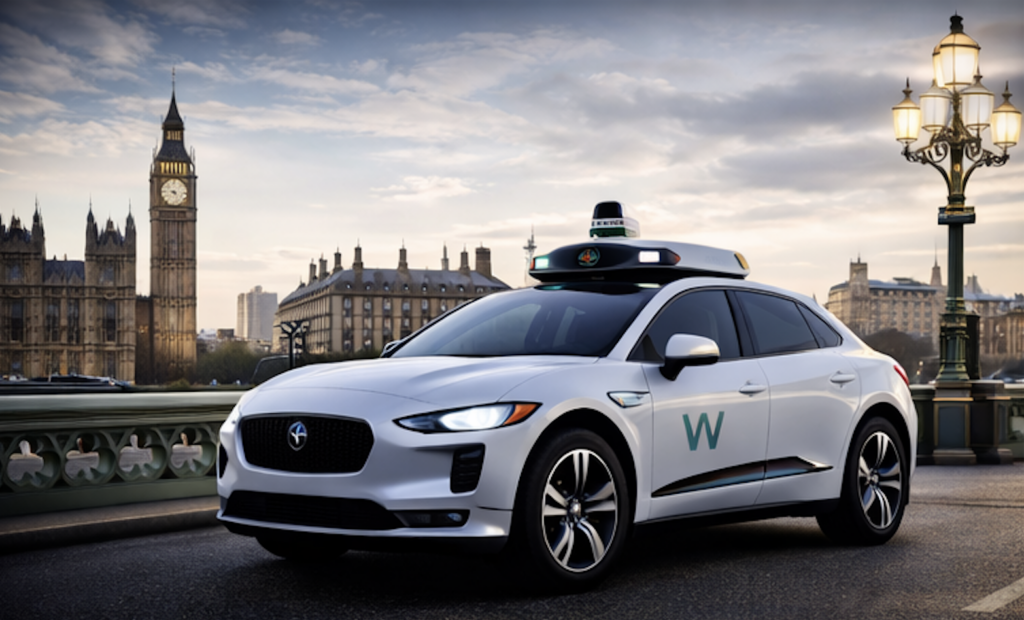
Waymo already operates commercial robotaxi services in U.S. cities like Phoenix and San Francisco. The company now sets its sights on Europe, starting with London.
This is more than an expansion. It is an escalation. London offers one of the most demanding real-world driving environments:
- Complex intersections
- Unpredictable cyclists
- Heavy pedestrian flow
- Historic road layouts
Waymo wants to prove that autonomy works beyond wide American roads.
A Waymo spokesperson frames the mission clearly: “We’re building the world’s most trusted driver.” That trust now faces one of the toughest cities on Earth.
The U.K. Fast-Tracks Driverless Taxi Regulation
The timing is not random. The U.K. government is preparing new rules that allow commercial driverless taxi services as early as 2026.
Officials want autonomous mobility to be an economic pillar. The U.K. Department for Transport states that automation can “improve road safety, reduce human error, and unlock innovation across transport.”
Regulation determines whether robotaxis stay stuck in pilot mode or reach scale. London becomes a regulatory signal to the rest of Europe.
Robotaxis Shift From Novelty to Public Transport Layer
Robotaxis now compete with:
- Ride-hailing platforms
- Public transit gaps
- Personal car ownership
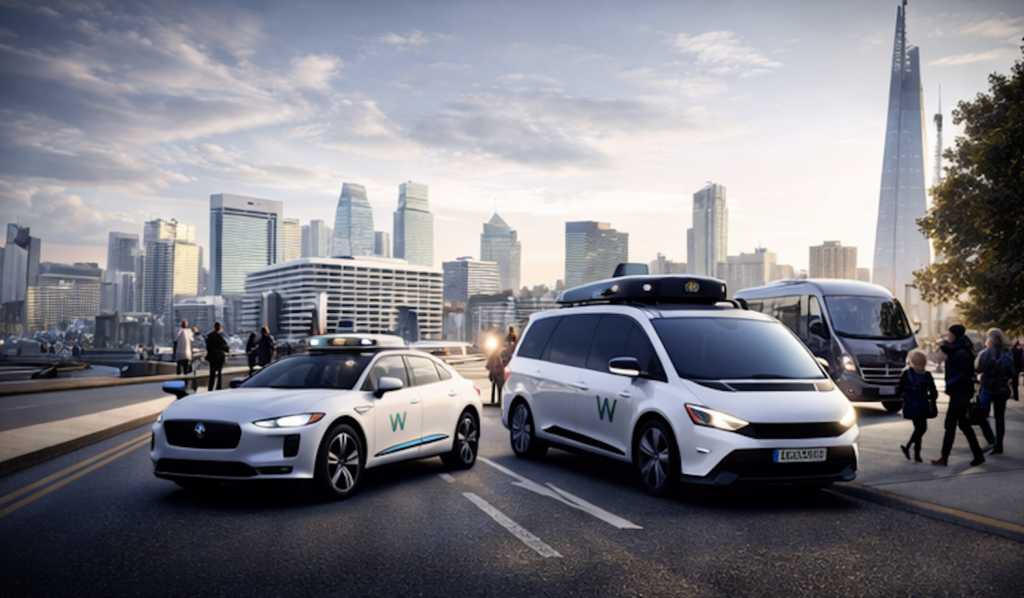
Waymo positions autonomous taxis as a new layer of city mobility. Users summon rides without drivers. Cars operate continuously. Fleet management replaces human labor.
Changes cost models. It changes city planning and how people think about movement. The big story is not the car. The big story is the system.
Autonomous fleets create a new form of urban infrastructure, like digital buses that never stop running.
Safety and Trust Stay the Central Question
Robotaxis always trigger the same human instinct: “Do I trust this thing?” Waymo knows this. Safety remains the core selling point.
The company notes:
- Redundant sensors
- Continuous mapping
- AI decision systems trained on millions of miles
- Remote oversight tools
Waymo also publishes safety reports, trying to treat autonomy like aviation: measured, regulated, repeatable. The World Health Organization reports that road crashes kill over a million people yearly. Autonomous systems promise reduction, but only if they earn trust.
London will test that trust in real time.
London’s Streets Create the Ultimate Stress Test
London is a strange beast. It combines medieval street geometry with modern traffic volume. Robotaxis must handle:
- Double-decker buses
- Tourist jaywalkers
- Construction reroutes
- Rain-slick roads
- Roundabouts that confuse even locals
If autonomy survives London, autonomy survives anywhere. That is why this launch becomes symbolic.
Waymo does not just want customers. It wants proof.
Competition Heats Up Across Global Robotaxi Markets
Waymo is not alone. Other autonomous players include:
- Cruise (GM-backed)
- Baidu Apollo Go in China
- Tesla pursues FSD ambitions
- European AV startups racing toward niche deployments
London is a notable prize. It is one of the world’s most visible cities. A successful robotaxi rollout here creates global momentum.
It also pressures other governments to decide: embrace autonomy or fall behind.
Economic Stakes Run High
Autonomous transport is not innovation alone. It is economics. Robotaxis touch:
- Jobs in the driving industries
- City congestion policy
- EV adoption
- Data ownership
- AI regulation
The U.K. hopes that autonomy will spur domestic growth. Waymo predicts London proves global scalability. Analysts at McKinsey estimate that autonomous mobility is a trillion-dollar industry, over time.
London is one chessboard square in that much larger game.
What Riders Can Expect First
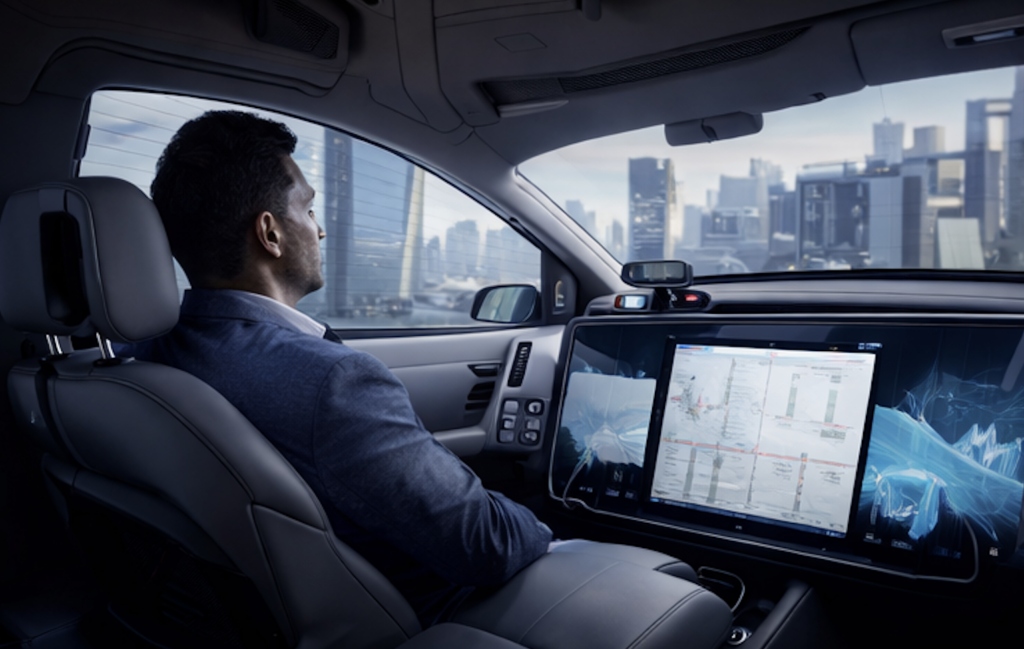
Waymo’s early London rollout likely starts small:
- Limited service zones
- Safety driver oversight phases
- Partnership with local transport agencies
- Gradual scaling after performance validation
This is how autonomy always enters: carefully, then quickly. Public reaction will shape speed. Media attention will shape politics. Performance will shape everything.
TF Summary: What’s Next
Waymo’s plan to launch a London robotaxi service in fall 2026 is a prominent milestone for autonomous transport in Europe. London offers one of the world’s most challenging driving environments, and the U.K.’s regulatory momentum creates a clear path for commercial service.
MY FORECAST: London becomes the proving ground for autonomy. If Waymo succeeds, Europe will uplift robotaxi adoption. If it fails, regulation slows across the continent.
— Text-to-Speech (TTS) provided by gspeech | TechFyle