


South Korea Targets Rising AI-Deception
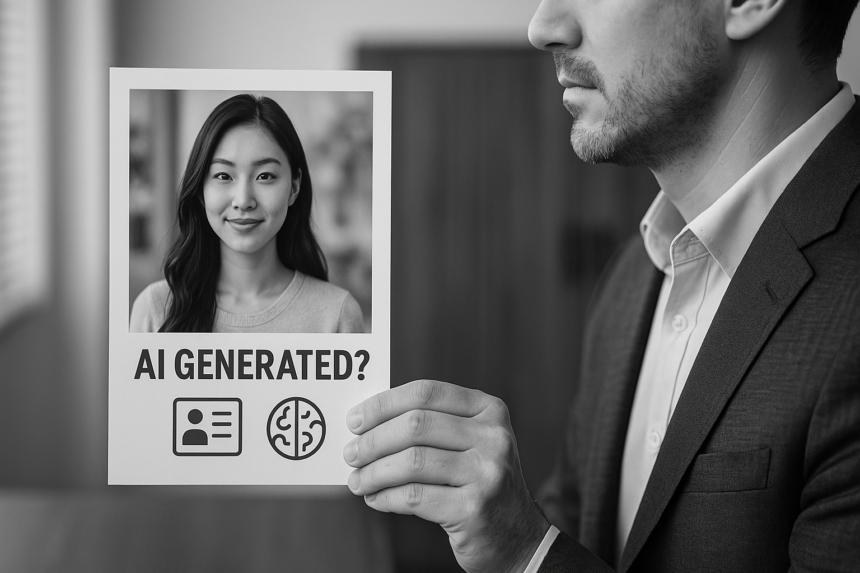
South Korea steps into the AI era with a sharp message for advertisers: label your AI-generated ads or face new penalties. The push arrives as deepfake endorsements, fabricated experts, and manipulated celebrity promos surge across platforms like YouTube, Facebook, and other social networks. These ads often target vulnerable groups, mislead consumers, and distort trust in digital content. Seoul now wants clarity, transparency, and accountability before the chaos expands.
The government frames this move not as an anti-AI stance, but as a pro-truth effort. Officials argue that AI-driven deception harms public trust and disrupts fair competition. The new rules promise more transparent digital spaces, faster removals, and stricter penalties for misleading ads—especially as AI tools become cheaper, stronger, and harder to detect.
What’s Happening & Why This Matters

South Korea introduces a plan requiring AI-generated ads to carry mandatory labels starting early 2026, according to officials at the Office for Government Policy Coordination. The rule covers anyone who creates, edits, or posts AI-made visuals, videos, or imagery. Platforms must ensure that labels remain intact and that users cannot remove or obscure them.
Lee Dong-hoon, the director overseeing economic and financial policy, explains the urgency: “These ads disrupt the market order. Swift action is essential.
Government agencies report a dramatic rise in misleading ads. The Food and Drug Safety Ministry identified more than 96,700 illegal ads in 2024, So far, more than 68,950 are flagged this year through September. The cases span food, pharmaceuticals, cosmetics, gambling services, and private education — categories vulnerable to manipulative storytelling and fabricated experts.
Regulators to Act
Many of the misleading ads feature AI-generated experts endorsing weight-loss pills, cosmetic products, or even illegal services. Deepfake celebrity appearances amplify the problem, making fake endorsements feel authentic to ordinary users. Older adults are especially impacted. Many struggle to identify whether a video or photo was AI-generated, which increases exposure to scams.
The government also cites AI-related sexual exploitation cases as a parallel threat. In one high-profile example, a Seoul court issued a life sentence to a man who used deepfake imagery to manipulate and blackmail more than 200 minors. AI misuse clearly stretches beyond advertising, but deceptive ads remain one of the fastest-growing risks.
Fines, Removals, and New Enforcement Tools
South Korea plans to amend the Telecommunications Act and related laws to enforce labelling requirements and expand monitoring powers. Regulators want:
- Mandatory labels for AI-generated content.
- Platform accountability for ensuring advertiser compliance.
- Punitive penalties up to five times the damages for those knowingly spreading AI-driven deception.
- 24-hour review windows for harmful ads.
- Emergency takedown tools to block ads before reviews finish.
The Korea Consumer Agency and Food and Drug Safety Ministry will receive upgraded AI tools of their own to detect harmful content. Yes—AI will help police AI.
South Korea’s AI Innovation
South Korea does not intend to slow AI progress. Prime Minister Kim Min-seok stresses the importance of minimising AI’s harms while expanding national innovation. He emphasises the need to balance safety and growth: “We must minimise the side effects of new technologies as we enter the AI era”.
The government continues to invest heavily in AI-specific chips, semiconductor research, and new manufacturing hubs outside Seoul. Nation-leading chipmakers like Samsung Electronics and SK Hynix already hold more than 65% of the global memory chip market. Seoul sees AI-labelled ads not as a technological limit, but as a safety feature in a rapidly accelerating digital world.
TF Summary: What’s Next
South Korea may establish the tone for digital transparency. Mandatory labels on AI-generated ads offer a proactive stance and clear accountability standards. In 2026, advertisers across online platforms face stricter rules, consumer watchdogs gain stronger tools, and the public gets clearer signals of what is real and what was machine-made.
MY FORECAST: Regulators in the EU, UK, US, and Japan follow South Korea’s lead. Platforms assume AI-labelling as the default policy. Major advertisers shift toward transparent disclosures to avoid brand damage. Deepfake detection is a standard tool built into every social and video platform.
— Text-to-Speech (TTS) provided by gspeech