


The Filing and the Branding Indicate A Deployment Soon
The Starlink network grew immensely in 2025… and another growth spurt is on the way. SpaceX quietly filed a trademark for “Starlink Mobile”, and the filing kicked off new speculation about the next major product push. The filing came as Starlink rolled out early cellular-to-satellite service in Canada and tested device connectivity across rural regions. The trademark filing created momentum and questions about timing, hardware, pricing, and global availability.
Starlink’s filings sat inside a long trail of documents about antennas, mobile integrations, and direct-to-device service. The brand application is straightforward in intent. It added pressure on carriers that watched satellite operators race toward hybrid cellular networks powered by low-Earth-orbit infrastructure.
Watchers study the implications, because the naming alone suggested a commercial product at hand.
What’s Happening & Why This Matters
SpaceX registered “Starlink Mobile” with the U.S. Patent and Trademark Office. The filing covered communications hardware, mobile data services, and direct satellite connectivity for consumer devices. The language referenced smartphones, tablets, and mobile terminals. It outlined a service category that connects everyday devices to Starlink satellites without the need for dishes or specialised equipment.
Starlink expanded its direct-to-device work at the same time. The Canada launch activated early text service and integration via the Starlink app, which now handles mobile connectivity modes. The support pages described satellite fallback in areas where carriers lacked reach. The branding matched the features. The trademark suggested a plan for consumer marketing, subscription tiers, and hardware partnerships.
Carrier and Regulatory Obstacles
Telecom providers tracked these filings with urgency. Satellite-to-phone service disrupted roaming fees, rural coverage agreements, and emergency networks. Starlink’s constellation created non-terrestrial mobile networks that bypassed traditional infrastructure. Regulatory groups monitored those plans because cross-border satellite signals brought up spectrum questions and prompted interference reviews.
SpaceX explicitly stated that its work remained within 3GPP NTN standards. Competitors, including AST SpaceMobile, Lynk Global, and regional carriers, monitored Starlink’s pace, especially as the company moved closer to full mobile broadband through LEO satellites. The trademark raised expectations about a global product launch.
A U.S. telecom analyst put it simply: “A service name means a commercial plan. Naming is not accidental in this category.”
Demand and Product Timing
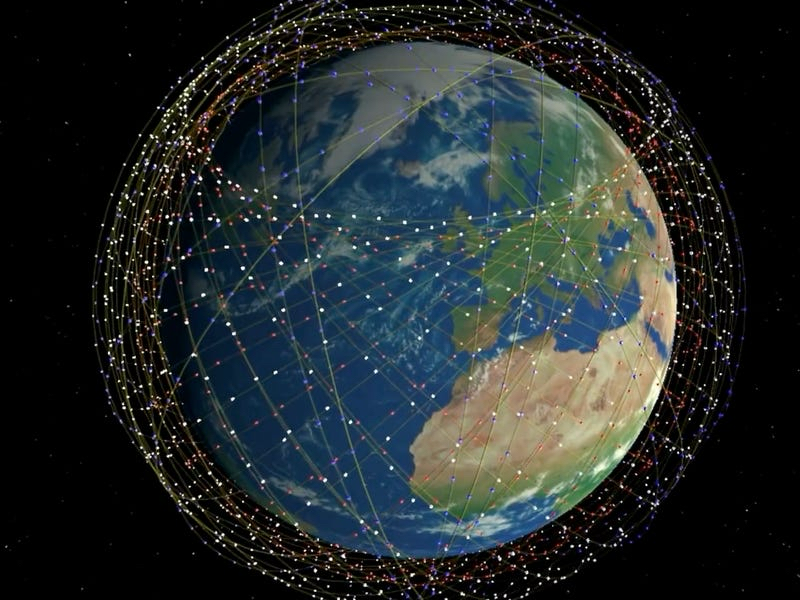
Consumers tracked the news with energy. Direct connectivity from phones solved rural gaps, travel dead zones, disaster recovery scenarios, and maritime or aviation needs. The trademark turned speculation into anticipation. People studied the filing date to estimate a launch window.
Starlink’s cellular tests in Canada offered a pattern. Early messages connected through LEO satellites with minimal delay. The company promised voice and data upgrades next. The trademark suggested a unified brand for those features.
TF Summary: What’s Next
Starlink set the stage for a consumer mobile product. The trademark, the public tests, and the app support created the most evident signs yet. The following steps revolve around service activation in the U.S. and alignment with carriers that handle roaming and emergency protocols. SpaceX moved fast this year, so we’re tracking new filings intently.
MY FORECAST: Starlink Mobile enters public service after internal carrier integrations stabilize. Product pages appear next, followed by pricing tiers, and global carriers race to match satellite-mobile coverage as demand accelerates.
— Text-to-Speech (TTS) provided by gspeech