



Australia Pushes Platforms Into Hard Age Cuts
Australia spent years debating youth safety online before acting. Lawmakers heard parents, researchers, and health groups describe burnout, bullying, algorithmic sway, and self-harm patterns that followed teens via their screens. The exercise morphed from discussion to enforcement after the country adopted new age-verification expectations. Enforcement included a more forceful enforcement of its Online Safety Act, prompting leading platforms to purge accounts of users under 16.
Meta, Google, and YouTube confirmed the changes after quiet internal reviews, while Australia’s eSafety Commissioner pressed companies to stop “pretending age gates protect children.” These moves triggered the largest coordinated teen-account removals the country ever attempted. Parents now face a social internet that looks different from the one their kids used last week.
What’s Happening & Why This Matters
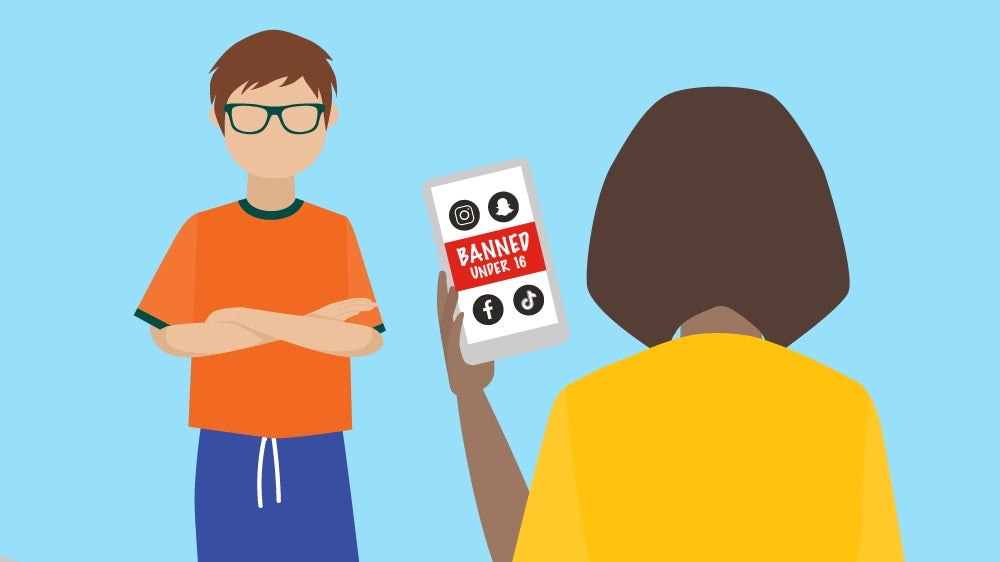
Australia’s eSafety Office notified platforms that light-touch age screening no longer passes compliance tests. Meta then began mass removals of accounts flagged as under-16. Many families saw the change before the announcement. Teens found themselves locked out of Instagram, Facebook, and Messenger with no warning. Australia’s assistant treasurer said companies “ignored youth harm signals for too long” and opened the door for mandatory age-verification technologies.
Meta said this action “protects younger people from damaging interactions,” although researchers already warn of new pressures around identity, belonging, and isolation. Parents flooded Meta’s Australian help channels asking how appeals work and why the system suspended teens over honest age changes.
YouTube Warns Policy Limits Youth Protections

Google’s YouTube told Australian lawmakers its own protections weaken the moment the country bars under-16 users from the service. YouTube Kids, restricted mode, comment filters, and AI-driven moderation rely on age-based signals that the new rules remove. Executives said “Australia risks a safety downgrade for teens,” arguing that forced removal from supervised experiences drives kids onto unsupervised browsers, VPNs, or fringe platforms.
The Australian government responded that platforms always communicate caution as an inconvenience. Lawmakers insist the burden sits with the companies that built recommendation engines with no age floor.
Deploying Real Age Verification
The new rules mark a clear break from “birthday box” age gates. Australia wants technical validation, not self-report prompts. Companies evaluate facial-estimation systems, government ID checks, and telecom-based identity verification. Privacy groups have reservations. Some expressed fear of normalising age surveillance. Others warned that security failures around ID uploads pose an extreme risk.
Australia’s eSafety Commissioner countered that “children face more danger through unverified access than verified protection.” Advocacy groups responded that safe implementation demands transparency, deletion guarantees, and strict warrant barriers.
Families Navigate Missing Accounts
Parents describe chaos as accounts vanished overnight. Some kids used Instagram for school clubs or team announcements. Others used Messenger Kids to talk with relatives in remote parts of Australia. The purge forced digital-coordination habits to change instantly.

Educators speak with frustration. Many relied on students’ social channels for quick updates. Coaches scrambled to rebuild rosters. Parents fielded emotional fallout at home as teens confronted the sudden loss of their digital communities.
Mental health workers urged families to treat the disruption as a reset rather than a punishment. Psychologist Dr. Kate Carlisle said the shift “creates space for new habits, but parents need to anchor conversations in empathy, not shame.”
Global Watch: Other Governments Observe
Australia’s ban sends international ripples. The UK, the EU, and several U.S. states are studying Australia’s tactics as they refine their own youth-safety bills. Tech giants fear a domino effect. One senior policy advisor from a major U.S. firm said the Australian model “introduces operational friction at scale,” a challenge companies avoided for years.
Meanwhile, advocacy networks celebrate the change as overdue accountability. The Australian Council on Children and Media said “this stands as a recalibration of responsibility,” framing youth safety not as an optional feature but as a baseline requirement.
TF Summary: What’s Next
Australia is in a test cycle where platforms refine age-detection tools, parents adjust routines, policymakers watch emotional outcomes, and teens rebuild digital habits. The removals change access patterns across social networks and introduce a new normal where online identity demands proof, not a typed number.
MY FORECAST:
More platforms incorporate firm under-16 enforcement in Australia. Global lawmakers take cues from this rollout. Verification frameworks appear on the most prominent networks. Australia is the archetype for strict youth-safety policy adoption.
— Text-to-Speech (TTS) provided by gspeech