


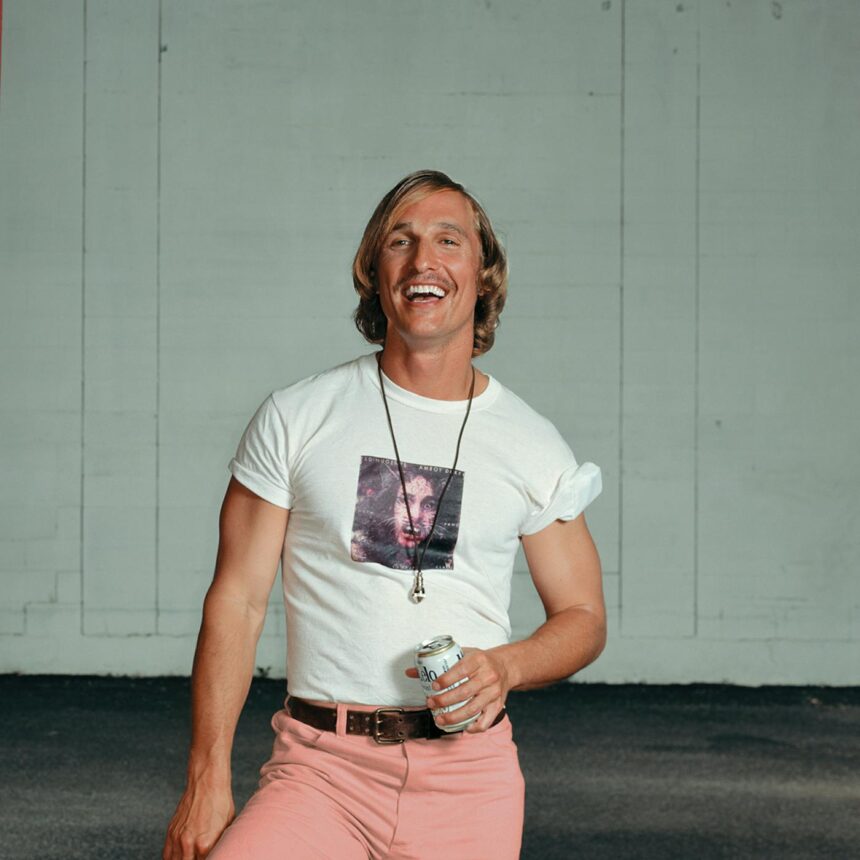
Public Figures Are Subject to Deepfake Scams and Likeness Misuse
In recent years, artificial intelligence moved from novelty to nuisance for public figures. Deepfake tools learned to copy faces, voices, and mannerisms with unsettling precision. Scammers exploited that power. Fake ads, cloned voices, and synthetic videos spread across social platforms. In response, celebrities sought ways to protect their identities and credibility.
In 2024, Matthew McConaughey took an uncommon legal route. Rather than waiting for courts or regulators to catch up, he acted first. He trademarked himself. The move signals a new chapter in the fight over AI likeness rights, consent, and ownership.
What’s Happening & Why This Matters
A Proactive Legal Play
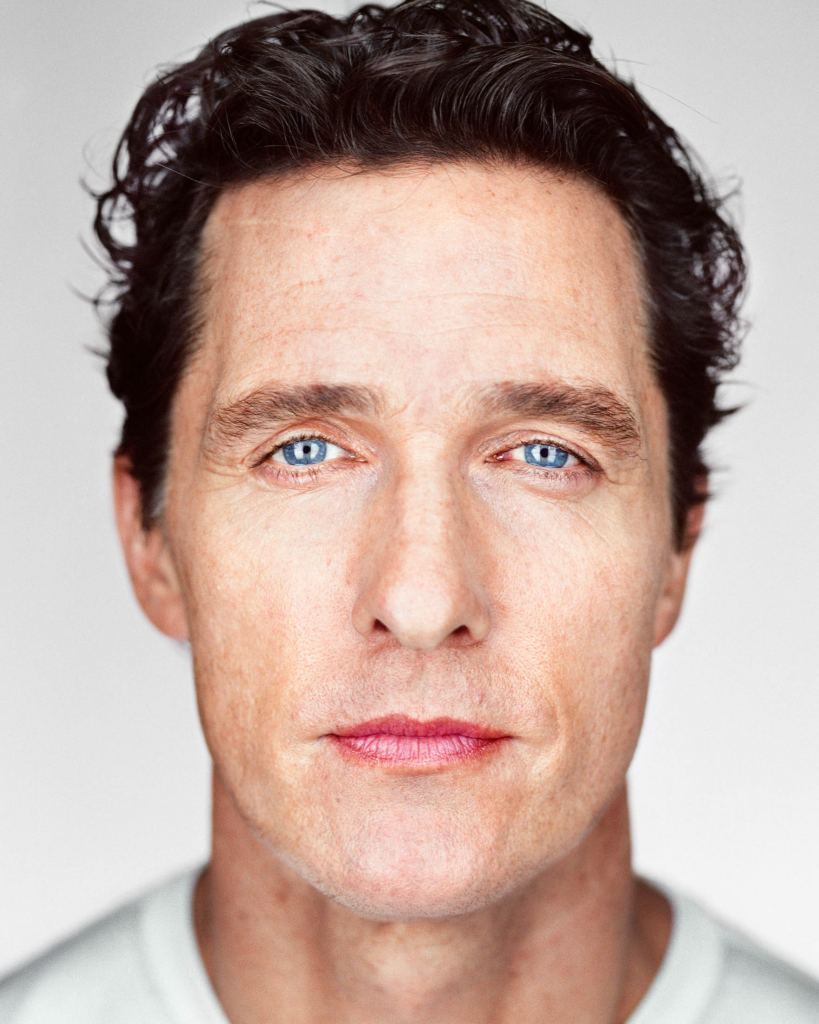
Matthew McConaughey secured approval for eight trademark applications through the U.S. Patent and Trademark Office. These trademarks cover visual depictions, vocal elements, and recognisable phrases associated with his public persona. The filings include imagery of the actor in familiar settings and excerpts tied to his career.
McConaughey explained the decision clearly in comments to The Wall Street Journal:
“My team and I want to know that when my voice or likeness is ever used, it’s because I approved and signed off on it.”
That sentence cuts through legal jargon. Control matters. Consent matters. Attribution matters.
Trademark law traditionally protects brands and commercial identifiers. McConaughey applies it to human identity. Legal experts describe this as the first high-profile attempt to use trademarks as a shield against unauthorised AI replication.
Why Existing Laws Fall Short
Most U.S. states enforce right-of-publicity laws. These laws restrict the commercial use of a person’s likeness without permission. Yet AI complicates enforcement. Deepfakes move fast. Jurisdiction stays slow.
During the 2023 SAG-AFTRA strike, actors pushed studios to limit unauthorised digital replicas. The resulting contracts helped. They did not solve the wider internet problem. AI tools outside Hollywood still generate unlicensed voices and images at scale.
Legal scholar Victoria Haneman warns that existing protections lag behind technology. She argues for stronger rights, including post-mortem digital deletion, to prevent what she calls “digital resurrection.” Her work highlights a growing fear: loss of agency even after death.
McConaughey’s approach does not wait for legislative reform. It builds a legal perimeter now.
The AI Misuse Context
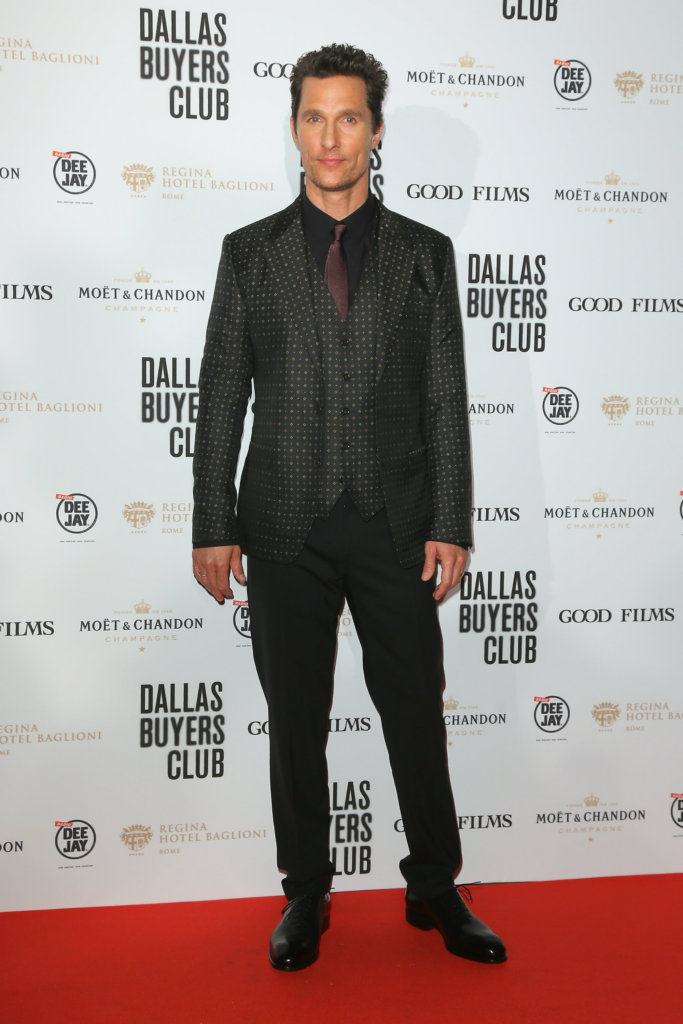
The backdrop matters. In 2024 alone, multiple celebrities fell victim to AI impersonation scams. Fake videos of Tom Hanks promoted fraudulent medical products. Synthetic audio mimicked Taylor Swift. Scarlett Johansson criticised an AI voice that sounded eerily close to her own.
These incidents shaped public perception. AI misuse stopped feeling theoretical. It felt personal.
McConaughey’s lawyers admitted there was no known misuse targeting him yet. That detail strengthens the point. This action focuses on prevention, not reaction.
Trademarks as Deterrence and Leverage
Trademark protection creates leverage. It raises legal risk for anyone deploying unauthorised AI replicas in advertising, media, or training data. It also opens licensing opportunities.
Kevin Yorn, one of McConaughey’s attorneys, described a secondary goal: capturing value generated through AI. That idea reframes the debate. The question shifts from “How do we stop AI?” to “Who benefits from AI?”
For creatives, that distinction matters. Unauthorised use damages reputation. Licensed use creates revenue.
Not Anti-AI, Just Pro-Consent
McConaughey does not reject AI outright. He holds a stake in ElevenLabs, a company known for advanced voice modelling. With permission, ElevenLabs created an AI voice version of the actor.
That detail matters — the issue centres on consent, not technology.
Professor Alina Trapova from University College London notes that celebrities experiment with legal tools because “unauthorised commercialisation” grows harder to control. Missed licensing opportunities drive frustration. AI replicates value without sharing it.
Dr. Sandra Wachter from the University of Oxford echoes that view. She explains the imbalance plainly: companies can easily train models. Individuals struggle to protect their work.
A Signal to the Industry
McConaughey’s move sends a signal. Creative professionals no longer wait passively. Actors, musicians, and estates explore every available legal tool. Some threaten lawsuits. Others draft contracts. McConaughey chooses trademarks.
The strategy may inspire others. It also pressures platforms. If trademarks gain traction, AI companies face higher compliance costs and clearer consent obligations.
TF Summary: What’s Next
Matthew McConaughey draws a firm line around identity. His trademarks assert ownership in an era when AI blurs the boundaries between the real and the synthetic. The move reframes likeness as intellectual property rather than public raw material.
MY FORECAST: More creators follow this path. Trademarks, licensing frameworks, and consent registries expand. AI platforms adjust or face mounting legal friction. Identity becomes a protected asset, not a free dataset.
— Text-to-Speech (TTS) provided by gspeech