



Google tests an agent-style browser feature that handles web tasks while you stay hands-off.
Google wants your browser to do more than load pages. It wants Chrome to act.
This week, Google begins testing a new feature called Auto Browse, which automatically searches, navigates, and completes multi-step online tasks for users. Instead of clicking through tabs, comparing results, and filling out forms yourself, Chrome starts doing that work for you.
Auto Browse is part of Google’s Gemini AI strategy. The company wants AI tools embedded in everyday products, not just chatbots. Auto Browse turns the browser into an assistant, not just a window.
The idea feels simple. The impact is not.
What’s Happening & Why This Matters
Google Turns Chrome Into an AI Task Runner

Google is testing Auto Browse inside its flagship browser, Google Chrome.
Auto Browse works like an AI-powered agent. You give Chrome a goal. Chrome then searches the web, clicks through results, gathers information, and completes steps on your behalf. Instead of asking, “What’s the best hotel in London?” you might say:
“Find me a hotel near King’s Cross this weekend under €200.”
Chrome then performs the browsing process itself. Google says the functionality is the next stage of AI assistance. The browser becomes proactive.
In a statement about AI tools inside everyday workflows, Google says:
We’re raising the bar for what an agentive AI can do inside a browser.”
That line matters. Google is no longer talking about AI as search help. It talks about AI as execution.
Auto Browse: The Next Phase of Search

For years, browsing has looked the same:
Search → click → scroll → compare → repeat.
Auto Browse compresses the entire loop into a single action.
Google’s core business depends on search behaviour. If AI agents handle the browsing process, then the structure of the web economy changes.
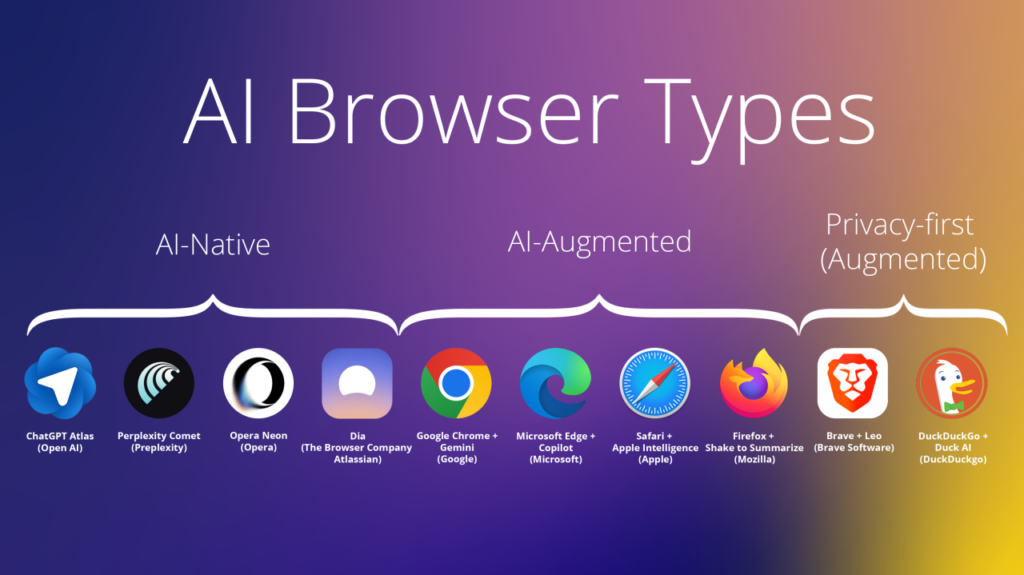
Auto Browse does not just answer questions. It performs tasks. That puts Google directly in the same arena as:
- OpenAI with ChatGPT agents
- Microsoft with Copilot
- Perplexity with AI search workflows
The competition is no longer about blue links. It is about who controls the next click.
Convenience With Data Questions
Auto Browse also raises immediate privacy and control concerns. If Chrome acts for you, then it needs deeper access:
- Your browsing intent
- Your saved logins
- Your purchase behaviour
- Your forms and preferences
- Your search history
That makes Chrome even more central to personal data flows. Google already sits at the centre of web identity through Gmail, Search, Maps, and Android. Auto Browse expands that reach further.
The company says these tools remain experimental. However, the direction is clear.
AI does not stay in the chat window. It moves into everything.
The Browser: A New AI Battleground
Browsers are no longer neutral tools. They become platforms for AI automation. That is why Auto Browse matters so much. Chrome is not a niche product. It is the world’s most used browser.
If Google succeeds, Auto Browse becomes the default way millions of people interact with the internet. This also changes how businesses design websites.
If AI agents browse for users, then websites must serve both humans and machines.
That means:
- Clear structured data
- Faster navigation
- Machine-readable checkout flows
- Content optimised for AI extraction
SEO itself is evolving into “agent optimisation.” The web becomes a place where AI acts first, humans approve second.
User Control vs. Time
Auto Browse offers real upside. Nobody enjoys repetitive online tasks. Booking appointments, comparing products, and filling insurance forms — these are time drains.
If Chrome handles them smoothly, it saves hours. However, the tradeoff is subtle.
When AI makes decisions, users lose visibility into the process. That reduces transparency.
It also increases the risk of:
- Incorrect purchases
- Misleading rankings
- Hidden bias in results
- Over-reliance on AI judgment
Auto Browse feels like magic. Magic always hides complexity.
TF Summary: What’s Next
Google’s Auto Browse tests a new chapter for the internet. Chrome shifts from a passive browser into an active AI agent. That changes search, shopping, and everyday online work.
MY FORECAST: Browsers are the next domino in the AI power struggle. Google, OpenAI, and Microsoft fight for control of the “action layer” of the web, not just the answer layer.
— Text-to-Speech (TTS) provided by gspeech | TechFyle