


From General Chat to Dedicated Health Space
ChatGPT already is at the center of how people searched, learned, and problem-solved online. Health questions followed, naturally. Over time, millions of users asked about symptoms, lab results, workouts, sleep, stress, and nutrition. That steady behavior shaped the next step.
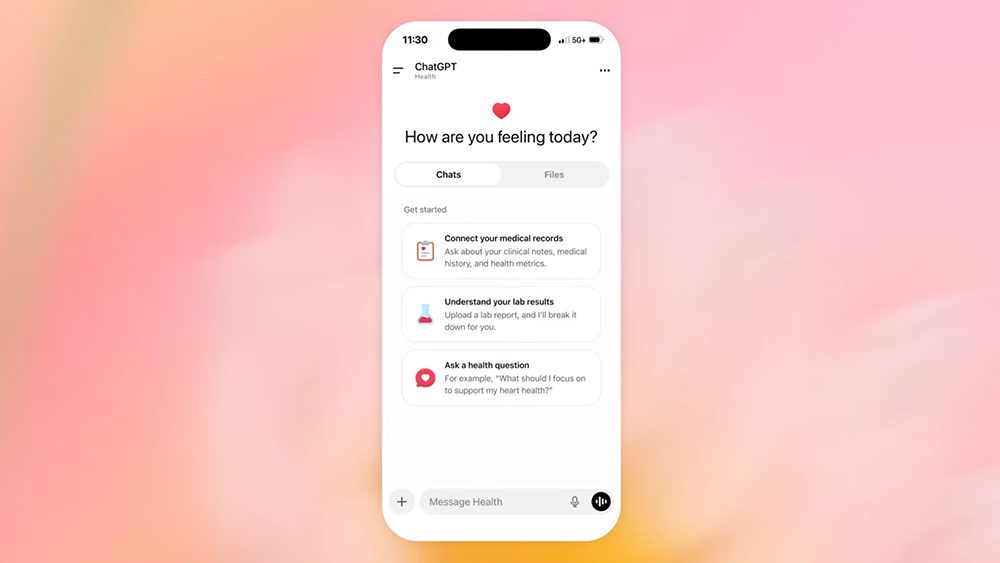
Now, OpenAI formally brings health into focus. The company launches ChatGPT Health, a dedicated experience inside ChatGPT that keeps sensitive health data separate, structured, and user-controlled. The venture enables ChatGPT, not as a doctor, but as a persistent health companion that helps people understand patterns, records, and everyday decisions.
This shift matters because health already drives massive engagement. OpenAI reports that more than 230 million people ask health or wellness questions every week. That volume pushed informal use into something more deliberate, designed, and governed.
What’s Happening & Why This Matters
ChatGPT Health runs as a standalone environment inside the platform. Conversations, files, and connected apps stay isolated from other chats. Health memories never mix with general prompts. Users view, manage, or delete that data at any time.
That separation changes trust dynamics. Health data demands different rules than travel plans or coding help. OpenAI treats the functionality as a distinct product layer, not a chat thread.
Fidji Simo, CEO of Applications at OpenAI, explains the direction clearly:
“ChatGPT Health is another step toward turning ChatGPT into a personal super-assistant that can support you across any part of your life.”
Connecting Real Health Data
ChatGPT Health allows users to connect medical records and wellness apps such as Apple Health, Function, and MyFitnessPal. With permission, the system reads lab results, fitness metrics, nutrition logs, and appointment notes.
This connection enables practical use cases:
- Interpreting recent test results
- Preparing questions before doctor visits
- Reviewing nutrition and exercise habits
- Comparing insurance options through personal data patterns
Each connected app undergoes additional privacy and security review. Users grant access explicitly. Nothing flows automatically.
Built to Support, Not Replace, Doctors
OpenAI draws a firm boundary. ChatGPT Health does not diagnose. It does not prescribe. It does not replace clinicians.
Instead, it supports preparation, understanding, and continuity. The tool helps users spot trends across time rather than isolated moments of illness. That framing aligns with how people actually manage health outside clinics.
OpenAI builds the product with medical oversight. Over two years, more than 260 physicians across 60 countries reviewed outputs, logging 600,000+ feedback sessions. That collaboration shapes tone, caution, and clarity across responses.
Limited Rollout Signals Regulatory Reality
ChatGPT Health launches gradually. Early access opens to Free, Go, Plus, and Pro users through a waitlist. The rollout excludes the European Economic Area, Switzerland, and the United Kingdom, reflecting stricter health data rules.
Medical record integrations also remain US-only during early phases. OpenAI signals broader availability after refinement, once safeguards prove reliable across regions.
A cautious rollout underscores the ways in which health differs from general AI features. Regulation, liability, and trust shape pace.
Is This Different?
Health conversations already happened inside ChatGPT. The difference lies in structure, consent, and continuity.
ChatGPT Health treats wellness as a long-term relationship rather than a single answer. Users return with evolving data. The system tracks context across time, not just questions.
That design matches modern health behavior. People manage conditions, habits, and goals continuously. Clinics capture snapshots. AI fills gaps between visits.
Adding Health support also pressures competitors. Search engines answer symptoms. Wearables track data. Few tools connect understanding, explanation, and memory in one place.
TF Summary: What’s Next
ChatGPT Health reframes AI health support around context, control, and preparation. The product sits beside doctors rather than ahead of them. It organizes data people already generate and turns it into understandable insight.
MY FORECAST: AI health companions integrates as standard personal infrastructure. ChatGPT Health sets early expectations around separation, consent, and physician collaboration. Platforms that treat health as “just another feature” lose trust fast. Tools that respect data boundaries win long-term loyalty.
— Text-to-Speech (TTS) provided by gspeech