


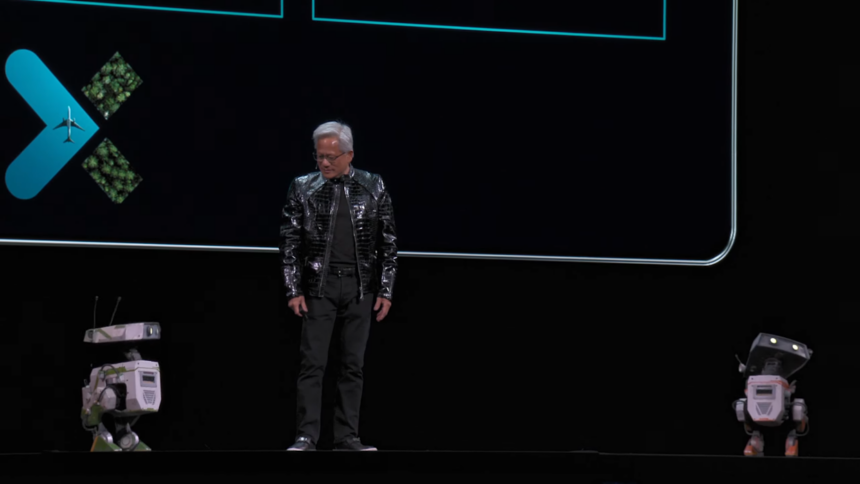
CES 2026 opened with a familiar promise that felt different this year. Robotics stopped playing defense. Machines stepped out from research labs and glossy concept videos and entered real environments with clear jobs, clear limits, and clear commercial intent. From construction toys that teach engineering logic to humanoid robots that lift, carry, greet, and converse, CES 2026 framed robotics as practical infrastructure rather than spectacle.
The show did not chase novelty. It focused on deployment. Robots assembled cars, greeted hotel guests, and, maneuvered across factory floors intentionally. This year’s message is delivered cleanly: robotics can operate inside daily systems, versus around them.
What’s Happening & Why This Matters
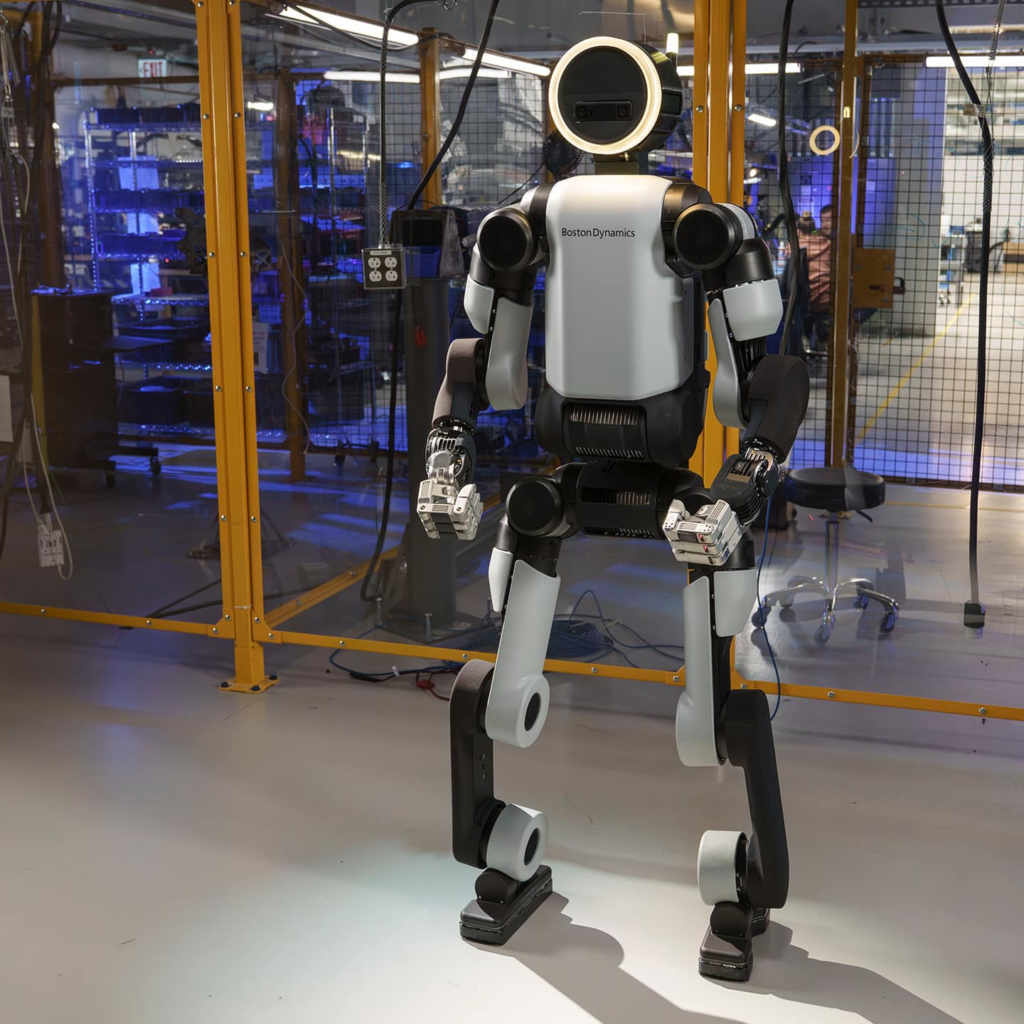
Early CES coverage centered on one unmistakable theme: robots now work alongside people instead of replacing them. The clearest example came from Boston Dynamics, which brought Atlas onto the CES stage as a production-ready humanoid rather than an experimental demo. Atlas walked, balanced, carried objects, and interacted naturally. Hyundai confirmed active production plans that place the Atlas inside U.S. electric vehicle assembly lines before the decade’s end.
Atlas no longer performs for cameras. It performs tasks. Hyundai described the robot as a physical co-worker that reduces strain, injury, and fatigue during repetitive or high-risk labor. That framing matters. It positions humanoid robots as ergonomic tools rather than replacements, which lowers adoption resistance across industrial sectors.
Nvidia’s Vision
On the same stage, NVIDIA reframed robotics software as the missing unlock. CEO Jensen Huang described physical AI as the “ChatGPT moment” for robotics, noting models that understand space, reason about motion, and explain decisions in real time. NVIDIA introduced Alpamayo, an open robotics and autonomous driving platform that trains machines in simulated environments before real-world deployment .
NVIDIA reinforced this push through partnerships with Google DeepMind and Boston Dynamics. The strategy looks deliberate. NVIDIA controls the training infrastructure. Partners control hardware. Together, they compress development cycles while keeping models interpretable, auditable, and adaptable.
In House & Home
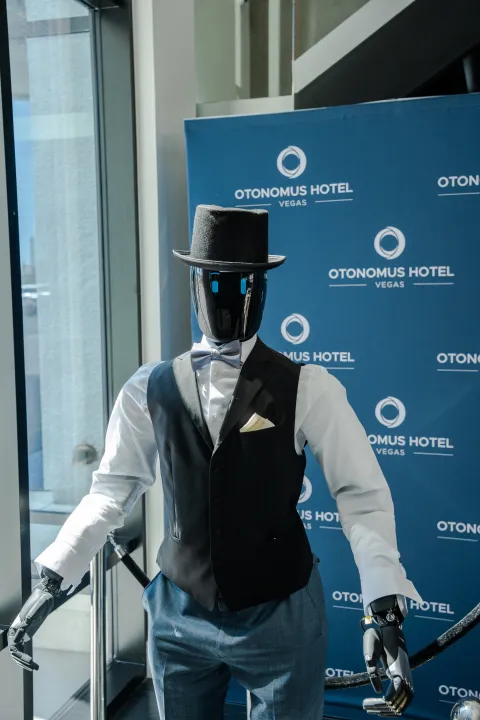
Robotics also joined in on hospitality. At Las Vegas’ Otonomous Hotel, Oto operates as a humanoid concierge that greets guests, answers questions, handles requests, and maintains a conversational personality. Oto speaks more than 50 languages and adapts responses based on guest behavior and tone. Founder Philippe Ziade described Oto as “not Alexa, not Siri,” but something closer to a social interface with memory and context.
What an important distinction. Oto does not replace staff. It absorbs friction. It removes repetitive interactions while human employees focus on complex or emotional needs. Hotels gain scale without sacrificing experience.
For Kids and Schooling
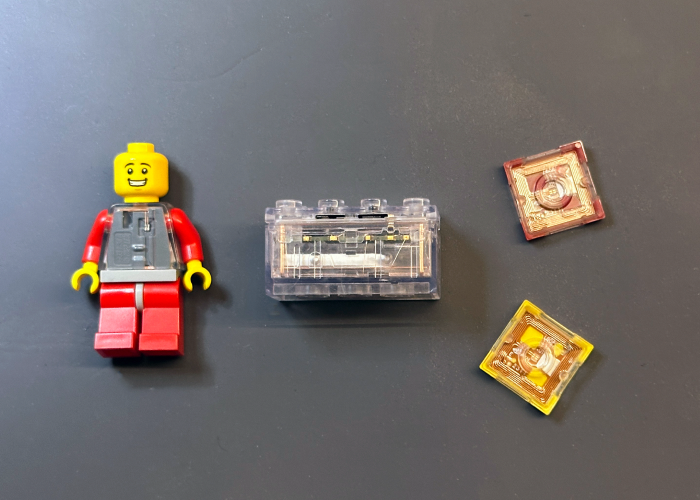
Even construction and education received robotic upgrades. LEGO unveiled Smart Brick, a programmable building system that merges physical assembly with digital logic. Children build structures that respond to rules, inputs, and sequences, introducing engineering thinking without screens dominating the experience. It quietly reframes STEM education as tactile rather than abstract.
Across sectors, CES 2026 presented consistent design logic. Robots perform well-defined roles. They integrate with existing workflows, explain actions, and reduce human burden without demanding human displacement.
TF Summary: What’s Next
CES 2026 confirms a shift from experimental robotics toward operational robotics. Companies no longer ask whether robots impress. They ask whether robots fit. Atlas fits factories. Oto fits hospitality. Smart Brick fits classrooms. NVIDIA fits everywhere machines learn movement.
MY FORECAST: Robotics adoption ramps inside labor-intensive sectors where ergonomics, safety, and staffing pressure intersect. Expect faster deployment inside manufacturing, logistics, hospitality, and education before consumer humanoids reach mass households.
— Text-to-Speech (TTS) provided by gspeech