


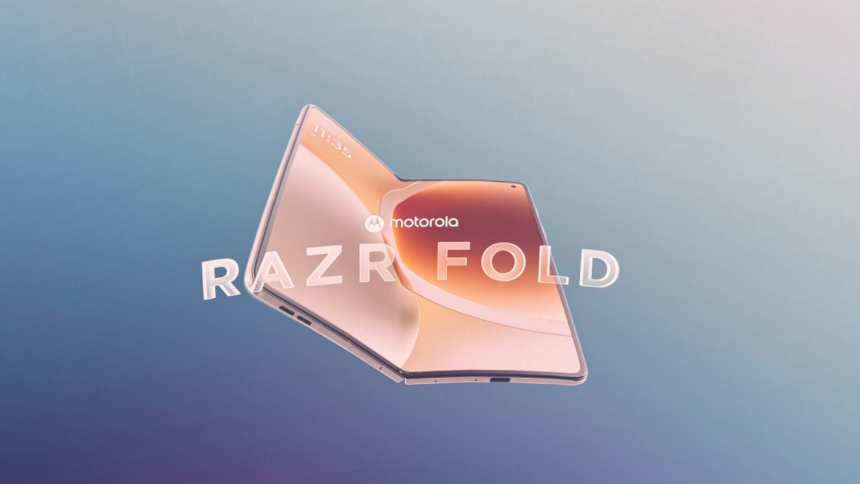
Motorola returned to CES with something it had never fully committed to before. For years, the brand played safely with flip phones that nodded to nostalgia. At CES 2026, Motorola stepped into a different arena and introduced the Razr Fold, its first true book-style foldable smartphone. The announcement marked a clear pivot. Motorola now targets productivity users, power multitaskers, and enterprise-curious buyers who want more screen without carrying a tablet.
The Razr Fold entered a market long dominated by Samsung and Google. Motorola arrived late, yet not quietly. The company positioned the device as premium hardware paired with AI-driven software and a rare differentiator in foldables: a dedicated stylus experience. That combination framed the Razr Fold as more than a spec chase. It framed the phone as a work-first device that still respects design and comfort.
What’s Happening & Why This Matters
Book-Style Folds
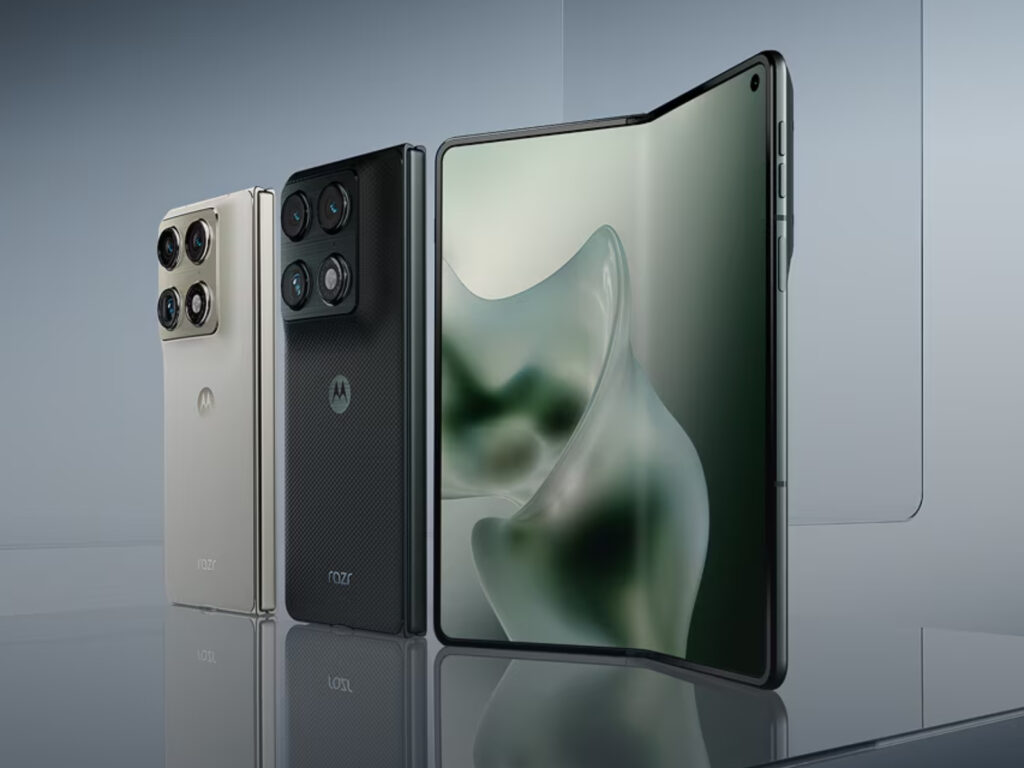
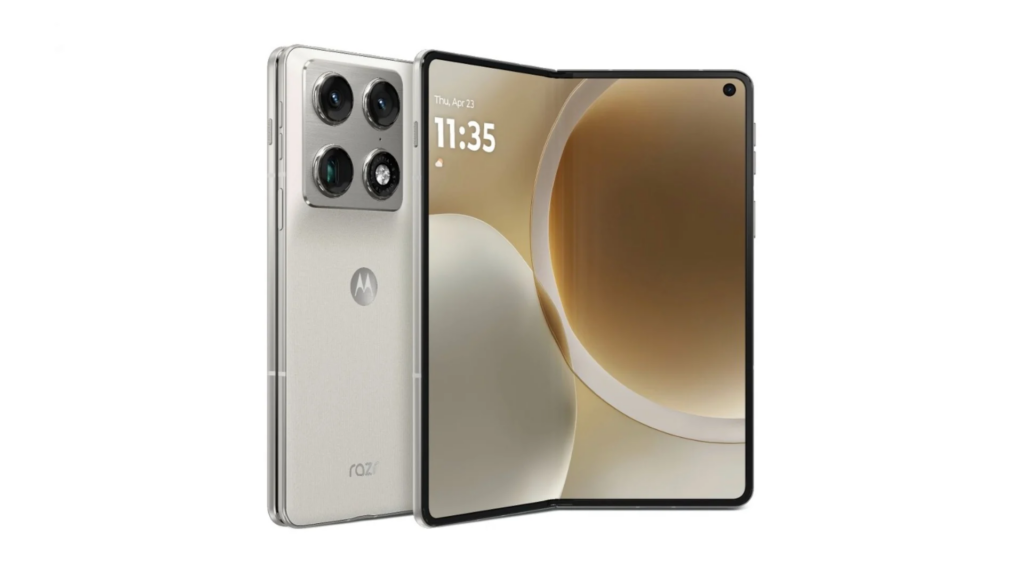
Motorola revealed the Razr Fold during CES media briefings in Las Vegas, confirming a mid-year launch window and publicly previewing the hardware for the first time. The device folds like a book, opening from a standard smartphone size into a tablet-sized canvas. The design pits Motorola against Samsung’s Galaxy Z Fold line and Google’s Pixel Fold series.
The Razr Fold uses a 6.6-inch outer display for everyday phone use. Inside, an 8.1-inch main display supports multitasking, content creation, and productivity workflows. In hand, the device feels solid rather than experimental. Reviewers at CES describe a smooth hinge, stable balance, and a weight that feels manageable despite the size.
Motorola no longer wants to be seen as a secondary player in foldables. The Razr Fold echoes this intent. Motorola wants relevance in the premium tier again, not nostalgia sales.
Ambitious Camera Hardware
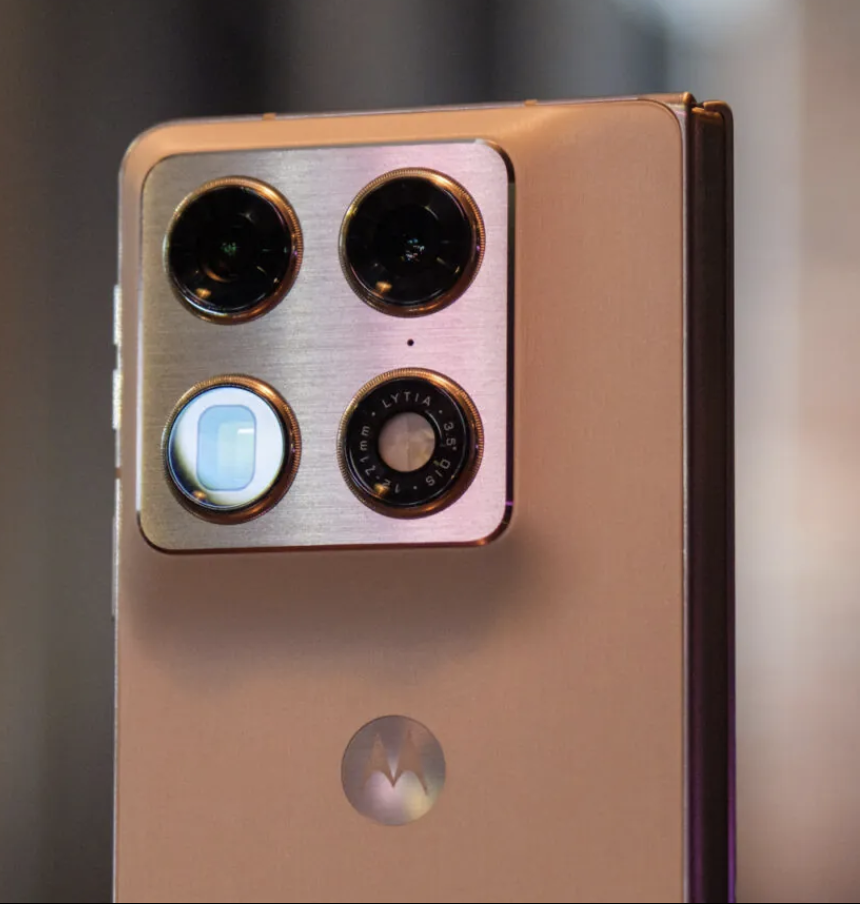
Foldables often compromise camera quality. Motorola chooses not to follow that path. The Razr Fold includes a triple 50-megapixel rear camera system. The primary sensor uses a Sony Lytia sensor, paired with a 50MP ultrawide lens that supports macro shots and a 50MP 3× telephoto lens.
Its configuration places the Razr Fold closer to flagship slab phones than many foldables. The camera bump adds thickness, yet Motorola appears comfortable with that tradeoff. Image quality is worth more than minimalism at this price tier.
Motorola also includes a 32-megapixel front-facing camera, designed for video calls, conferencing, and content creation. For a foldable marketed toward productivity, this balance feels deliberate.
Software for Multitasking and AI
Motorola stayed cautious when discussing software specifics, yet it shared enough to outline direction. The Razr Fold runs Android with Motorola’s custom interface. The software supports multi-window workflows, allowing users to run at least three apps simultaneously on the inner display .
Motorola also introduced Qira, a cross-device AI assistant that connects Motorola phones with Lenovo laptops. Qira tracks context, remembers tasks, and enables actions across apps and devices. Motorola confirmed that Qira relies on technology from partners such as Microsoft and Perplexity, positioning it as a practical assistant rather than a novelty feature.
The approach supports a shift in mobile AI. Motorola sees AI as a background productivity layer instead of a flashy chatbot.
A Stylus…?
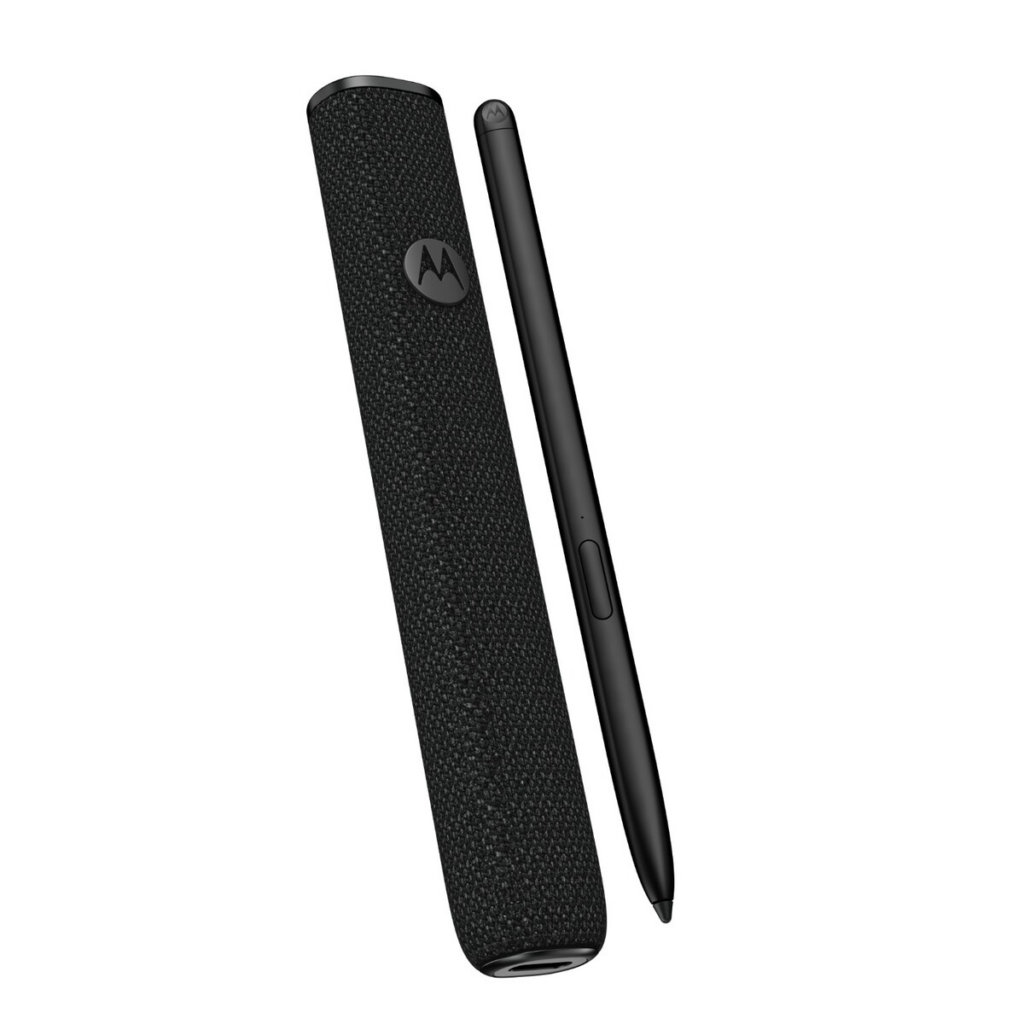
The most distinctive Razr Fold feature is an exterior one. Motorola unveiled a Bluetooth-enabled stylus accessory, sold separately, designed specifically for the inner display. The stylus supports 4,096 pressure levels, ultra-low latency, and connects through Bluetooth 5.3. It includes its own charging case and an IP55 rating for dust and water resistance.
Stylus support in foldables is rare. Samsung offers pen support, yet accessories are optional rather than integrated. Motorola stakes the stylus as part of the Razr Fold’s identity. Note-taking, sketching, and document markup become first-class use cases rather than afterthoughts.
Pricing and Place in the Market
Motorola avoided price discussion during CES. Methinks that silence speaks volumes. Book-style foldables routinely approach the $2,000 range (€1800), and component costs continue to rise. Motorola appears to balance competitive ambition with pricing flexibility. By delaying pricing details, the company keeps room to adjust its strategy before launch.
The New Direction?
Motorola enters the foldable market later than competitors, yet timing cuts both ways. The company benefits from watching rivals stumble through early iterations. Hinge durability improves. Software matures. Consumer expectations clarify. Motorola builds a device infused with lessons learned.
The Razr Fold does not chase thinness records or headline-grabbing gimmicks. Instead, it emphasizes balance. Strong cameras. Usable screens. A stylus that feels intentional. AI that supports work rather than distracting from it.
That strategy resonates with professionals who view foldables as tools, not toys.
TF Summary: What’s Next
Motorola positions the Razr Fold as a productivity-first foldable that values function over flash. The hardware signals confidence. The software direction favors real workflows. The stylus expands use cases beyond consumption. Together, these choices place Motorola back into serious flagship conversations.
MY FORECAST: The Razr Fold reshapes Motorola’s brand perception. Success hinges on pricing discipline and software polish at launch. If execution matches intent, Motorola reclaims relevance within premium Android hardware and forces competitors to rethink stylus support and AI utility across foldables.
— Text-to-Speech (TTS) provided by gspeech