


CES 2026 rolled on with a familiar promise. More screens and more AI. More distraction? Yet two announcements cut through the chaos with clarity and intent. One looked backwards to move productivity forward. The other stitched devices together with quiet precision.
The Clicks Communicator resurrected the physical keyboard with purpose. Qira AI channels personal AI for continuity rather than chat. Together, they revealed a deeper theme from CES 2026. The industry no longer chases novelty alone. It chases usefulness.
What’s Happening & Why This Matters
A Disciplined Physical Keyboard Returns
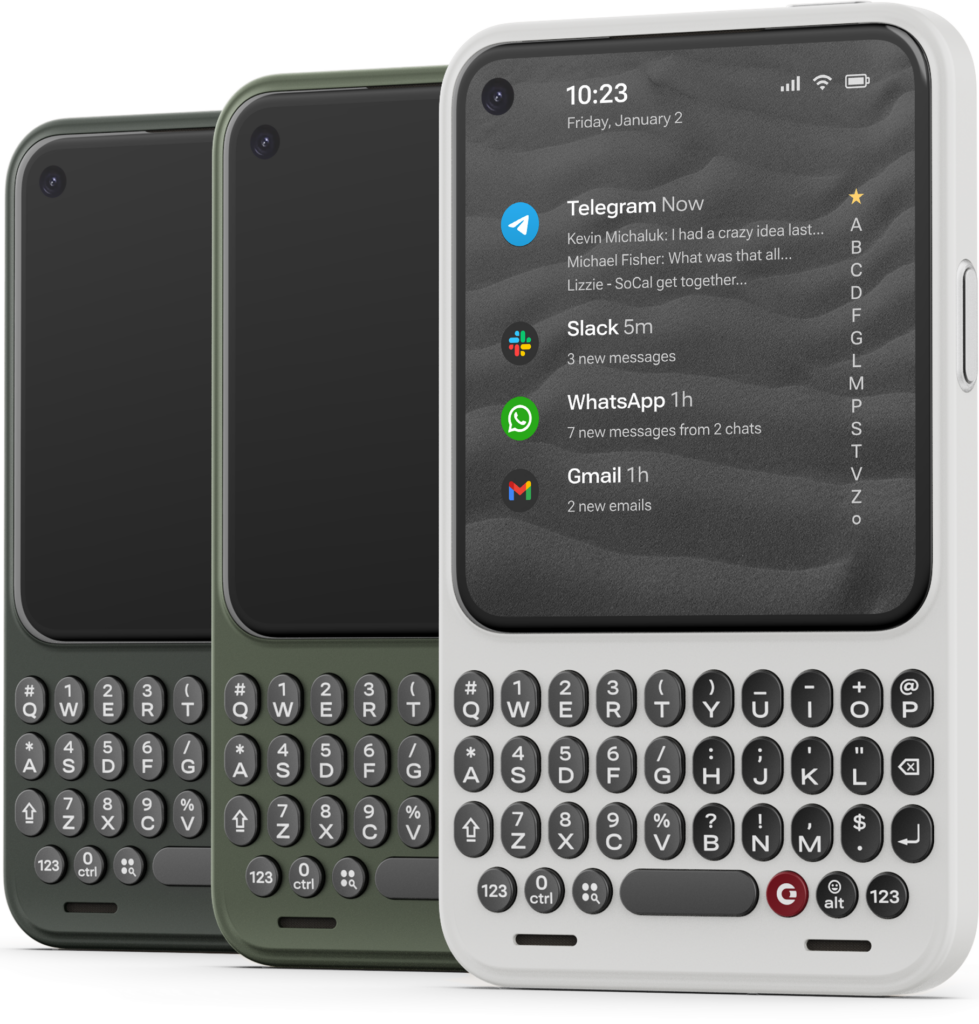
At CES 2026, Clicks Technology unveiled the Clicks Communicator, a compact Android phone built around one idea: typing still matters.
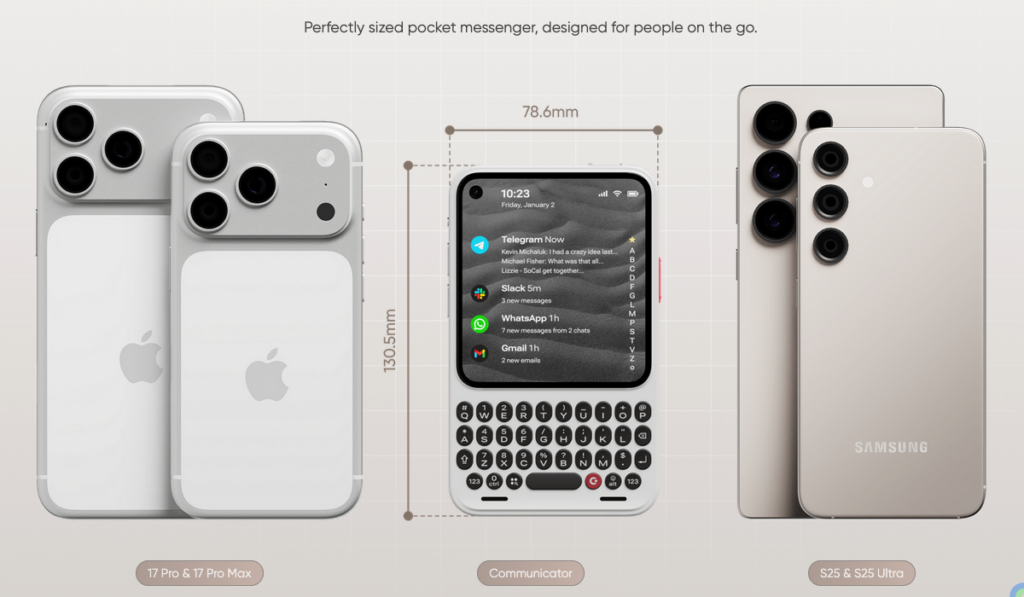
The device drew immediate comparisons to classic BlackBerry hardware, and that reaction felt intentional. Clicks founders Michael Fisher and Kevin Michaluk designed the Communicator as a focused communications tool, not a camera monster or media slab. The phone features a nearly square display, sculpted physical keys, a dedicated shortcut button, and hardware choices that feel almost rebellious in 2026 — removable batteries, microSD support, and a 3.5mm headphone jack.
Clicks showed near-final mockups rather than fully functional units, but the design spoke clearly. This phone prioritises messages, notifications, and inbox triage. Android 16 runs beneath a stripped-down interface that puts conversations front and centre.
A former BlackBerry keyboard designer shaped the tactile experience. The result feels deliberate. Keys curve naturally. Capacitive touch enables scrolling gestures across the keyboard surface itself. Typing regains speed, accuracy, and confidence.
Clicks positioned the Communicator as a second device. A productivity companion. A tool for people who write, reply, and think with their thumbs. In a market flooded with glass rectangles, that restraint lands as refreshing honesty.
Qira AI Connects Devices, Simply

While Clicks revived hardware muscle memory, Lenovo introduced a different kind of continuity with Qira AI. Instead of another chatbot, Lenovo presented Qira as ambient intelligence that follows context across devices.
Qira unified Lenovo AI Now, Moto AI, and Creator Zone into a single system-level assistant spanning laptops, desktops, phones, tablets, and eventually IoT devices. The demo focused less on conversation and more on flow.
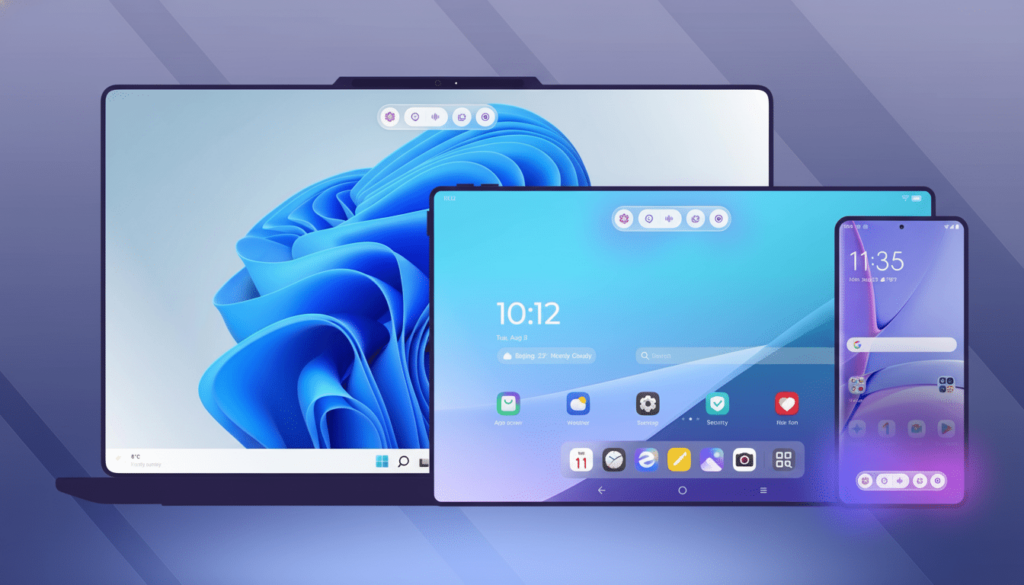
Start research on a phone. Continue work on a laptop. Qira recognises the task and surfaces relevant files, tools, and next steps without manual transfers. Lenovo called this capability “Next Move,” a feature built around real-time screen awareness.
Other tools extend that philosophy. “Catch Me Up” condenses missed notifications across devices. “Write For Me” inserts AI assistance directly inside apps, instead of separate chat windows. “Pay Attention” handles meeting transcription, translation, and recall without breaking focus.
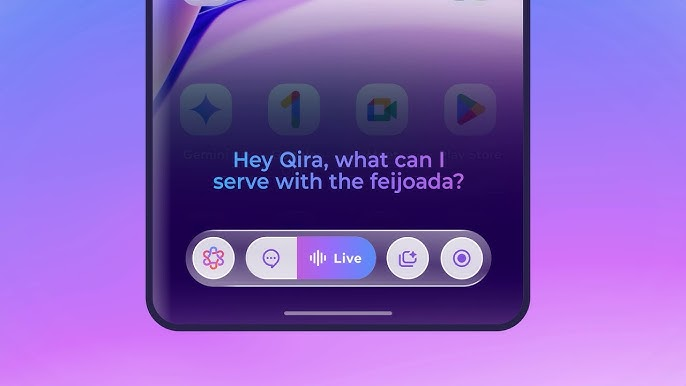
Lenovo built Qira on a hybrid architecture. On-device processing handles latency-sensitive and privacy-heavy tasks. Cloud computing supports larger reasoning loads. The balance matters. Qira feels less like surveillance and more like infrastructure.
This approach places Lenovo in rare company. Only a few firms control enough hardware surface area to pull this off. With laptops, tablets, and Motorola phones under one roof, Lenovo now competes directly with ecosystem giants on continuity, not flash.
Two Products, One Message
The Clicks Communicator and Qira AI share a quiet philosophy. Both reject distraction and focus on reducing friction. Both treat technology as a support system rather than a spectacle.
Clicks bets on physical intent. Qira bets on contextual awareness. Together, they reflect a CES 2026 trend worth noting. Productivity regains status. Tools regain boundaries. Devices regain purpose.
TF Summary: What’s Next
CES 2026 reveals a recalibration. Hardware teams revisit fundamentals. Software teams chase flow rather than novelty. The Clicks Communicator restores confidence to communication. Qira AI restores continuity across personal tech.
This direction signals maturity. Users demand fewer interruptions and greater coherence. Devices and services respond by getting the hello out of the way.
MY FORECAST: Expect more products that narrow functionality over expanding it. Expect AI that disappears into workflows. Expect hardware that respects human habits instead of fighting them.
— Text-to-Speech (TTS) provided by gspeech