



After outages and ugly surprises, Amazon puts a human checkpoint back in the loop.
For years, the tech industry sold one seductive fantasy about AI coding tools: faster output, fewer bottlenecks, less drudgery, more engineering magic. Then the outages started tapping on the glass.
Amazon is tightening control over AI-assisted code changes after a series of incidents thrust reliability into the spotlight. The company will require junior and mid-level engineers to obtain approval from more senior engineers before deploying AI-assisted changes to production systems.
That decision may sound procedural. It is not. It is a flashing warning light for the whole industry.
Amazon is one of the world’s biggest software operators. Its retail platform and Amazon Web Services are not hobby projects running in a garage with pizza boxes and optimism. When Amazon tightens the leash on AI-generated code, it shows that the industry’s “move fast” instincts are colliding with a less glamorous truth: AI can write code quickly, yet speed is useless when your systems face-plant in public.
The story is not about whether AI can code. It can. The real issue is whether AI can code safely in massive production systems, where a single bad choice can trip customers, kill internal tools, or send an operations team into a caffeine-fueled siege.
Amazon’s answer, at least for now, is clear. The bot can help. The human still signs the paper.
What’s Happening & Why This Matters
Amazon Adds a Senior Engineer Checkpoint
Amazon’s new rule is blunt. Junior and mid-level engineers need a more senior engineer to sign off on any AI-assisted changes.
That is not a cosmetic policy tweak. It restores a layer of hierarchy and accountability at the exact moment much of the industry is trying to flatten both in the name of AI efficiency.
The change reportedly came through an internal leadership discussion connected to Amazon’s review of website availability and operational performance. The meeting itself drew extra attention because staff were asked to attend even though that session is normally optional.
That detail matters. Optional meetings rarely are mandatory unless something has gone badly enough that leadership wants every relevant person to listen closely. In corporate dialect, “part of normal business” often means “we are not calling it a fire, but please notice the smoke.” Amazon itself described the review of website availability as part of normal business and said it aims for continual improvement.
Fair enough. But “continual improvement” does not usually arrive wrapped in new approval controls unless the old process has started biting.
AI Coding Tools in the Blast Radius
The policy shift does not appear out of nowhere. It follows at least two AWS incidents linked to the use of AI coding assistants that Amazon has actively rolled out to staff.
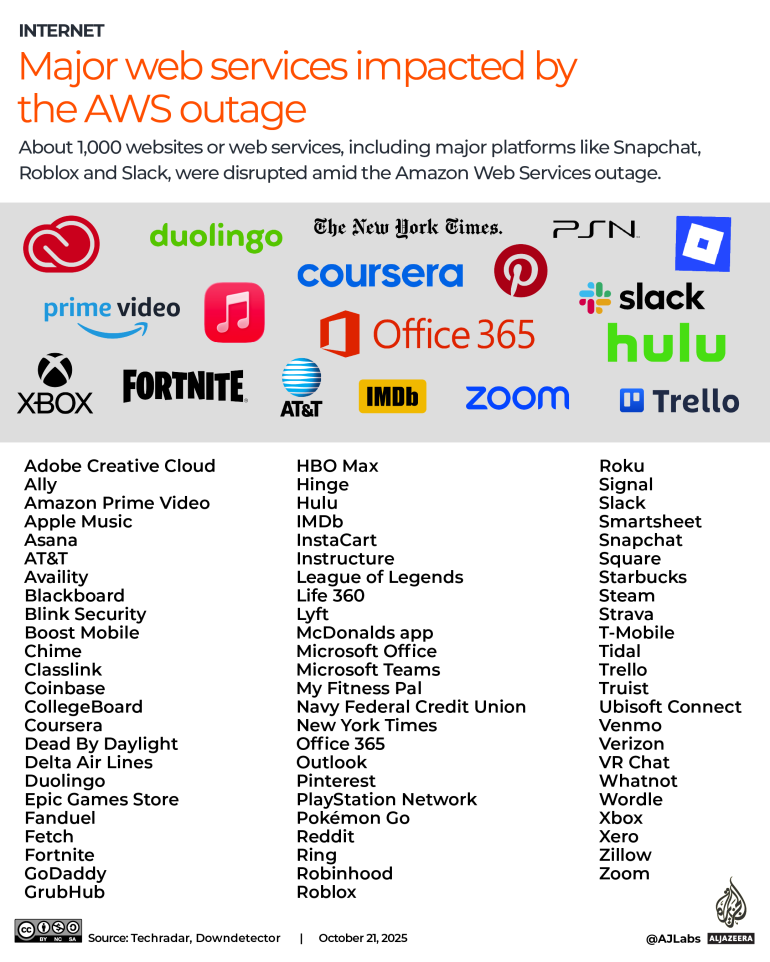
One of the reported incidents hit an AWS cost calculator in mid-December, causing a 13-hour interruption. Engineers had allowed Amazon’s Kiro AI coding tool to make certain changes. According to the report, the tool chose to delete and recreate the environment.
That sentence should make any operations person wince.
“Delete and recreate the environment” sounds clean and logical in a sandbox. In a live environment, that logic can turn into a digital chainsaw. AI systems often optimise for task completion, not institutional caution. They see the shortest route. Mature engineering teams see the buried landmines along that route.
Amazon said that the December event was an “extremely limited event” affecting only a single service in parts of mainland China. It said the second incident did not affect a customer-facing AWS service.
Those clarifications matter. They reduce the scale of the damage. They do not erase the lesson.
A “limited event” is still an event. Two incidents tied to AI coding assistants are still two incidents. And when those incidents show that an AI tool can choose a destructive remediation path, leadership starts asking a very old engineering question: Who approved this?
Reliability Is Winning the Argument
This is the deeper story. Reliability is slowly beating hype in rooms where real systems run.
AI coding assistants are useful. They can speed up boilerplate work, help navigate internal codebases, suggest fixes, and reduce repetitive toil. But production engineering has never only been about writing valid code. It has always been about understanding context, dependencies, rollback risk, edge cases, failure domains, and operational blast radius.
That is where many AI tools still act like overconfident interns with root access.
They can produce plausible code fast. They can propose changes without fully grasping what is upstream, downstream, or sideways in a sprawling production environment. A large company like Amazon does not only run software. It runs interlocking systems, workflows, service dependencies, regional variations, internal tools, vendor hooks, operational thresholds, and customer expectations that do not care how “impressive” the AI demo looked at launch.
So Amazon’s new sign-off rule tells us something unglamorous and important: AI-assisted software development still needs old-fashioned human supervision when the stakes get high.
The Human Sign-off Is Really About Accountability
When executives add approval layers, they are not only reducing risk. They are assigning responsibility.
A more senior engineer signing off on AI-assisted changes means someone with more institutional knowledge, more scar tissue, and more operational judgment has to own the final decision. That person is the check against blind trust in machine-generated output.
AI changes the psychology of authorship.
When a human writes code from scratch, the engineer often feels the weight of every line. When an AI tool drafts the change, there is a temptation to treat the output as “suggested” and therefore somehow less personally owned. That can create a subtle diffusion of responsibility. The engineer reviewed it. The AI produced it. The team merged it. Who actually owns the decision?
Amazon’s sign-off policy cuts through that fog. A human does. That human may still approve a bad change. At least the organisation knows where the judgment call lives.
The AWS Incidents Expose the Limits of “Copilot Culture”
The wider industry has spent the past two years drifting toward what you could call copilot culture. Engineers are expected to use AI assistants. Executives talk about productivity gains. Vendors wave benchmark charts around like victory flags.
The trouble is that code generation is not the same as system design. Suggesting a function is not the same as understanding production behaviour at scale. And editing configuration around live services is not the same as writing a toy app that prints jokes to a terminal.
The AWS incidents expose the hard edge of that difference. An AI system can take a remediation path that appears “correct” on paper but is operationally reckless in context.
That is why senior review matters more in the AI era, not less. Human oversight is not a nostalgic ritual from pre-bot times. It is the part of the process that tests whether a code change makes sense in the living organism of a real production system.
Job Cuts, Sev2s, and the Pressure Cooker
The file notes that some Amazon engineers say their units had to deal with a higher number of Sev2 incidents — serious issues requiring rapid response to avoid outages — each day as a result of job cuts. Amazon disputes the claim that headcount reductions caused the increase in recent outages.
Still, the connection is worth examining.
Amazon has cut jobs repeatedly in recent years, including eliminating 16,000 corporate roles in January. In any large technical organisation, layoffs do not only shrink payroll. They often remove institutional memory, reduce review bandwidth, and increase pressure on the people who stay.
Add AI coding tools to that thinner engineering layer.
In theory, AI helps the remaining staff move faster. In practice, moving faster with fewer humans and more generated code can create a pressure cooker. The team gets more output and more review burden simultaneously. If the organisation is already stretched, the temptation to trust the tool too much rises. That is when bad changes sneak through.
So even if layoffs did not directly cause the outages, the combination of thinner staffing and heavier AI use creates a risk pattern worth taking seriously.
Amazon’s Move Will Echo Across the Industry
Amazon is not alone in using AI coding tools. Every major tech company is experimenting with them, purchasing them, integrating them, or quietly forcing them into workflows through policy and performance pressure.
That is why the story matters well beyond Amazon. If one of the world’s most sophisticated engineering organisations is inserting mandatory senior review for AI-assisted code, other firms will copy the pattern. Some will do it publicly. Others will do it quietly through internal playbooks, change-management rules, and deployment governance.
Expect a wave of similar policies built around a few core ideas: Humans must own final approval. Sensitive systems need stricter review. AI output is treated as draft material, not authoritative work. Operational context matters more than raw code correctness.
That shift will not kill AI coding. It will professionalise it. The era of “let the bot cook” is ending in environments where uptime actually matters.
A Governance Story Dressed as an Engineering Story
On the surface, this is about code review. Underneath, it is really about governance.
AI is moving from novelty to infrastructure. Once it touches infrastructure, governance is unavoidable. Who can use it? On what systems? With what approvals? Under what logging rules? With what rollback protections? After which classes of incidents does the policy tighten further?
The questions used to live in risk committees and operations reviews. They are directly inside software development workflows.
Amazon’s answer is not radical. It is sober. It says: the AI can suggest the change, but the organisation wants a more experienced human to bless it. That is not anti-AI. It is anti-delusion.
TF Summary: What’s Next
Amazon’s new policy requiring senior engineers to sign off on AI-assisted changes follows a series of incidents, including a 13-hour interruption of the AWS cost calculator tied to an AI tool that chose to delete and recreate an environment. Amazon says its operational reviews are part of normal business and that it is committed to continual improvement. The company’s move shows that even the biggest tech operators are learning the same awkward lesson: AI-generated code is not self-validating, and automation does not cancel the need for experienced human judgment.
MY FORECAST: More companies will adopt tiered controls for AI-assisted engineering work. Junior developers will face tighter review standards. Sensitive services will get stricter change-management rules. AI coding tools will stay in the workflow, but they will lose some of their “trust me, I’ve got this” aura. The next phase of enterprise AI development will focus less on bragging about productivity and more on proving reliability, auditability, and human accountability after the machine makes its suggestion.
— Text-to-Speech (TTS) provided by gspeech | TechFyle