


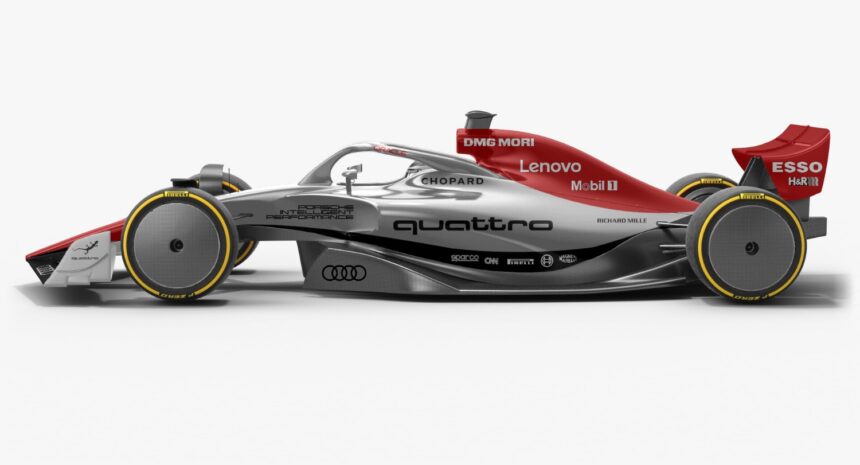
Formula 1 is resetting next year. The 2026 F1 cars abandon familiar tricks and adopt a new philosophy. Power delivery changes. Aerodynamics rethink speed. Energy strategy replaces flap-based passing. The result seems less cosmetic and far more structural. Fans, teams, and manufacturers can anticipate a sport that races differently, sounds different, and rewards different skills.
Formula 1’s evolution is compelling to technology, sustainability, and competition. The new rules modify how drivers attack, how engineers design, and how teams invest. New constructors are coming. The stakes do not waver: win, Win, WIN!
What’s Happening & Why This Matters
Power Units Rewrite Racing
The 2026 regulations transform the heart of the car. Hybrid systems dominate performance. Electric output is up to 350 kW. Internal combustion are not obsolete, yet. But their importance is diminishing. The regulations allow drivers to deploy energy tactically rather than mechanically.
Drag Reduction System (DRS, he driver-activated rear wing flap that opens on long straights for overtaking,is out. Overtake mode replaces it. When a driver runs within one second of a rival, the system releases 0.5 MJ of extra energy and sustains electric power up to 337 km/h. Above 290 km/h, electric assistance no longer fades, which keeps acceleration alive deep into straights. A second Boost mode delivers short bursts for attack or defense. Passing rewards timing, judgment, and battery discipline rather than wing geometry.
Active Aero Is Mandatory
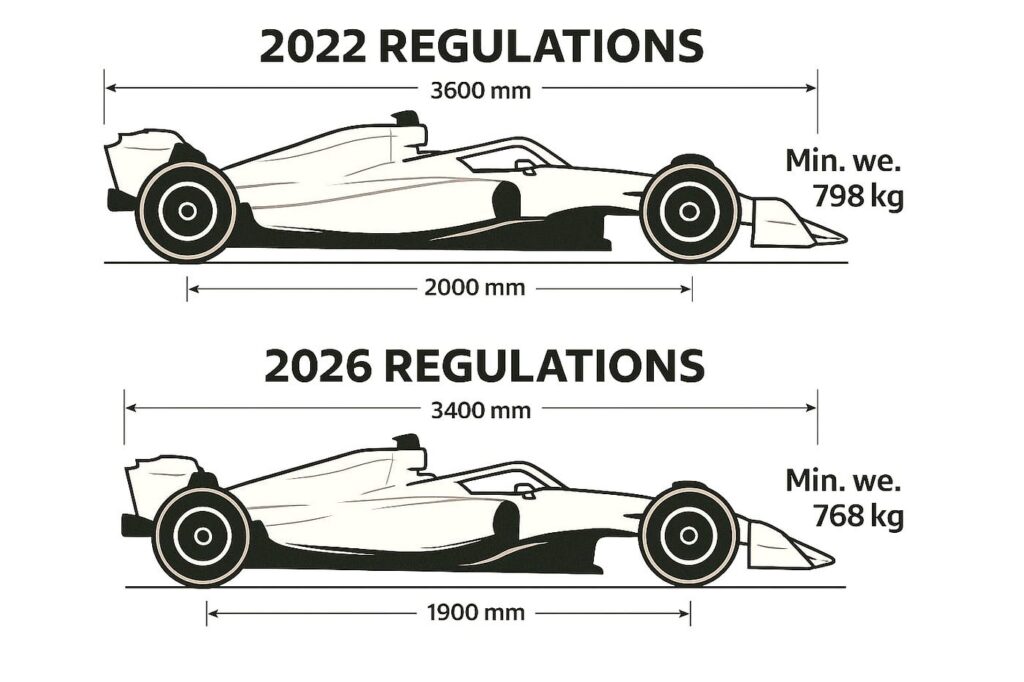
Greater hybrid dependence means aerodynamic adaptation. Engineers rely on active aerodynamics to manage drag and stability. Cars adjust bodywork dynamically to maintain pace without sacrificing efficiency. The system offsets weight and energy demands from the battery-heavy power unit.
Some critics believe the new modes and systems add complexity. Supporters argue the sport is more relevant than ever. Formula 1 leadership is staying firm. Stefano Domenicali calls the changes existential. “F1 needs to be relevant,” he explains, linking technical ambition with manufacturer confidence. New rules bring better cars, power units, and racing behavior in one sweep.
Compression Ratios Controversy
Engine design now turns microscopic. The compression ratio drops from 18:1 to 16:1 under static, ambient measurements. Thermal expansion during operation raises effective compression. Short engine strokes magnify the effect. Engineers exploit physics rather than loopholes.
The potential gain is up to 15 horsepower, enough for several tenths per lap. The FIA confirms legality under current measurement rules. Teams unable to replicate the advantage face a locked-in deficit through the season. Debate is percolating before a wheel even turns.
Fuel Rules Tighten Control
Synthetic fuels are also being adopted. Flow limits disappear. Energy caps are here. The new ceiling is 3,000 MJ per hour, reducing volume in favor of energy density. Past theories about sensor manipulation are not applicable. The FIA bans any method that alters fuel-flow meter temperature. Constructors’ innovations are more valuable than gamesmanship.
Manufacturers Flood the Grid
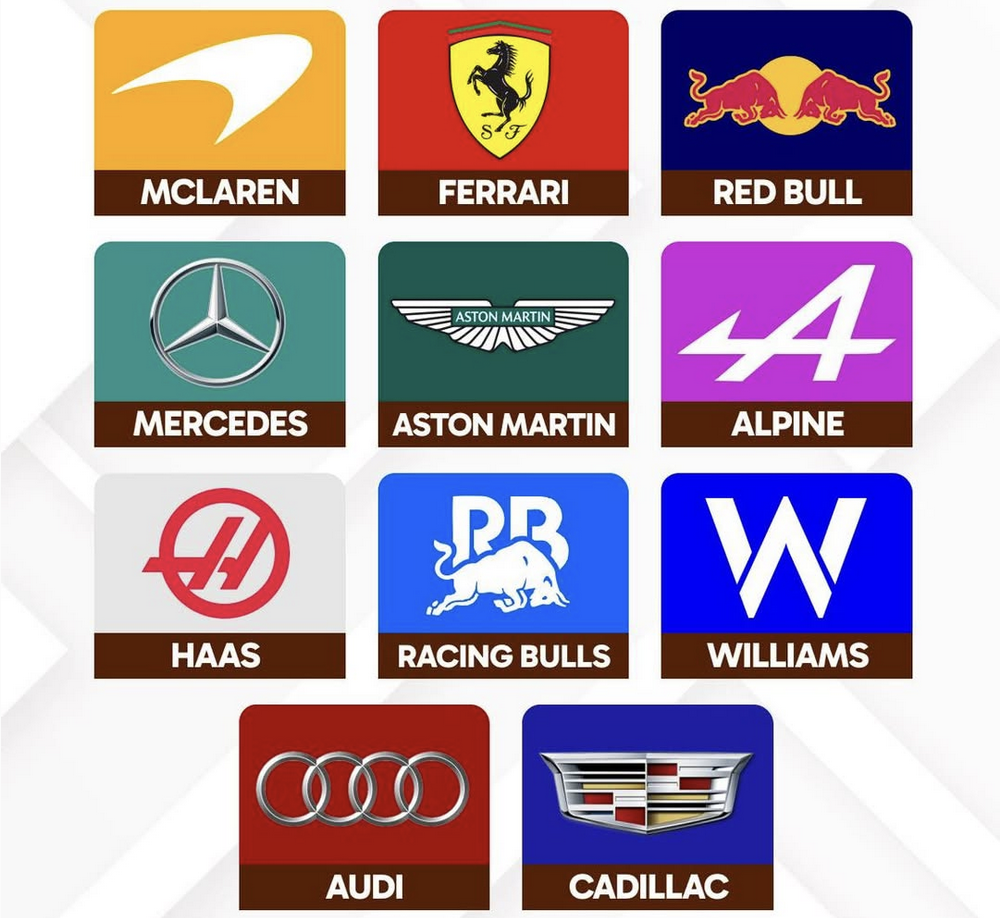
In addition to the regulation changes, F1 is attracting serious names. Audi is in. Cadillac joins as a team. Honda is recommitting after stepping back. Even Ford is partnering on hybrid systems for Red Bull operations.
The influx brings new energy and validates the rulebook. Automakers see road relevance in hybrid dominance, energy recovery, and software-led performance. Formula 1 regains status as a development lab rather than a museum piece.
Drivers’ New Rhythms
Racecraft is changing. Drivers need to manage charge, deploy boosts, and defend using energy rather than airflow. Strategy teams track joules alongside tire wear. Passing opportunities are more dynamic and deliberate. Simultaneously, mistakes carry heavier costs. Talent rises above automation.
Preseason testing opens 26 January. The first race weekend is scheduled for 6–8 March in Australia. The countdown to next-gen F1 racing is on!
TF Summary: What’s Next
The 2026 F1 cars represent a full rewrite, not a refresh, for open-wheel racing. Hybrid power looms over pace. Active aero governs efficiency. Energy strategy replaces mechanical shortcuts. Manufacturer confidence returns through technical relevance and sustainability.
MY FORECAST: Formula 1 tests whether complexity enhances competition. Early answers will be seen on the track, not in manuals or press rooms. Fans will witness a sport that thinks harder, races smarter, and demands more from every participant.
— Text-to-Speech (TTS) provided by gspeech