


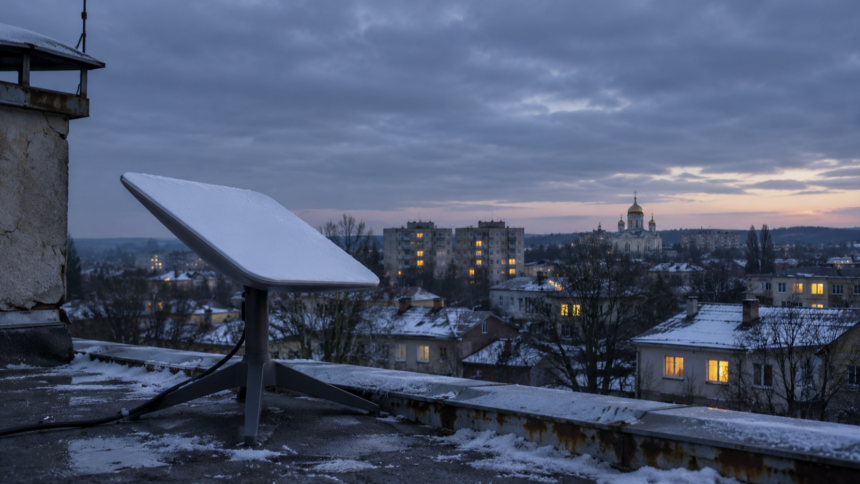
An Incoming House Intelligence Chair Demands to Know Who Throttled Ukraine’s Military Satellite Service.
The Starshield slowdown in Ukraine has prompted an incoming House chair to threaten to withhold SpaceX funding. Rep. Jim Himes wrote to SpaceX chief Elon Musk on 20 November 2026 and demanded answers.
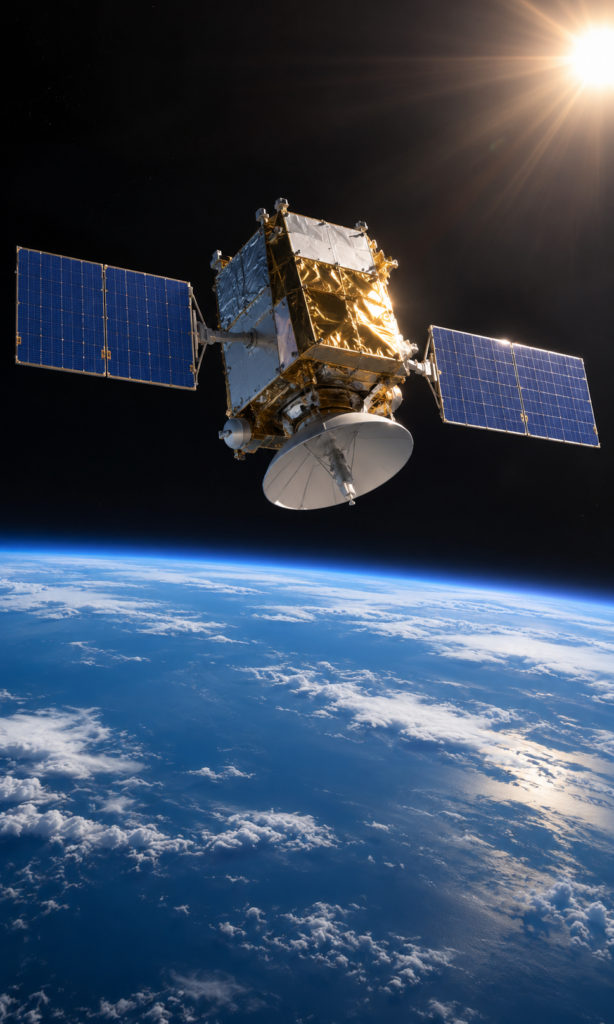
TF follows military networks because wartime users cannot test a satellite service before they depend on it. Starshield is the military version of Starlink, and Ukraine uses the service for battlefield communications.
What’s Happening & Why It Matters
Himes Puts SpaceX Funding on the Line
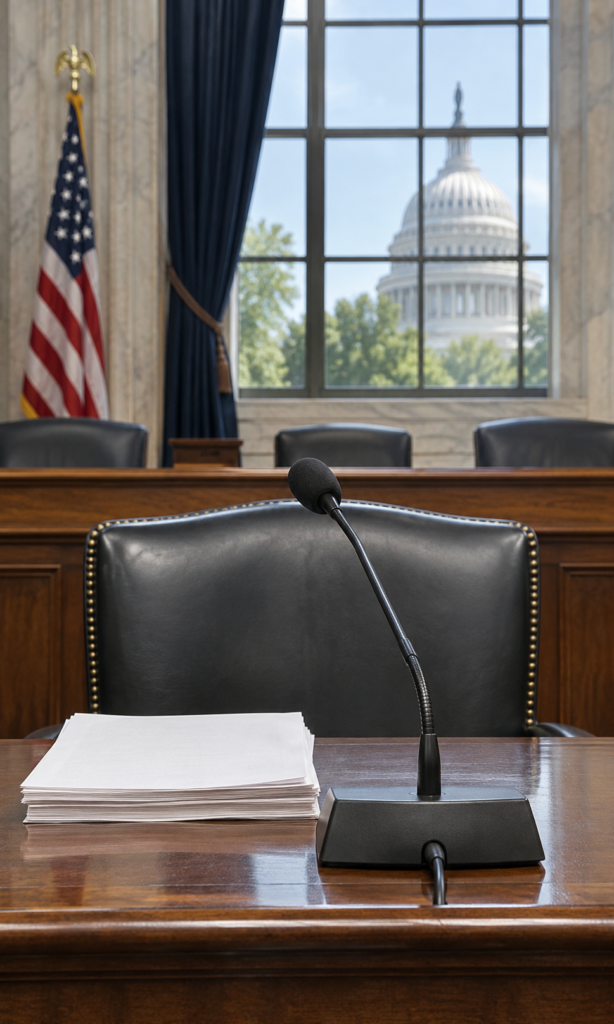
Himes, a Connecticut Democrat, takes the chair of the House Intelligence Committee in January. His party won both chambers in the November midterms. He told Musk that backing authorisation of funding for SpaceX-developed systems will be difficult without answers.
He sent a classified message to Director of National Intelligence Jay Clayton and asked Musk for a meeting. The committee, Himes says, cannot authorise money for government systems that the government does not control. He wants answers by the start of next year.
What the Slowdown Did in Ukraine
Starshield service over Ukraine was restricted in October 2026, and Ukrainian officials reported more limits in November. Kyiv’s accounts describe a speed cap: terminals stopped working above 161 kilometres per hour (100 miles per hour). The cap cut Ukraine’s ability to shoot down drones during Russian attacks.
TF’s review of the reports found no public figure for how many operations the limits affected. Reports say the terms of Ukraine’s access are classified.
Who Ordered It? Nobody Claims It
Reuters reported in mid-October that Pentagon officials received an order from inside the White House to limit Starshield. A source told CNN that SpaceX executives and defence officials told some lawmakers the same in private.
President Donald Trump has denied involvement. Secretary of State Marco Rubio said SpaceX and Musk made the decisions on Ukraine’s access. A separate report says Musk ordered the slowdown himself, and TF could not confirm that claim.
Senate Panel Prepares a Probe
The Senate Foreign Relations Committee plans an investigation once Democrats take the majority, CNN reports. Two inquiries in two chambers raise the cost for SpaceX of staying silent.
Himes has framed the question as one of control. A system that the Pentagon pays for but a contractor can throttle fails the test of a military asset.
My take: The dispute exposes a design flaw: a wartime network where nobody can say who holds the switch. If the White House gave the order, Congress should hear that on the record. If Musk acted alone, the Pentagon relies on a contractor’s mood. Either answer should change how the US writes satellite contracts.
TF Summary: What’s Next
Himes takes the gavel in January, and the Senate inquiry will follow once Democrats take the majority. Watch for a Musk meeting, a Clayton reply and any contract language on who can restrict service.
MY FORECAST: Congress will add control and disclosure terms to military satellite contracts within a year. SpaceX will publish a policy on service limits.
Related Stories
- Tech Behaving Badly #15: Rogue Agents, Memory Cartel Claims, Skimmed Sites and a Hacked FBI Database
- Outages. Disruptions Hit Apple, NSA, Banking
- Outages and AI Regulation Are the Flavour-of-the-Week
- France Blames Iran’s Revolutionary Guards for European Fridge Hacks
- California Subpoenas Nvidia as the Huang Scandal Widens