


Attackers have the capability to replicate encrypted traffic today and potentially decrypt it when quantum computers reach an advanced level, highlighting the urgency of quantum-resistant cryptography as an immediate concern.
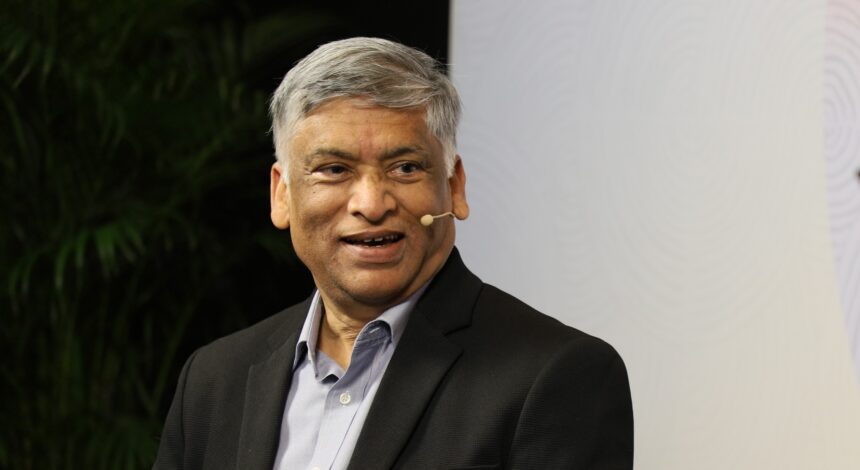
Oracle Corporation is extending its approach of embedding security controls within AI agents to encryption practices across its database systems, as explained by Vipin Samar, Senior Vice President of Software Engineering for Database Security at Oracle.
“Although we currently lack powerful quantum computers, their future emergence poses risks because attackers can currently create copies of your encrypted data,” Samar noted. “For example, I can capture your TLS 1.2 or TLS 1.3 traffic today. Once quantum technology is available, I could potentially exploit that to determine the session key and subsequently decrypt your entire sensitive data.”
Samar discussed these security implications related to quantum-resistant cryptography during an interview conducted by Dave Vellante from theCUBE Research at Oracle AI World, part of an exclusive livestream session by SiliconANGLE Media.
Quantum-resistant cryptography starts with fleet-level visibility
Oracle has introduced a new Cryptographic Posture Assessment tool within Oracle Data Safe, aimed at evaluating cryptographic configurations across database fleets and identifying vulnerabilities, such as the continued presence of TLS 1.0 and 1.1 support. Samar mentioned that AI-driven remediation features are currently in preview.
“A strong encryption standard for network traffic is futile if other components remain vulnerable,” Samar emphasized. “This becomes even more crucial with the potential arrival of post-quantum cryptography (PQC) or quantum computers, which may target any weak systems.”
Deep Data Security in Oracle AI Database 26ai enforces row- and column-level access, utilizing signed OAuth2 tokens to authenticate the end user behind AI agent-generated queries. This aligns with Oracle’s strategy of treating AI applications as standard data access points, Samar explained.
“Instead of applying security measures broadly, we focused on securing data right at the source,” Samar stated. “This approach provides robust security measures within the database, eliminating opportunities for circumvention.”
For additional insights, view the full interview, part of the comprehensive coverage by SiliconANGLE and theCUBE from Oracle AI World:
(* Disclosure: TheCUBE is a paid media partner for Oracle AI World. Neither Oracle, the sponsor of theCUBE’s event coverage, nor other sponsors hold editorial control over the content provided on theCUBE or SiliconANGLE.)