


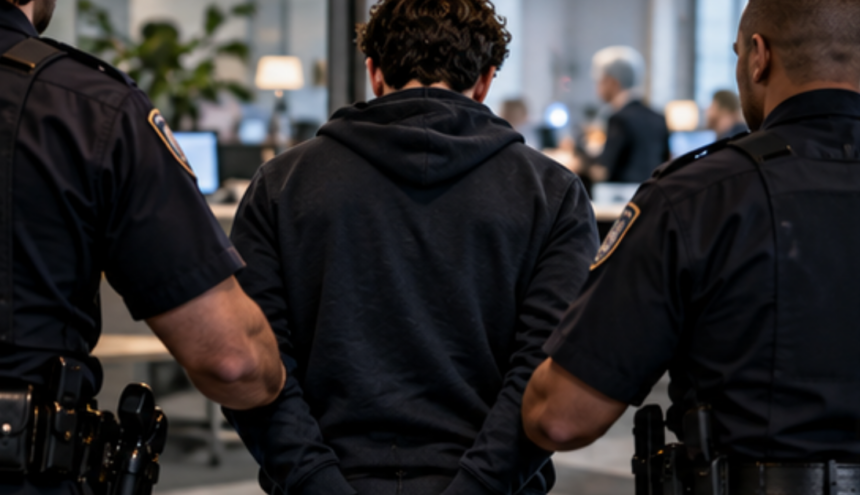
Federal prosecutors charge engineer Abdulrahman Alfozan with intercepting oral communications at OpenAI’s San Francisco office.
An OpenAI employee arrested on 9 October faces a federal charge over a hidden recorder in an executive conference room. Prosecutors name engineer Abdulrahman Alfozan, 35. They say the room hosts talks on research, products and government work. TF reviews the charge, the evidence and the company response. Prosecutors have made allegations, and he is presumed innocent.
What’s Happening & Why It Matters
The Charge
SF Standard reports a federal charge of using, or attempting to use, a device to intercept oral communications. He made a first federal court appearance on Tuesday, 13 October, and is in custody—a detention hearing before Magistrate Judge Alex G. Tse is set for 19 October.
A conviction carries up to five years in prison, a $250,000 (€222,500) fine and three years of supervised release. The National Security, Cyber & Special Prosecutions Section of the US Attorney’s Office in Northern California is handling the case.
The Device
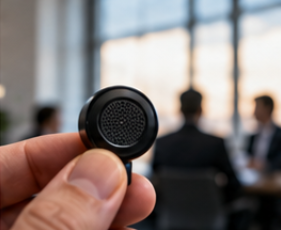
Prosecutors say a recorder sat in a USB port behind a television in an executive conference room at OpenAI’s San Francisco office. Someone hid the recorder in toilet paper and encrypted the contents. Prosecutors date the installation to about 28 September and the discovery to 30 September.
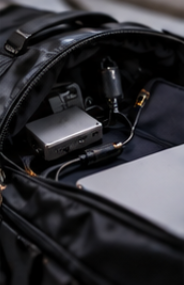
On 5 October, security found an unattended bag in a different room. The bag held Alfozan’s wallet, his ID and a second, similar recorder. Prosecutors say footage places him near the first room on several dates. He had no clearance to enter or attend meetings there.
The Evidence
The complaint says Alfozan asked a productivity tool about building addresses, room capacities, calendars and leadership meeting sites. The complaint says a chatbot account linked to him sent prompts between 24 and 30 September. The prompts covered building and hiding a continuous recorder and encrypting its storage card. Prompts on 27 and 28 September named the device model later found.

The court papers give no motive. OpenAI says the company has evidence he planned to place more devices in sensitive spaces.
OpenAI’s Response
OpenAI’s counter-surveillance team found the device in a sweep on 30 September. Staff then used OpenAI models to identify the hardware and referred the case to the FBI. The company cut his access in stages and placed him on leave. OpenAI fired him on the day of the arrest, in step with the FBI.
OpenAI sees no sign of stolen model weights, source code or customer data. US Attorney Craig Missakian calls the case a national security issue. FBI Director Kash Patel ranks the protection of US AI work among the bureau’s top counterintelligence priorities.
My take: the case shows the cheapest attack on an AI lab is a room, not a network. Labs spend large sums on cyber defences, and a USB port behind a television bypassed all of them.
TF Summary: What’s Next
The detention hearing on 19 October 2026 will test the evidence. Prosecutors have to show what, if anything, the recorders captured. OpenAI must explain how a second device got into another room. AI labs will review physical access to meeting rooms.
MY FORECAST: Prosecutors will add charges or seek a grand jury indictment within weeks. Rival labs will order sweeps of executive meeting rooms. Insurers will ask AI labs about physical security. The case will shape how Congress views counterintelligence at AI companies.
Related Stories
- TF Cybercrime Round-Up: 6-11 October 2026
- Microsoft’s Nadella and Smith Call for an AI Emergency Brake
- Meta Releases Muse Wonder, Its First Frontier AI Model