


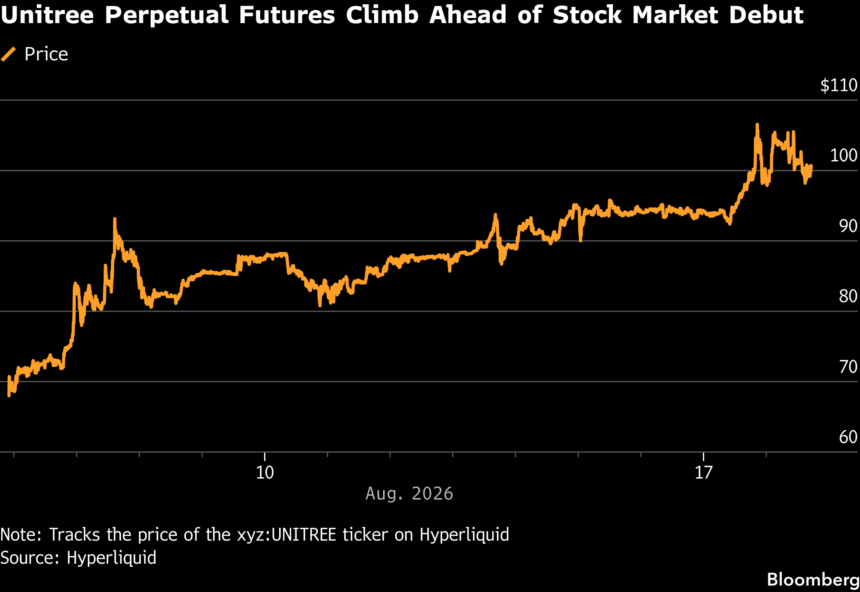
Priced at $22 a share. Traded as high as $163. Oversubscribed more than 8,000 times, a record for Shanghai’s tech exchange. Two months ago, the US banned Unitree’s robots outright. Wednesday, Chinese investors decided that ban doesn’t matter.
Unitree went public in Shanghai Wednesday, and the market response was extraordinary. Shares closed up 600% over the IPO price of $22.30, having touched an intraday high of $163.10 before settling around $125.40 on the tech-focused STAR Market — China’s answer to Nasdaq. The company’s market value neared $50 billion by day’s end. It’s the first mainland Chinese listing by a humanoid robot maker, and the offering was oversubscribed more than 8,000 times, a record for the exchange. Global strategist Stephen Innes at Quintex Intel called it “the market firing a flare gun over China’s next speculative frontier.”
What’s Happening & Why It Matters
A Company Most People Know From Kung Fu
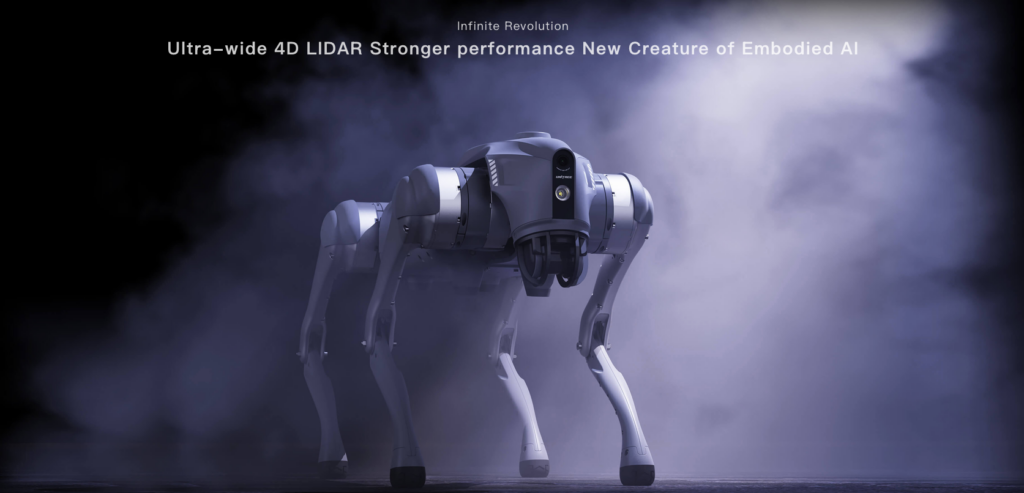
Unitree’s public profile didn’t come from earnings calls. It came from a Lunar New Year gala performance where its androids, dressed in traditional Chinese vests, danced and did kung fu in front of the country’s most-watched annual television broadcast. Founder Wang Xingxing has since sat beside President Xi Jinping at meetings with China’s top tech executives, and hosted German Chancellor Friedrich Merz on a factory visit in February.
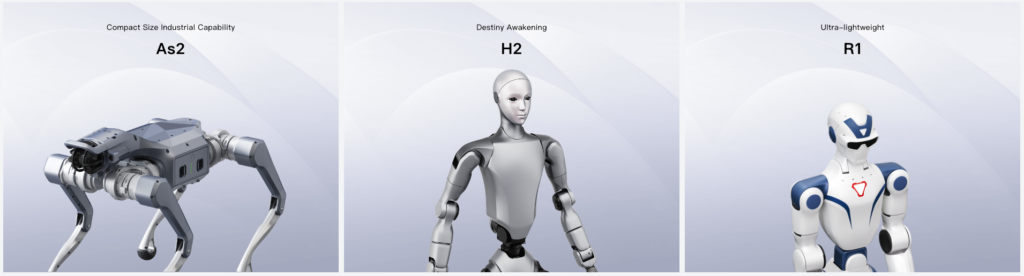
Days before Wednesday’s debut, Unitree unveiled a new humanoid called “Superman,” capable of clearing a two-meter jump and running 13 meters per second — faster than Usain Bolt’s world-record pace sustained over 100 meters, if it could hold that speed that long. Founded in Hangzhou in 2016 with just $13,800 in registered capital, the company shipped more than 5,500 humanoid robots last year and turned a net profit of 278 million yuan in 2025 — a rare achievement in a sector still burning cash.
None: The Ban’s Impact on the Price
Here’s what makes Wednesday’s rally strange, given the timing. As TF reported in The Humans Are Dead #6: The Resistance Mounts, the US banned imports of foreign-made humanoid and quadruped robots in July, a policy aimed at companies like Unitree. In June, Unitree was added to the Pentagon’s list of Chinese military-linked companies and barred from any US government business. More than 40% of Unitree’s revenue comes from overseas, and the company’s own prospectus warns it “may be unable to sustain rapid growth in overseas sales” if the restrictions continue.
None of that showed up in Wednesday’s trading. Investors priced the stock as though the domestic and Chinese-aligned export markets — Southeast Asia, the Middle East, parts of Europe — more than offset whatever the US market closure costs. A partnership with Nvidia announced in June for joint AI research signals Unitree’s own awareness of where its technical gaps sit relative to American rivals. Whether that partnership survives escalating US-China tech restrictions is a separate question the market didn’t seem to weigh either.
China’s Third Blockbuster Tech Listing
Unitree’s debut isn’t an isolated event — it’s the latest in a pattern. As TF covered in Chinese Memory Chipmaker CXMT Surges on Stock Market Debut, memory chipmaker CXMT posted its own blockbuster Shanghai listing just last month. Between CXMT and Unitree, China’s STAR Market has produced two of the year’s most dramatic tech debuts globally, both riding the same wave: Beijing’s push to demonstrate domestic AI and hardware capability can match or beat anything coming out of Silicon Valley.
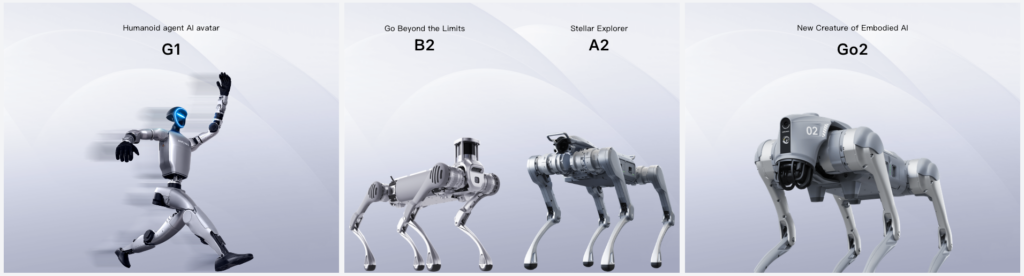
Research and educational institutions still account for the majority of Unitree’s sales, with industrial deployment under 10% through the first three quarters of 2025, according to the company’s own earlier filing. That’s worth sitting with. A $50 billion valuation is pricing in a commercial future that, by Unitree’s own numbers, hasn’t arrived yet.
TF Summary: What’s Next
Unitree’s shares are subject to continued volatility as trading normalizes beyond the debut-day surge. The company’s overseas revenue exposure, particularly to the US market, is constrained by the July import ban with no confirmed timeline for resolution. Unitree’s Nvidia partnership continues, with no public update on its scope or deliverables since the June announcement.
MY FORECAST: Expect Wednesday’s 600% pop to compress over the coming weeks, following the same pattern TF documented with CXMT’s own debut-day enthusiasm cooling as price discovery took hold. The US import ban is the real constraint to watch. A company deriving more than 40% of revenue from overseas markets, locked out of its largest single market by policy rather than competition, faces a structural ceiling no domestic IPO enthusiasm can paper over. Watch whether Unitree pivots harder toward Southeast Asia, the Middle East, and Europe to offset that gap — and whether Boston Dynamics or Tesla’s Optimus program uses the US ban as breathing room to close the pricing and capability gap Unitree holds over them.
Related Stories
- The Humans Are Dead #6: The Resistance Mounts
- Chinese Memory Chipmaker CXMT Surges on Stock Market Debut
- New AI Model Gives Humanoid Robots a 90% Success Rate on Complex Tasks