


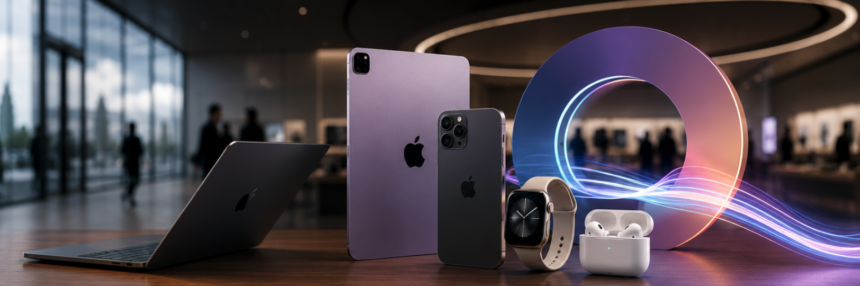
Klarna is the financial backer. AppleCare is gone from the bundle entirely. And the launch is exactly one month after Apple raised Mac and iPad prices, citing memory costs. Apple is betting a leasing model keeps monthly payments manageable — even as sticker prices climb.
Apple Upgrade’s launch is scheduled for 28 July in the United States, according to Bloomberg’s Mark Gurman, citing people with insider knowledge. Apple is preparing to replace its long-running iPhone Upgrade Program with a leasing service. The new program will cover most iPhone, Mac, iPad, and Apple Watch models — not just phones. Apple is partnering with Klarna Group, the buy-now-pay-later fintech company, as the financial backer for the new programme. Apple will stop accepting new enrollments in the current iPhone Upgrade Program and standard iPhone financing once the new service goes live. The report calls it “one of the biggest-ever changes to how the company sells devices.”
What’s Happening & Why It Matters
How Apple Upgrade Works?
Apple Upgrade’s launch introduces a structure closer to vehicle leasing than to traditional phone financing. Apple Upgrade functions like a subscription — users pay a monthly fee for their device and can pay off the balance early. Alternatively, they can trade up to a newer model before the term ends or keep the hardware once the leasing period concludes. Lease terms vary by device category: iPhones and Apple Watches run for 24 months, while Macs and iPads carry 36-month terms. Customers will undergo a soft credit check before approval.
By contrast, a genuinely notable departure from the current programme is what’s missing. Apple Upgrade does not include AppleCare coverage. The existing iPhone Upgrade Program bundles AppleCare+ directly into monthly payments — the new leasing plan drops that protection entirely. This means customers who want device coverage will need to purchase it separately, on top of their lease payment.
Who’s Excluded?

Apple Upgrade’s launch carves out specific product categories entirely. The Apple Watch SE, base-model iPad, iPhone 16, and MacBook Neo are not eligible for the programme. Business and education purchases are barred outright. That is because those channels already carry separate pricing structures, purchasing controls, and volume-buying arrangements that a consumer leasing model isn’t designed to accommodate.
That exclusion pattern reveals something about Apple’s targeting. The devices left out are consistently Apple’s entry-level or budget-tier products. This is precisely the category where a leasing model’s monthly payment offers the least meaningful benefit over simply paying outright. Apple Upgrade is built around higher-priced flagship hardware. In those cases, spreading cost over 24 or 36 months genuinely changes a customer’s purchase decision.
One Month After Apple Increased Device Prices
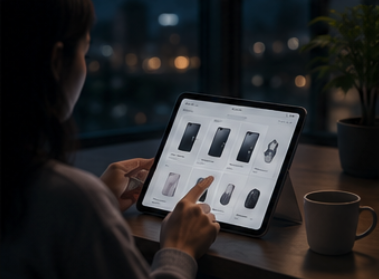
Apple Upgrade’s launch arrives precisely one month after Apple raised prices on Macs and iPads, citing rising component and memory costs — as TF covered extensively in its Apple, Microsoft, Sony price increases article. That sequencing is not coincidental. Apple Upgrade is positioned specifically as a way to keep monthly payments manageable despite those increases. The company is marketing the programme as offering lower payments than existing financing options.
Apple has not changed iPhone or Apple Watch prices so far, though new versions of both devices are expected in the fall. Analysts are observing whether those launches bring the same cost increases that have already fallen on Macs and iPads. A leasing model that smooths a higher sticker price into a manageable monthly figure is particularly useful when underlying hardware costs are rising across the board.
A Second Attempt
Apple Upgrade’s launch revives an ambition Apple had previously abandoned. Apple had explored building its own in-house hardware subscription service for years — Bloomberg first reported that initiative back in 2022 — but Gurman reported the company shelved the plan in 2024. That decision followed delays tied to software development and regulatory complications. Partnering with Klarna rather than building the payment infrastructure internally resolves precisely the obstacle that reportedly killed the earlier, fully in-house version.
Additionally, Apple is not the first major hardware maker experimenting with the exact model. Samsung introduced its own upgrade plans in 2016, popular particularly in Korea and Europe. More recently, Samsung launched an “AI Subscription Club” letting Korean customers subscribe to a Galaxy S25 for a fixed monthly fee. Google tested a comparable bundled programme called Pixel Pass in 2021, but ended it after two years due to low consumer interest. This is a reminder that device leasing has a genuinely mixed track record across the industry, not a guaranteed path to success.
TF Summary: What’s Next
Apple Upgrade launches in the US, available through both online and physical retail stores. Apple will stop accepting new enrollments in the current iPhone Upgrade Program once the new service goes live. Existing enrollees are expected to continue under their current terms. No international rollout timeline has been confirmed. Apple has not commented publicly on the reported programme ahead of its official launch.
MY FORECAST: Apple Upgrade’s launch will succeed specifically because it solves the exact problem Apple’s own pricing decisions created. A leasing model that smooths higher Mac and iPad costs into a predictable monthly figure directly addresses the sticker shock TF documented following June’s price increases. By contrast, dropping AppleCare from the bundle is the detail most likely to generate customer confusion and complaints at launch. That is because the current iPhone Upgrade Program’s bundled coverage has trained customer expectations over the past decade. Expect Apple to expand the excluded-device list to include new autumn iPhone and Apple Watch releases if those products carry the price increases analysts are already anticipating. This is precisely the scenario where a leasing model is commercially most valuable to Apple’s sales strategy.
Related Stories
- Apple, Microsoft, and Sony Raise Device Prices — AI-Driven Memory Shortage Is the Cause
- Tim Cook Confirms Apple Price Rises — Memory Crunch and Intel’s US Chips Are Why
- Apple Broadcom $30 Billion Chip Deal — US Manufacturing