


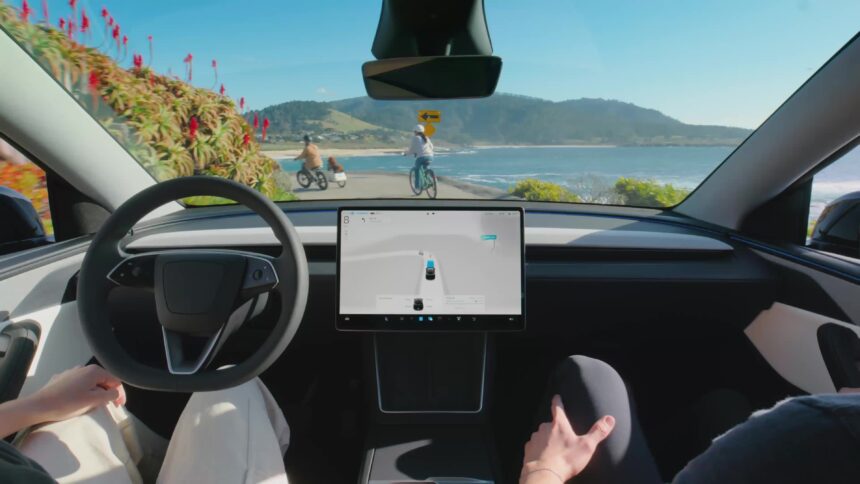
A Model Y on alleged Autopilot drove through a brick wall in Katy, Texas on June 19 — killing 76-year-old Martha Avila Mantilla in her own living room. A separate Tesla drove into a public swimming pool in Connecticut three days earlier. NHTSA is federalising both investigations. Three concurrent federal probes of Tesla FSD are open.
The Tesla FSD federal investigation expanded after two separate and striking incidents boosted the story beyond the engineering analysis stage and into the public consciousness. Federal safety regulators are investigating the fatal Tesla crash in Katy, Texas, where a Model Y left a residential road, tore through a brick home, and killed a 76-year-old woman inside. Driver Michael Butler told deputies his car was on Autopilot at the time of impact. The Harris County Sheriff’s office said the Tesla was being driven “with an automated driving assistance system” when it entered the residence at high speed, striking Martha Avila Mantilla. Additionally, on 16 June, a separate Tesla drove through a perimeter fence and into the Steve Benko Pool in New Canaan, Connecticut. Multiple lifeguards entered the pool to assist the male driver out of the vehicle. He was the sole occupant and was not seriously injured. Both incidents are inside an already active federal investigative framework.
What’s Happening & Why It Matters
Three Concurrent Federal Probes — What Each Covers
The Tesla FSD federal investigation is not a single inquiry. This makes the third concurrent federal investigation into FSD. NHTSA is already running a separate probe into 58 incidents involving traffic violations like running red lights and crossing into opposing lanes, plus a separate inquiry into Tesla’s crash reporting practices.
The primary Engineering Analysis — designated EA26002 — covers approximately 3,203,754 Tesla vehicles, including 2016–2026 Model S and X, 2017–2026 Model 3, 2020–2026 Model Y, and 2023–2026 Cybertruck models equipped with FSD. NHTSA upgraded the probe from a Preliminary Evaluation to an Engineering Analysis on March 18 — the step that typically precedes a recall. The Texas house crash adds a fatality to an already active federal docket.
What the Camera-Only System Actually Failed to Do
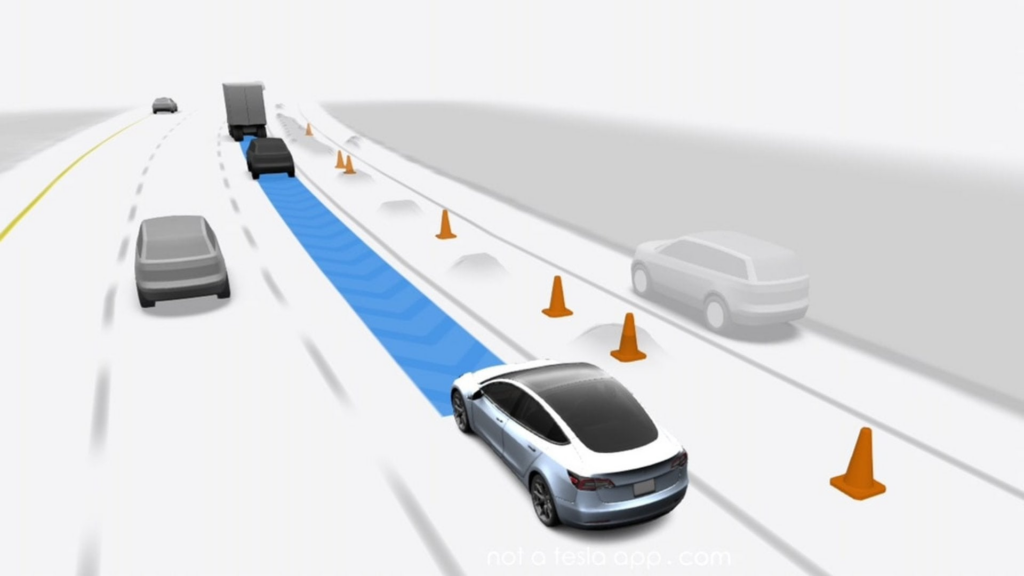
The root cause behind EA26002 is specific. Available incident data raise concerns that Tesla’s degradation detection system fails to detect and/or warn the driver appropriately under degraded visibility conditions such as glare and airborne obscurants. In the crashes reviewed, the system did not detect common lead vehicles in its path.
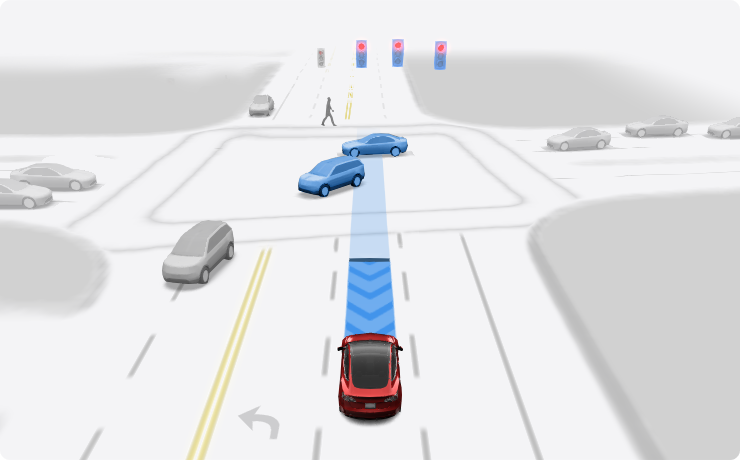
The NHTSA notes that Tesla says internal data and labelling limitations have prevented uniform identification and analysis of crash events with the system engaged — meaning there is a possibility of under-reporting crashes. That under-reporting allegation is the most legally damaging element of the investigation. Tesla counts a crash as involving FSD only if FSD was active at the time of crash or within five seconds before — while NHTSA’s Standing General Order uses a 30-second threshold. That gap is not a minor definitional difference. It systematically removes crashes from Tesla’s reported totals.
Senators Markey and Blumenthal Demand Answers by 7 July
Senators Edward J. Markey and Richard Blumenthal sent a letter to NHTSA Administrator Jonathan Morrison on June 16, demanding that NHTSA properly and fully investigate Tesla’s FSD technology. Their core allegation is direct. Tesla has claimed its FSD technology is safer than human driving — but those claims are based on misleading data analysis, comparing unlike crash outcomes, comparing new vehicles to the entire US vehicle fleet, and relying on incomplete crash data.
The senators asked NHTSA specific questions. Has NHTSA independently evaluated Tesla’s public FSD safety claims — including claims that FSD is seven or ten times safer than human driving — for statistical validity or methodological soundness? They requested answers by 7 July 2026. Meanwhile, ten of eleven researchers who reviewed Tesla’s safety methodology told Reuters it read more like marketing than genuine safety analysis.
The Texas Crash: 60–70 MPH Down a Residential Street
The Katy, Texas crash is the most damaging single incident in the current investigation cycle. A Model Y doing 60 to 70 mph down a residential street missed a turn and went through the front of a house. Butler allegedly failed to drive in a single lane, left the roadway, and struck the residence. Investigators said he showed no signs of intoxication and was cooperating with authorities. No charges have yet been filed.
If the car was driving itself, this is a catastrophic failure. If it wasn’t, it’s a driver who badly misjudged what his car was doing — and the question is why he believed it would make that turn for him. The data recorder will settle that question. NHTSA getting involved means that data is far more likely to become public. Martha Avila Mantilla — 76 years old, standing in the front room of her family’s home when the car came through the wall — is the first fatality directly attached to the current Engineering Analysis.
The Connecticut Pool Crash — Different Facts, Same Pattern
The New Canaan pool incident is separately significant. The operator reported he was trying to park the vehicle when it accelerated through the pool perimeter fence and into the pool shortly after 10:30 a.m. The pool was closed, and no bystanders were injured. By contrast, the pattern is familiar — a Tesla in a parking or low-speed manoeuvring context that accelerated unexpectedly into a physical boundary. Whether that is FSD engagement, a pedal input error, or another fault is under investigation.
TF Summary: What’s Next
NHTSA’s Engineering Analysis EA26002 continues. The data recorder from the Texas crash will determine whether FSD or Autopilot was actively engaged. Senators Markey and Blumenthal’s deadline for NHTSA responses is 7 July. Tesla faces a potential recall demand covering more than 3.2 million vehicles if NHTSA’s Engineering Analysis produces an influence letter. No charges have been filed against either driver in either incident.
MY FORECAST: The Tesla FSD federal investigation will produce a formal NHTSA recall demand before the end of 2026. EA26002 is the final investigative stage before the agency issues an influence letter. The Texas fatality accelerates that timeline by attaching a public death to a probe already in its final phase. By contrast, Tesla will contest any recall demand aggressively — as it has every previous NHTSA recommendation. That legal and regulatory battle will extend into 2027. The commercial consequence arrives before the legal one. Every quarter Tesla’s FSD safety data is contested, enterprise fleet operators and insurance underwriters will apply higher risk premiums to Tesla vehicles. The $243 million Autopilot verdict in Miami — as TF previously noted — cost far more than settlement would have. NHTSA’s investigation will eventually cost even more.