


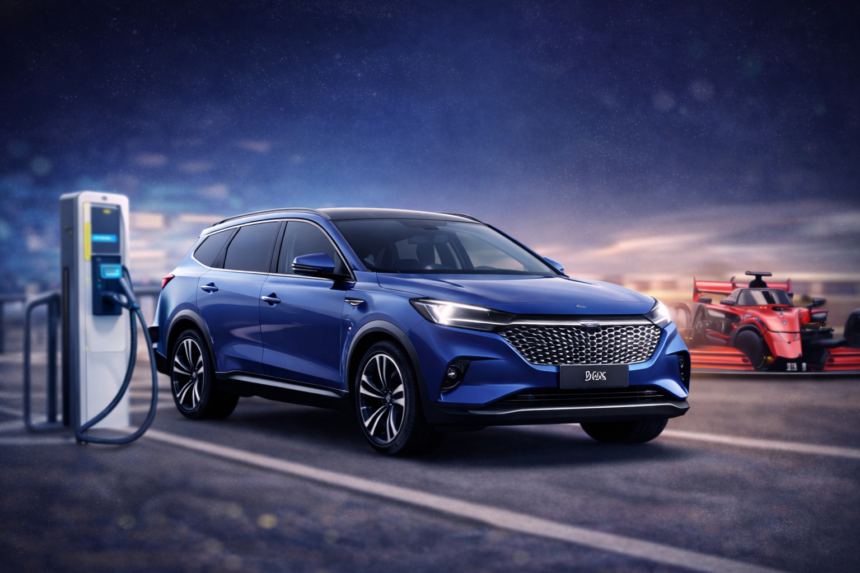
The car world is trying everything: faster charging, colder-weather batteries, flatter hydrogen tanks, and Formula 1 hybrids that still need a rescue plan.
Car technology is having one of those weeks where the future arrives from four directions at once. BYD is pushing ultra-fast charging deeper into the SUV market. BMW is making a fresh case for hydrogen without eating cabin space. CATL and CHANGAN are turning sodium-ion batteries from a lab talking point into a real passenger car story. And Formula 1 is trying to fix a 2026 hybrid rule set that is making drivers and fans miserable.
That sounds scattered. It is not. The auto industry is running one giant experiment around the same question: what kind of powertrain will actually work best in the real world? Batteries still lead. Hydrogen refuses to die. Racing is still acting as a pressure cooker for bad engineering choices. And the biggest winners may be the companies that solve the boring parts first, like charging time, cold-weather performance, packaging, and energy management.
What’s Happening & Why This Matters
BYD: Beating Range, Charging Speed, and Price
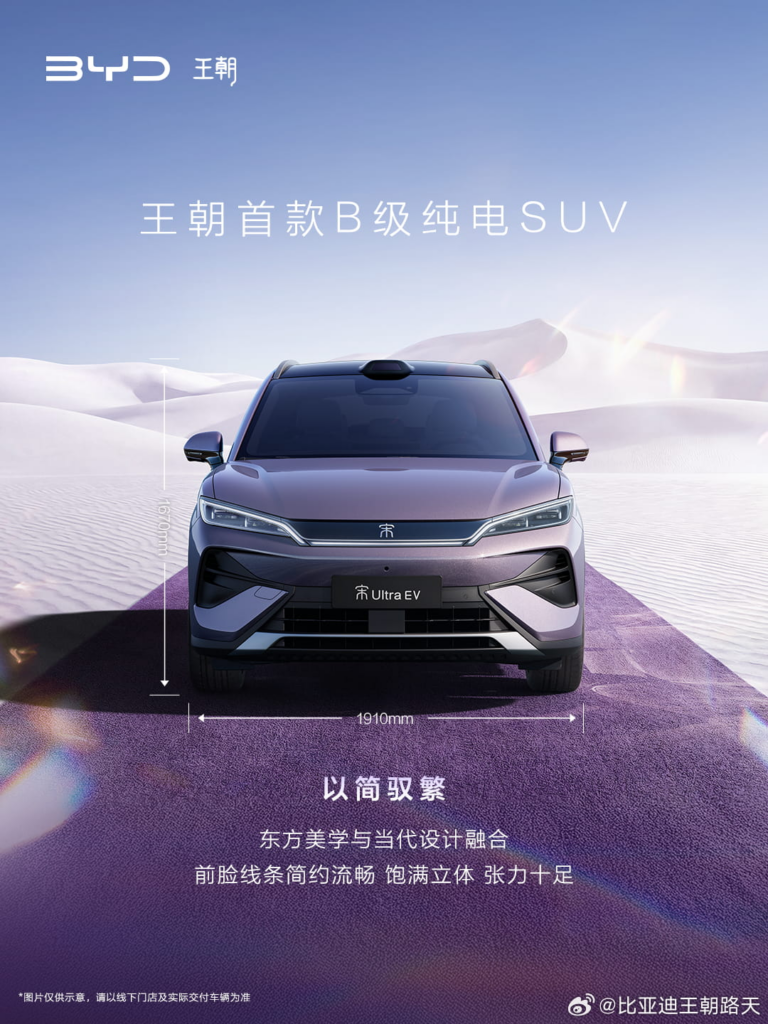
BYD did not ease into 2026. The world’s fastest-growing car company unleashed the Song Ultra EV — a mid-sized family SUV boasting its new 5-minute Flash Charging technology and a second-generation Blade Battery. The numbers are hard to argue with.
The Song Ultra charges from 10% to 70% in just five minutes using Flash Charging technology at BYD’s charging sites, which support speeds of up to 1,500 kW. A single rear-mounted motor delivers 270 kW (362 hp), and range tops out at 605–710 km (376–441 miles) on the NEDC test cycle. Real-world WLTP range is more likely to fall within the 500–580 km (310–360 miles) bracket — still class-leading for the price.
Around 70% of buyers opted for the longer-range 82.7 kWh pack, with strong interest in the fast-charging capability. BYD’s store visits climbed 40% in the 72 hours after launch. The market responded before the ink on the press release dried.
Customers reported better-than-expected ride and chassis quality. Inside, the Song Ultra features a 15.6-inch central infotainment screen, a 10.25-inch driver cluster, and a 26-inch head-up display. For a vehicle starting at 151,900 yuan ($22,000 / €20,200), that specification list belongs in a segment costing considerably more.
BYD is not just selling cars. It is engineering a case study in mass-market EV dominance — price aggression, charging infrastructure, and technology deployment running in parallel.
Sodium-Ion Batteries: Now in Real Cars
For years, sodium-ion batteries sounded like one more “maybe later” technology. Not anymore.
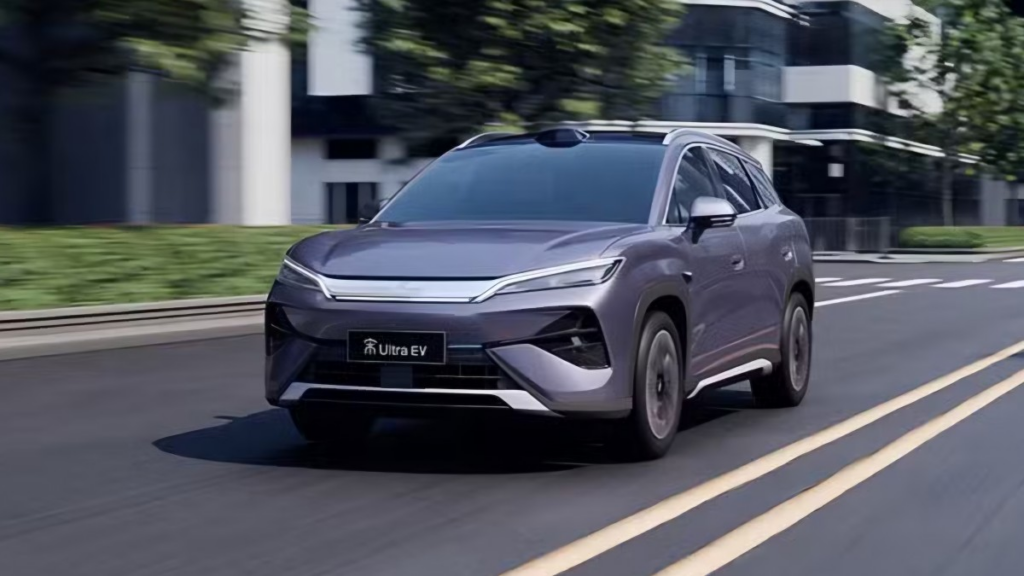
In February, CATL and CHANGAN unveiled what they described as the world’s first mass-production passenger vehicle with a sodium-ion battery, with market arrival set for mid-2026. CATL says the battery is part of its Naxtra lineup and signals a “dual-chemistry” future where sodium-ion and lithium-ion packs live side-by-side instead of fighting for one winner-take-all slot.
The most interesting part is a use case. Sodium-ion batteries are not replacing every lithium pack tomorrow. They are attractive because sodium is more abundant, the chemistry can be safer, and cold-weather performance can be much stronger. One widely cited figure says the pack retained more than 90% of its usable capacity at -40°C (-40°F), far better than many current EV buyers would expect from mainstream battery tech.
Those factors play significantly in colder markets where EV range drops and public confidence declines with it. Sodium-ion is not the glamour battery. It may become the practical battery for affordable cars, battery swapping, fleet vehicles, and regions where winter still bullies electrification.
The big limitation is energy density. Sodium-ion still trails the best lithium-based packs there, so range and weight trade-offs do not disappear. Still, once the technology enters real passenger vehicles, the conversation changes. It stops being theoretical.
BMW: Is Hydrogen Still an Option?
Hydrogen cars have spent years living in the shadow of battery EVs. BMW clearly thinks there is still an opening.
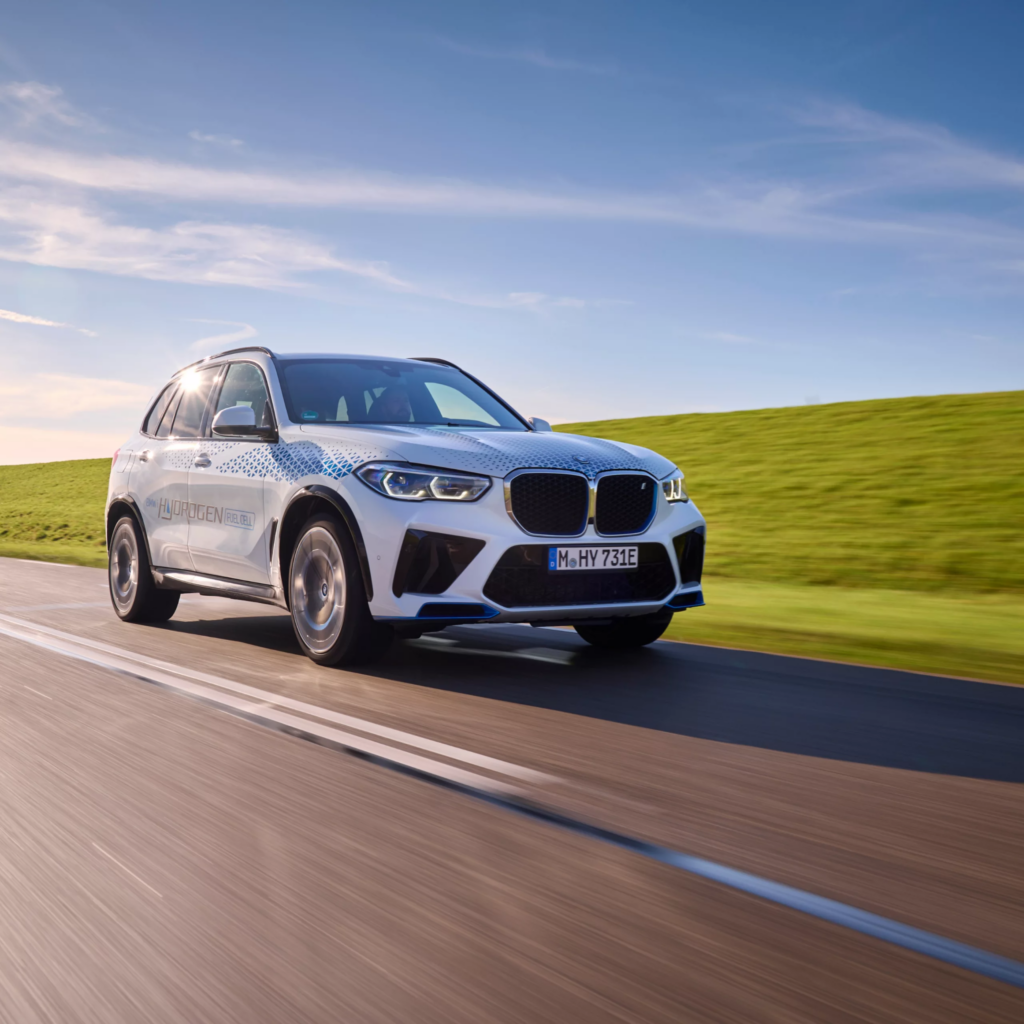
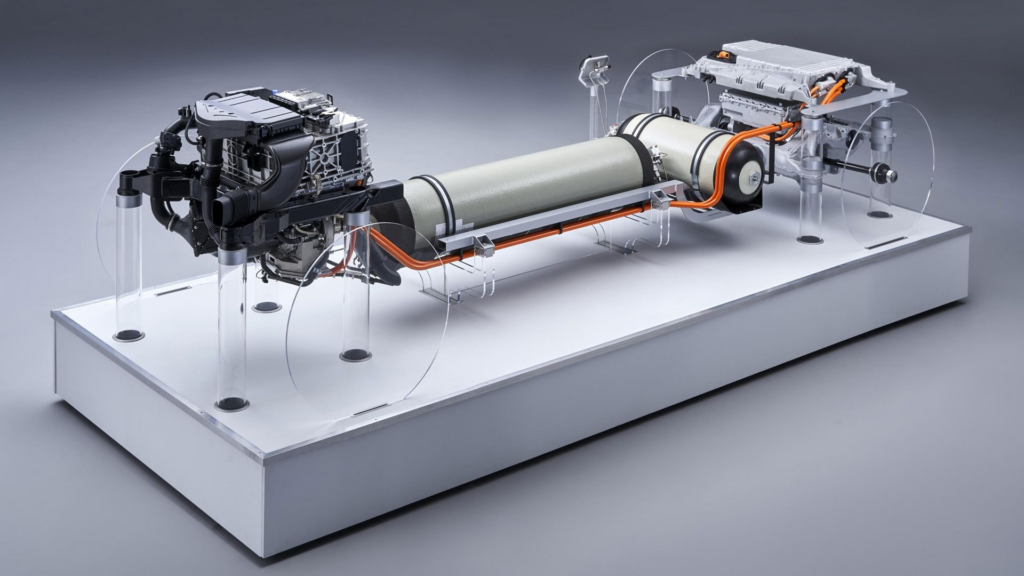
The company has revealed new details around the upcoming iX5 Hydrogen, which uses a new Hydrogen Flat Storage system. Instead of bulky individual tanks eating up space, BMW says the design uses seven carbon-fiber high-pressure tanks connected in parallel inside a robust frame. The company says the system stores about 7 kilograms of hydrogen, supports refueling in under 5 minutes, and delivers a range of up to 750 km (466 miles) under BMW’s stated figure, with about 385 miles (620 km) cited in reporting.
The packaging point is the real story. BMW says the new flat storage design fits into the same footprint as its Gen6 battery package, which means the hydrogen version can preserve cabin space and even share a production line with other X5 powertrain variants. That is a smart engineering pitch because hydrogen’s biggest consumer problem has never been only fueling infrastructure. There has been a sense that hydrogen vehicles demand too many compromises for too little market payoff.
BMW wants to kill that objection. The company is basically saying: you can have emissions-free electric driving, long range, fast refueling, and a normal-looking premium SUV.
That is the good news. The bad news is that the market still has not proven it wants hydrogen at scale. Infrastructure is thin, green hydrogen is limited, and battery EVs keep getting better faster than hydrogen advocates would like.
F1: Clever Hybrid Doesn’t Mean Good Racing
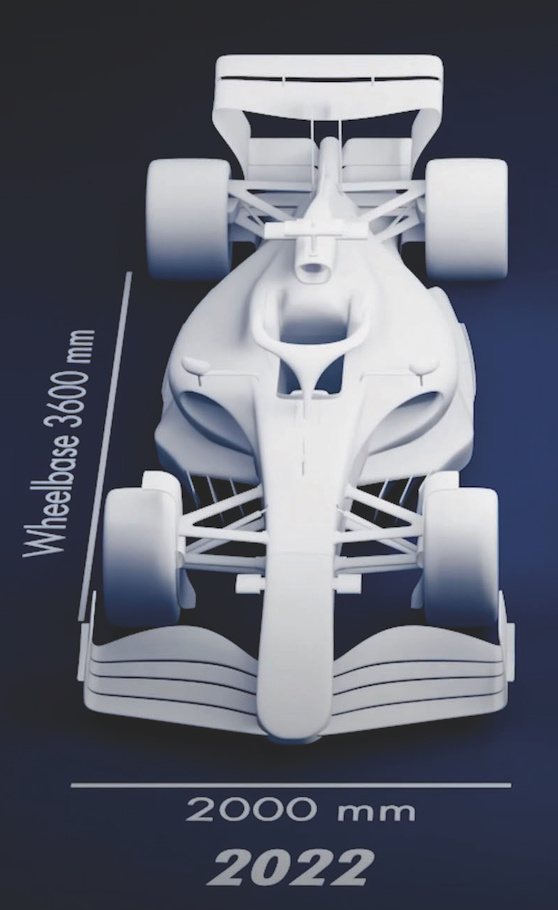
If the road-car world is trying to solve consumer problems, Formula 1 is trying to solve its own self-inflicted engineering wound.
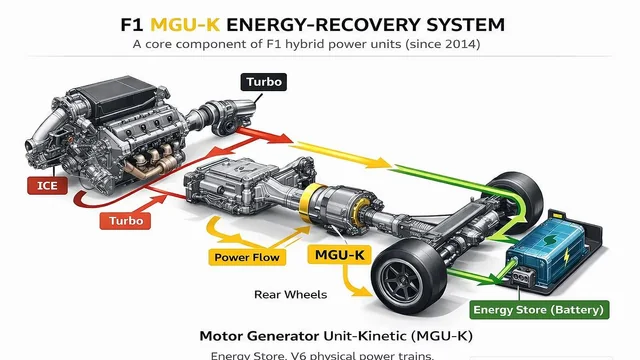
The sport’s 2026 hybrid rules are creating ugly side effects. The new power units combine a 1.6-liter turbocharged V6 making 400 kW (536 hp) with an electric motor-generator unit that can deliver up to 350 kW (469 hp) from a 4 MJ (1.1 kWh) battery. That sounds advanced. On track, it has produced weird energy-starved behavior, including heavy lift-and-coast, dangerous speed differentials, and software-controlled power deployment that can leave drivers with anywhere from roughly 200 kW (268 hp) to 750 kW (1,005 hp) depending on what the system is doing. (arstechnica.com)
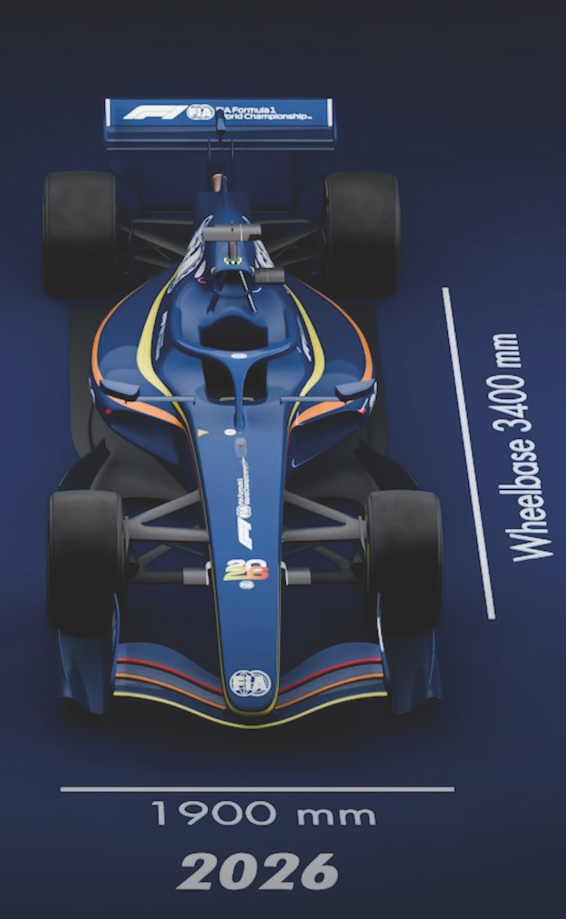
That is a mess for a sport built on driver control. One of the loudest complaints is that software is deciding too much of the throttle-to-power relationship. At Suzuka, drivers were lifting through fast corners in ways many fans found painful to watch. During races, speed gaps of up to 70 km/h (43 mph) have raised safety concerns.
The FIA and teams are discussing tweaks. Options reportedly include limiting the deployment of electrical power in qualifying and changing how quickly cars can recharge during races. A larger battery would help, but current chassis packaging leaves little room for that fix without major redesign.
Hybrid systems can appear brilliant on a rules sheet and still fail in motion. Good engineering does not only mean efficiency. It means the system behaves in ways humans can use, trust, and enjoy.
The Real Trend Is Not One Winner. It Is Powertrain Fragmentation.
Put the four stories together, and the bigger trend is obvious. The auto world is not converging neatly on one answer.
Battery EVs still dominate the mainstream future, especially when companies like BYD keep cutting charging pain and driving prices lower. Sodium-ion batteries add a new energy branch that may prove especially useful for cheaper cars and colder climates. Hydrogen is a niche, but BMW is trying to make the niche more credible by solving the packaging and refueling angles. Racing, meanwhile, is proving that even high-end hybrids can stumble when theory outruns driver reality.
That fragmentation is not weakness. It may be maturity.
Different markets need different answers. A city car in winter may need one chemistry. A luxury SUV buyer may care about refill time and space. A race car has very different priorities from a family crossover. The future is less a single grand winner and more a layered stack of technologies competing across use cases.
That may frustrate people who want a simple headline. It is probably closer to the truth.
TF Summary: What’s Next
The latest car tech stories show an industry still experimenting hard. BYD is trying to shrink EV hesitation with ultra-fast charging and aggressive pricing. CATL and CHANGAN are placing sodium-ion batteries into real passenger vehicles, especially for markets where cost and cold-weather performance matter. BMW is giving hydrogen a smarter packaging story with flat tanks and quick refueling. F1 is proving that hybrid ambition still needs human-centered execution if the result is going to work on track. (electrek.co)
MY FORECAST: Batteries will continue to dominate the public market, but the battery story itself will split into more branches. Sodium-ion will gain ground in practical, lower-cost segments. Hydrogen will stay niche unless infrastructure improves much faster. Racing will keep exposing the weaknesses of over-complicated hybrid logic before road cars do. The next winners in car tech will not only build cleaner drivetrains. They will make them easier to live with, package, and trust.
— Text-to-Speech (TTS) provided by gspeech | TechFyle