


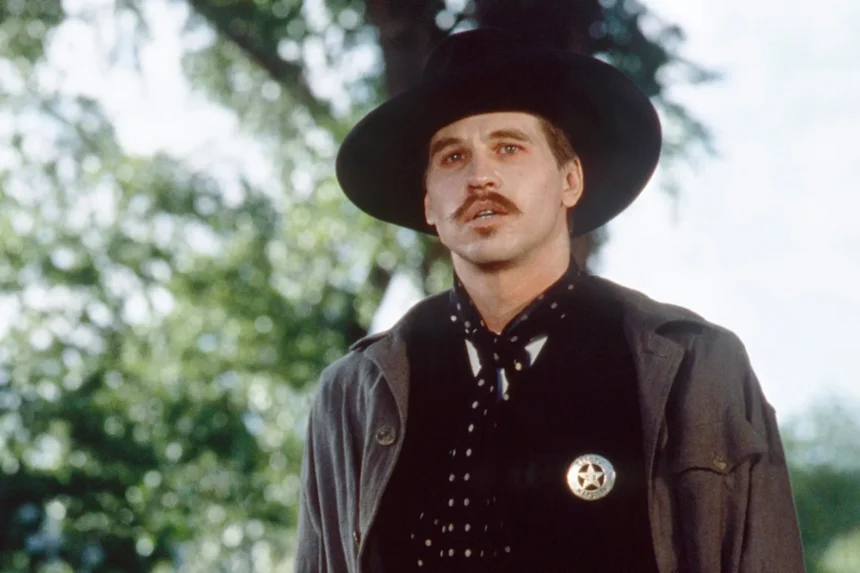
Hollywood has crossed another line. Val Kilmer is back after death with family approval and uneasy questions.
A year ago, Val Kilmer died. Now he is back on screen through generative AI. That sentence once sounded like science fiction. It sounds like a release strategy.
Kilmer will appear posthumously in the upcoming film As Deep as the Grave via an AI-generated recreation of his likeness and voice, according to Reuters and The Associated Press. The involvement had the approval of his estate and support from his daughter, Mercedes Kilmer, who said the choice matched his long-standing interest in storytelling and new technology.
What’s Happening & Why This Matters
Val Kilmer’s New Film
The film is called As Deep as the Grave. It was previously known as Canyon Del Muerto. Kilmer had originally agreed to play Father Fintan, a Catholic priest and Native American spiritualist. He could not film the role because of health problems linked to throat cancer and later complications. He died in April 2025 at age 65.
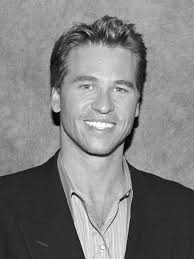
The production team decided to complete the role with generative AI rather than recast it. Reuters reported that the filmmakers worked with Kilmer’s estate and daughter to recreate his performance. AP reported that the team used archival footage and images, including family-provided materials, to build the digital performance.
That matters because this is not a small voice touch-up or a brief digital patch. This is a meaningful screen appearance for an actor who did not shoot new footage before his death. Reuters described it as a “groundbreaking moment in film history.” AP called it one of the boldest recent uses of AI for a deceased performer.
Hollywood has flirted with digital resurrection before. Yet this case feels different because the actor died recently, the role was already his, and the AI is being used to complete unfinished creative intent rather than to build a random nostalgia stunt. That does not settle the ethics. It does make the case more serious.
Family Approval Does Not Change the Debate
The strongest argument in favour of the film is consent through the estate and family. Reuters reported that Kilmer’s daughter, Mercedes, backed the decision. AP said the estate approved the digital likeness and was compensated under SAG-AFTRA rules.
That family support matters a lot. It removes the ugliest version of the story, where a studio grabs a dead actor’s face and runs wild with it. It likewise fits Kilmer’s own past relationship with AI-assisted performance. Years before this film, he had already explored AI voice recreation after throat cancer damaged his speech. Reuters and AP both noted that he had previously used AI technology tied to his voice in connection with Top Gun: Maverick.
Still, family approval is not the same as cultural consensus. A legal yes does not erase artistic discomfort. Viewers may still ask whether an AI-generated performance can carry the same emotional honesty as one delivered by a living actor on set. They may ask whether the industry will use high-profile “ethical” cases like this one to normalise weaker cases later.
That is the fear living under this story. One carefully handled project can become the precedent for sloppier, greedier, less respectful projects. Hollywood has a long history of turning exceptional cases into routine business models the second it spots fresh revenue.
The Film’s AI: More Personal
The setting of As Deep as the Grave matters. Reuters said the film follows archaeologists working in Canyon de Chelly, Arizona, and explores the history and experience of the Navajo people. AP noted that Kilmer’s role was designed with his connection to the American Southwest and themes of Native identity in mind.

That context gives the project more weight than a lazy franchise cameo. The filmmakers appear to be arguing that Kilmer belonged in this film in a specific way, and that AI helped fulfil a casting choice already made rather than inventing a role after his death. Reuters said First Line Films viewed the character as historically important to the story.
That does not guarantee artistic success. It does explain why the team chose AI instead of a replacement actor. The difference matters. Recasting says the role is what counts. Reconstructing Kilmer says the performer himself still matters to the creative idea.
This further explains why the story is harder than a routine AI headline. It is not only about technology. It is about grief, authorship, family stewardship, and whether a digital performance can honour the human being behind it. Kilmer was not just a recognisable face. He was a highly specific screen presence. He had charm, weirdness, intensity, and a touch of danger. AI can imitate surfaces. The real test is whether it can carry any of that deeper pulse.
A Turning Point for AI Performance Rights?
The bigger reason this story matters is what comes next. Reuters and AP both frame the film as a landmark moment for AI use in cinema. Once a respected actor appears posthumously in a substantial role with the estate’s approval, the industry has a working example of how to do it.
That will shape future negotiations around performer rights, estate control, union rules, and licensing deals. It will sharpen demand for clearer contract language. Living actors will want to know who can use their face later, for what, in which contexts, and with what approval structure. Estates will want clearer terms and better compensation. Studios will want flexibility. Agents will smell a new category of rights management and bill accordingly.
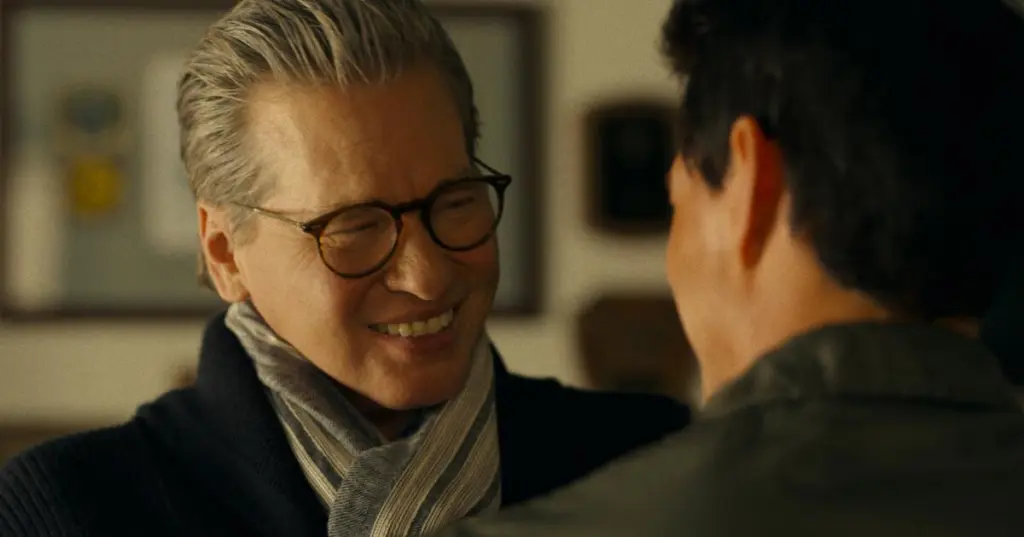
That fight was already brewing after the recent labour battles over AI in film and television. This case compels it forward. It offers the argument a face people know and a result people can actually watch.
There is a cultural risk. Once the tool exists and the legal path appears viable, some producers will try to solve creative problems with synthetic nostalgia rather than with living talent. Why take a chance on a new actor when an old legend can be digitally rebuilt, marketed, and emotionally weaponised for attention? That question is ugly, but it is real.
The best outcome from this case is a narrow standard. Estate consent. Clear compensation. Story-specific justification. Union oversight. Honest disclosure. The worst outcome is a flood of dead-eyed digital performances built because recognition is easier to sell than originality.
TF Summary: What’s Next
Val Kilmer’s posthumous AI appearance in As Deep as the Grave is a serious shift in how Hollywood may use digital likeness rights. Reuters and AP report that the move had estate approval, family support, and roots in a role Kilmer had already accepted before health problems stopped him from filming.
MY FORECAST: This project will not be the last. It is a reference point in every major future debate over digital performer rights. The industry will point to it when arguing that AI resurrection can be ethical. Critics will point to it when warning that consent today can appear exploitative tomorrow. The next phase will depend on whether Hollywood treats this as a rare exception with rules or as a shiny new shortcut with no brakes.
— Text-to-Speech (TTS) provided by gspeech | TechFyle