


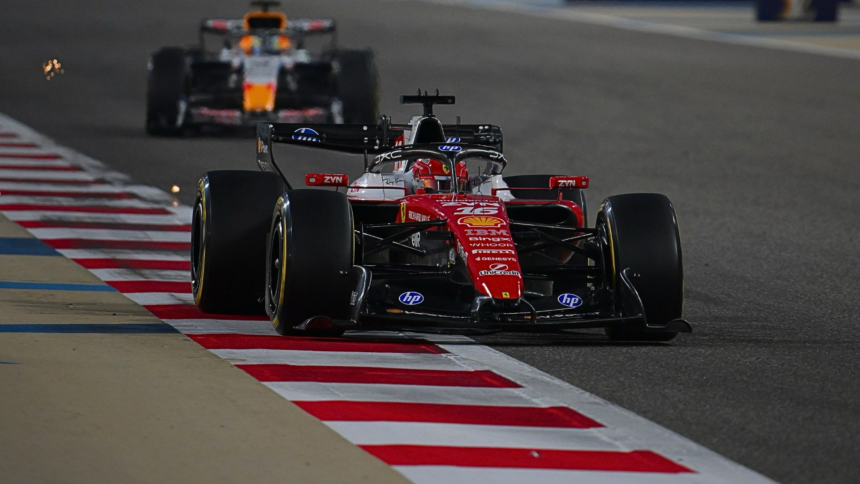
The updated racing regulations may introduce ‘craze’, not ‘praise’, to the world’s top auto racing series.
The 2026 Formula 1 pre-season is upon us — like a physics experiment strapped to four wheels. Regulations rewrote the rulebook. Drivers and engineers are wrestling with machines that behave more like energy systems than race cars. Early reactions range from cautious curiosity to outright discomfort. Teams are testing frantically in Barcelona and Bahrain. Fans are wondering whether the sport reinvented itself — or broke something elegant.
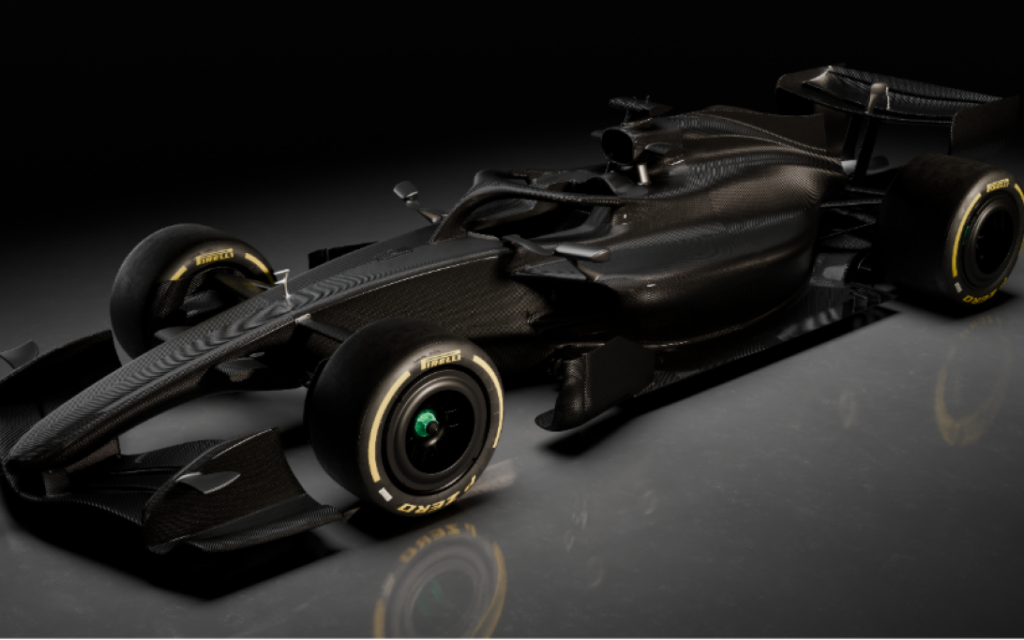
The new cars look sleeker and smarter. They also feel strange to drive. Power delivery changes constantly. Aerodynamics shift mid-lap. Batteries sway strategy. Reliability shows cracks.
In short, Formula 1 is entering uncharted waters where software, sustainability, and energy management rival raw speed.
What’s Happening & Why This Matters
Radical Hybrid Overhaul Changes How Cars Perform
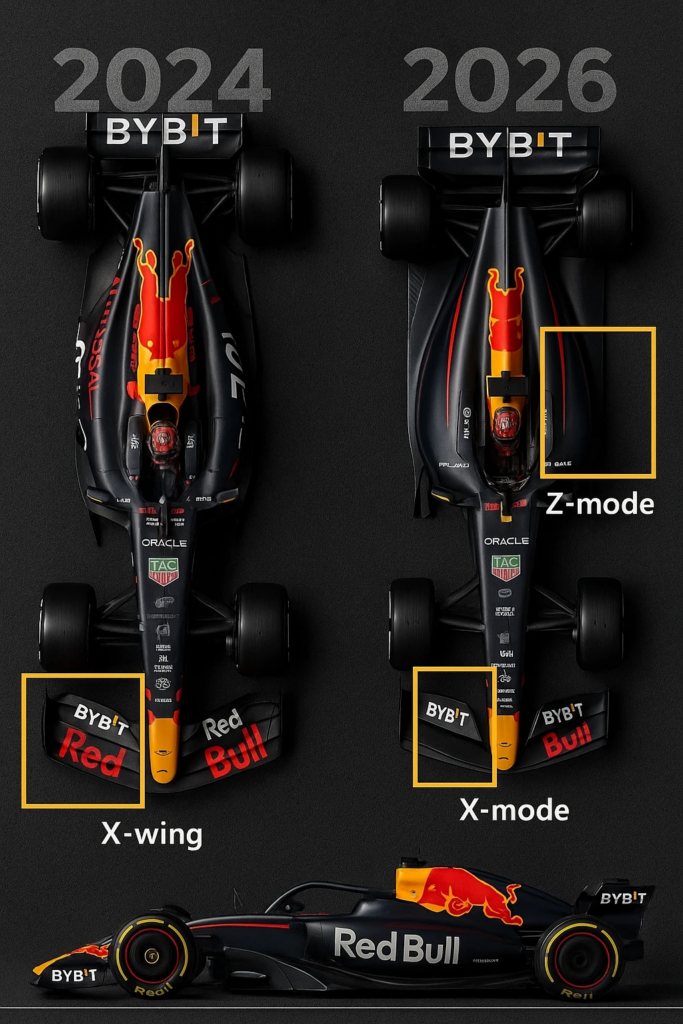
After more than a decade of stable power units, Formula 1 introduces an entirely new hybrid architecture. The familiar turbocharged 1.6-liter V6 lives on, but the MGU-H system is gone. Engineers boost the MGU-K electric motor dramatically and pair it with a larger battery. The result: drivers must actively manage energy flow, lap-by-lap, rather than rely on a consistent power band.
The internal combustion engine delivers about 536 hp (400 kW). The electric system adds roughly 470 hp (350 kW) when charged. That combined output rivals previous peak performance but behaves very differently. Power surges come and go depending on battery state, braking recovery, and deployment strategy. Drivers experiment with unusual techniques, including deliberately downshifting to charge the battery.
Energy management resembles endurance racing more than sprint competition. Observers compare it to the old Le Mans hybrid era, where timing electric boosts mattered as much as throttle control. During tests, some cars even slow near the end of straights while diverting engine output back into the battery. Engineers call the event “superclipping.” It looks counterintuitive but optimizes acceleration out of corners.
Critics worry that such complexity may dilute the visceral feel that defines Formula 1. Supporters argue it mirrors the electrified future of road cars. Either way, the learning curve appears steep.
Active Aerodynamics Transform Driving Dynamics
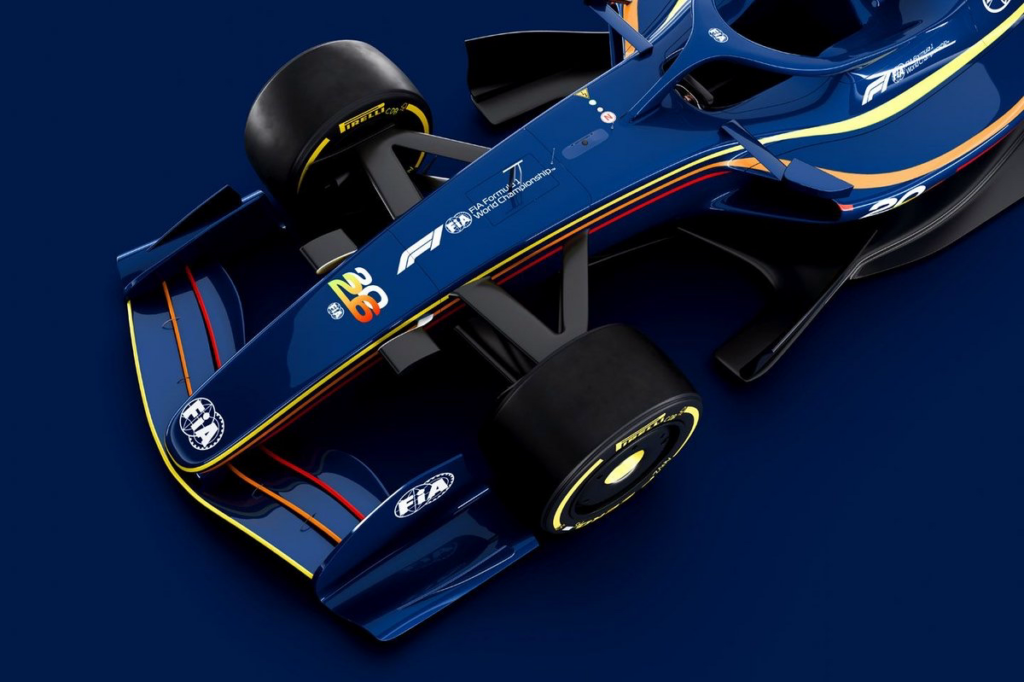
The 2026 cars introduce active front and rear wings that shift between high-downforce “corner mode” and low-drag “straight mode.” Instead of a fixed aerodynamic compromise, cars morph continuously to suit track conditions. In theory, this improves overtaking and efficiency. In practice, it adds another layer of unpredictability.
Design diversity returns after years of convergence under previous ground-effect rules. Teams explore radically different shapes, hoping to find aerodynamic advantages. Ferrari tests unusual rear wing designs, including elements that rotate dramatically. Engineers chase one holy grail: shedding drag without sacrificing stability.
Drivers report that cars feel nervous at high speed and unusual under braking. Narrower tires and smaller dimensions contribute to that sensation. Fans may notice cars sliding more often, which could improve spectacle but increase risk.
Race Starts Are a New Tactical Battlefield
One unexpected twist involves launch behavior. The electric MGU-K system does not contribute power until cars exceed about 50 km/h. At the start, drivers rely solely on combustion engines. That change exposes differences in turbocharger design between manufacturers.
Ferrari opts for smaller turbos that spool quickly. Rivals choose larger units that produce higher peak power. Ferrari bets on faster launches and stronger low-speed response. If correct, grid positions may reshuffle dramatically in the first seconds of every race.
Such trade-offs illustrate the more expansive philosophy of the new rules: encourage engineering diversity rather than identical solutions.
Reliability Concerns Surface Early
Preseason testing reveals numerous technical gremlins. Teams lose track time while troubleshooting electronics, cooling systems, and hybrid components. After years of bulletproof reliability, the sport is reminded that radical innovation rarely arrives smoothly.
Aston Martin appears particularly affected, though no team escapes entirely. Observers expect early races to feature unexpected retirements. Fans who miss mechanical drama may secretly welcome the chaos.
Testing lap times offer little guidance because teams run different fuel loads and experimental setups. As one observer quipped, test times can mean as much as “a bacon briefcase.” Still, patterns of reliability and drivability provide valuable clues about the competitive order.
Engine Regulation Disputes Add Political Drama
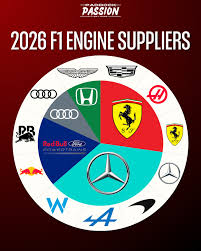
Technical revolutions rarely occur without controversy. Rivals accuse Mercedes of exploiting a potential loophole involving engine compression ratios. Some believe the design could deliver measurable performance gains. Mercedes insists the engine complies fully with regulations.
Officials consider additional testing procedures to clarify the issue. Team principals debate publicly, turning engineering details into headline drama. Even Williams’ leadership dismisses the controversy as temporary noise, while others demand strict clarity on permitted designs.
Such disputes reflect the high stakes. Minor advantages can determine championships when performance margins shrink to fractions of a second.
Sustainable Fuel Requirements Add Pressure
Another new element involves fully sustainable fuels. Each engine supplier partners with different energy companies, and those fuels must pass rigorous certification. Some teams risk starting the season with substitute blends if approval processes lag. That scenario could affect power output and reliability.
Formula 1 hopes these fuels demonstrate pathways toward low-carbon transportation. Whether fans care about the chemistry or just the racing is an open question.
Why Drivers and Teams Feel Uneasy
Drivers traditionally serve as sensitive instruments. When many express similar concerns, something meaningful usually lurks beneath the surface. Reports from the paddock describe cars that feel less intuitive, harder to balance, and physically demanding due to constant energy management decisions.
Teams face parallel challenges. Strategy simulations grow more complex. Engineers must monitor battery states, aerodynamic modes, and fuel usage simultaneously. The margin for error narrows. A misjudged deployment pattern could cost seconds per lap.
Yet unease often accompanies progress. Past regulation changes initially sparked complaints before producing memorable seasons. The 2009 aerodynamic overhaul and the 2014 hybrid transition both faced skepticism before reshaping the sport.
TF Summary: What’s Next
Formula 1 stands at a crossroads. The 2026 regulations push the sport toward sustainability, electrification, and engineering diversity. Early testing suggests growing pains. Reliability issues, strategic complexity, and unusual driving characteristics dominate the discussion. However, the same factors could create unpredictable races and fresh storylines.
MY FORECAST: Over the coming months, teams will refine setups and software. Drivers will adapt muscle memory to machines that behave more like dynamic energy systems than traditional race cars. If the sport strikes the right balance, fans may witness one of the most fascinating seasons in decades. If not, officials may face pressure to tweak rules again. Either way, Formula 1 just proved it prefers evolution through disruption rather than comfort through tradition.
— Text-to-Speech (TTS) provided by gspeech | TechFyle