


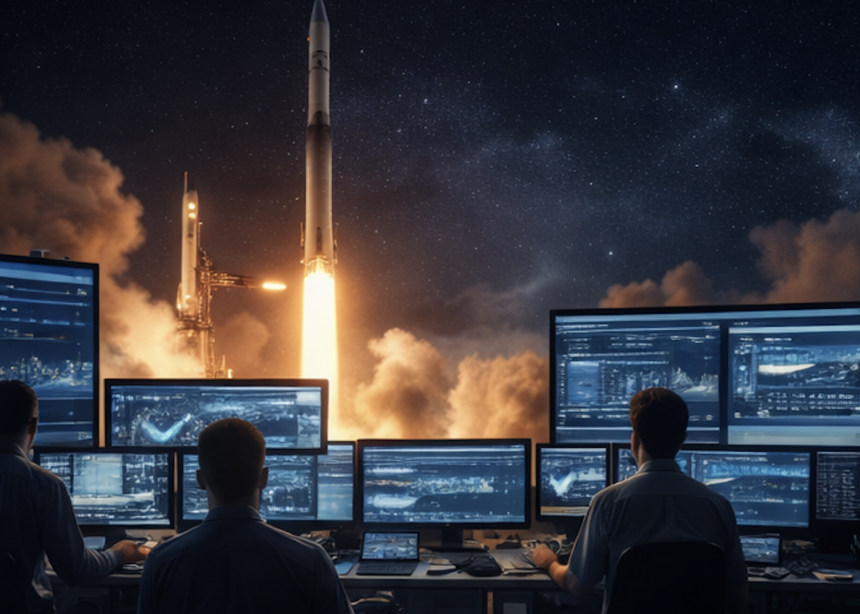
One private giant links rockets, satellites, AI models, and a real-time social feed.
Elon Musk keeps building companies like a kid stacking LEGO. Then he snaps the sets together and calls it “integration.”
He merges two of his biggest bets. SpaceX acquires xAI. The announcement frames the deal as more than a merger. Musk calls it “not just the next chapter, but the next book” in a shared mission.
AI eats computing. Computing eats power. Power eats land and grid capacity. SpaceX brings launch, satellites, and Starlink scale. xAI brings models, products, and a firehose of real-time data through X.
The pitch sounds simple: move computing into orbit, then run AI anywhere, anytime, on demand.
The reality is messier. However, the vision is very Musk-esque.
What’s Happening & Why This Matters
SpaceX Absorbs xAI, Tying AI to Launch and Orbit
SpaceX confirms the acquisition and classes it as a “vertically-integrated innovation engine” spanning AI, rockets, space internet, and direct-to-phone links.
Reporting around the deal is rampant. Multiple outlets report a combined valuation, with SpaceX valued at nearly $1 trillion and xAI at almost $250 billion, based on the transaction math.
That scale explains the urgency. xAI competes in a compute arms race against other frontier labs. SpaceX already runs the world’s most active launch cadence and the largest operating satellite fleet. The merger turns “partners” into “one company,” at least in practical terms.
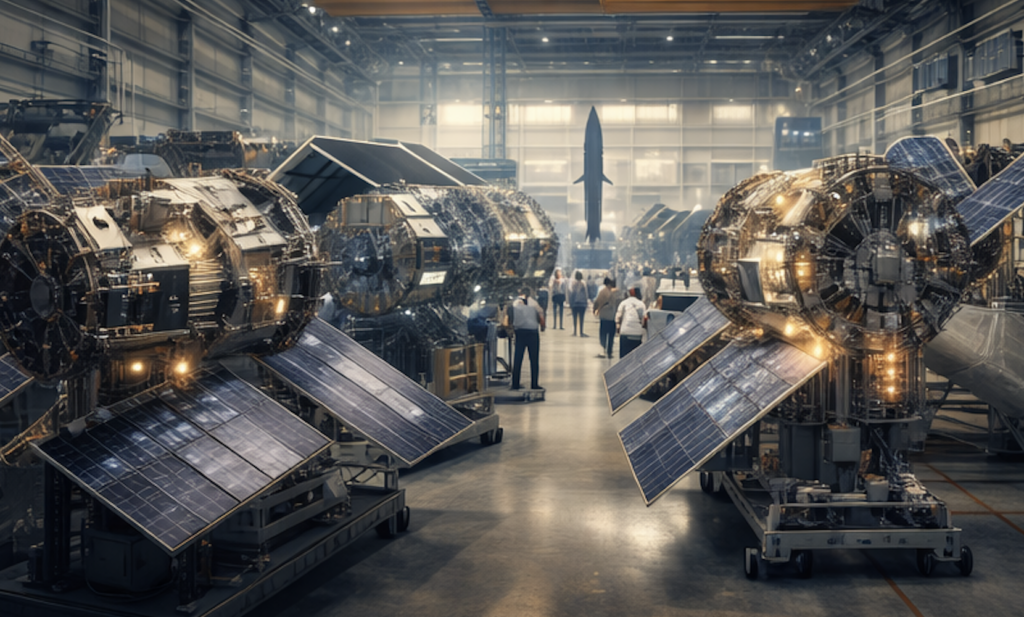
It also formalizes something that already exists. The file notes crossover staff working across SpaceX and xAI/X well before the acquisition. The culture already melded. It also means that operational lines are already blurring.
Some observers still expect friction. A former xAI staffer describes xAI as “move fast and break things when that pace meets SpaceX’s heavier safety culture.
The tension is the plot for 2026: speed versus rigor, inside one roof.
Orbital Data Centers: From Sci-fi to a Filing
SpaceX does not stop at “we merged.” It a ion to deploy up to one million satellites described as “orbital data centers.”

This is the heart of the SpaceX xAI acquisition strategy.
Musk argues that Earth-based AI infrastructure hits constraints. He points to power and cooli shes a new answer: solar-powered compute in space. He says the “lowest cost way to generate AI compute will be in space” within two to three years.
That claim tries to turn physics into a business plan.
Space-based solar power stays constant. Space also avoids local permitting fights. Orbit also avoids many grid bottlenecks that trigger community backlash near big data center, but it adds new headaches. Radiation, thermal swings, repair access, and hardware refresh cycles all take a heavier toll in space than on Earth. Latency also matters. “In space” does not mean “near your phone.” Routing and ground stations decide the real experience.
The filing is more than the slogan. Paper is where hype meets constraints.
Starship, Falcon 9, and the Satellite Factory Advantage
The file frames SpaceX as the “premiere spaceflight company.” It points to the reusable Falcon 9 as the current workhorse. It also points to Starship as the scaling lever.
Musk tells employees that Starship will begin launching V3 Starlink satellites this year, as well as next-gen direct-to-mobile satellites. He calls those missions a “forcing function” to improve reusability.
Then he goes bigger. He talks about launches “every flight,” and “millions of tons” to orbit each year. He ties that mass to compute output and claims to have added “100 gigawatts” of AI compute capacity annually under certain assumptions.
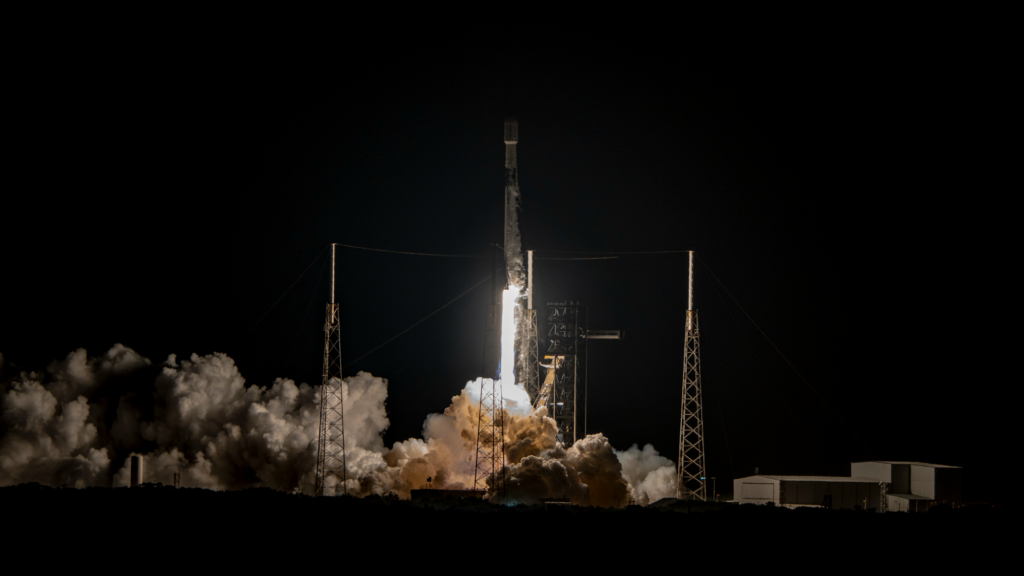
SpaceX wants to treat orbit like a data center campus. Starship becomes the freight elevator. Starlink becomes the network fabric. xAI is the model tenant.
This has investors’ attention.
Space Traffic, Debris, and Governance
A million satellites do not just stress engineering. It stresses the sky. Experts already flag how fast the timeline moves. Victoria Samson at Secure World Foundation says, “This is all happening really fast.”
Brian Weeden at The Aerospace Corporation points to the quiet progress in collision prevention and orbital safety over the last decade. He notes the advantage, but the public misses it.

The file also explains the core fear: at higher altitudes, debris lingers for centuries. Once a bad collision happens, cleanup becomes nearly impossible. A tech Sorge warns that “the stuff that’s up there stays up there.”
SpaceX answers with plans for redundant maneuvering and deorbit capability. It also mentions ozone concerns linked to aluminum reentry burn-up, plus ideas for m s into higher or heliocentric orbits.
That last idea prompts a question. How much propellant does that take? Orbital mechanics does not accept vibes as payment.
For an added layer: Grok draws controversy around generated sexual content and hateful outputs in past incidents described in the file. xAI apologized for one episode and attributed it to a systems update.
When SpaceX merges with xAI, that reputational risk travels too. SpaceX runs sensitive government contracts. Regulators’ oversight monitors the risks.
This is where the SpaceX xAI acquisition strategy runs into its sharpest edge.
SpaceX thrives on trust and performance. AI products thrive on reach and iteration. Mixing those cultures within one engine creates both upside and risk.
The bigger story: Musk builds a private stack that looks like a nation
This merger is not only “corporate synergy.” It is a vertical stack.
- Launch capacity.
- Satellite manufacturing.
- Global internet coverage.
- Direct-to-mobile links.
- Real-time social distribution.
- Frontier AI training and inference.
The stack starts to resemble national infrastructure. It is also beginning to attract policy attention.
Recent reporting also connects this move to capital needs and IPO logic. SpaceX already explored liquidity events and IPO planning in prior coverage. Reuters previously reported a secondary share sale that valued SpaceX at around $800 billion in December 2025.
Today’s merger headlines push that conversation again.
Even so, the core driver is not Wall Street. The core driver is compute.
AI labs chase cheaper power and more chips. SpaceX offers an alternative approach: compute in orbit, with connectivity everywhere. Musk even jokes about solar consistency: “It’s always sunny in space!” in coverage tied to the announcement.
That line is funny. It is also a strategy statement.
TF Summary: What’s Next
SpaceX acquires xAI and frames the deal as the start of a bigger mission, not a simple corporate event. The combined plan targets orbital data centers, at massive scale, tied to Starship launch cadence and Starlink network reach.
MY FORECAST: This merger pushes two races at once. SpaceX accelerates launch and satellite manufacturing to support computing dreams. Regulators and space-safety groups are responding with sharper scrutiny of debris risk, collision prevention, and long-lived objects in orbit. Musk’s unified stack then lives or dies on execution discipline, not slogans.
— Text-to-Speech (TTS) provided by gspeech | TechFyle