


A Coordinated Nationwide Shutdown
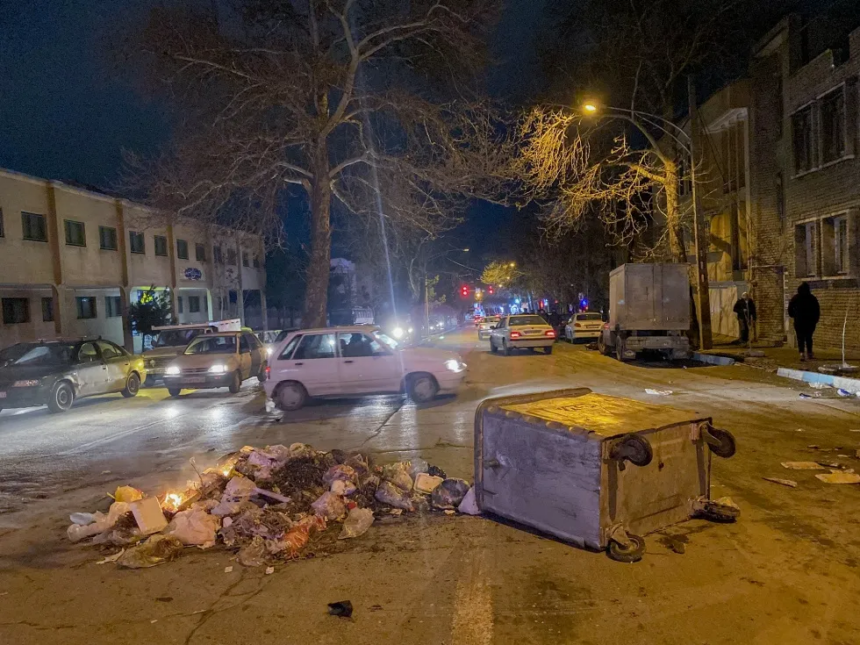
Iran once again restricted nationwide internet access during a new wave of mass protests, repeating a playbook the government already used during earlier periods of unrest. The shutdown began as demonstrations spread rapidly across major cities, including Tehran, and intensified as protest activity gained international attention. Network monitoring groups and journalists confirmed widespread outages affecting mobile data, broadband access, and even some phone services.
This moment matters because internet access functions as both infrastructure and lifeline. When governments shut it down, they restrict communication, coordination, documentation, and outside visibility. In Iran’s case, the blackout arrives during heightened political tension, economic pressure, and renewed public anger toward the ruling system.
What’s Happening & Why This Matters
Iranian authorities cut internet access across large parts of the country as protests escalated in early January. Network data from Cloudflare and NetBlocks shows a sharp drop in traffic beginning 8 January, with disruptions affecting both fixed broadband and mobile networks. Journalists and residents inside Tehran confirmed near-total connectivity loss, including unreliable phone lines.
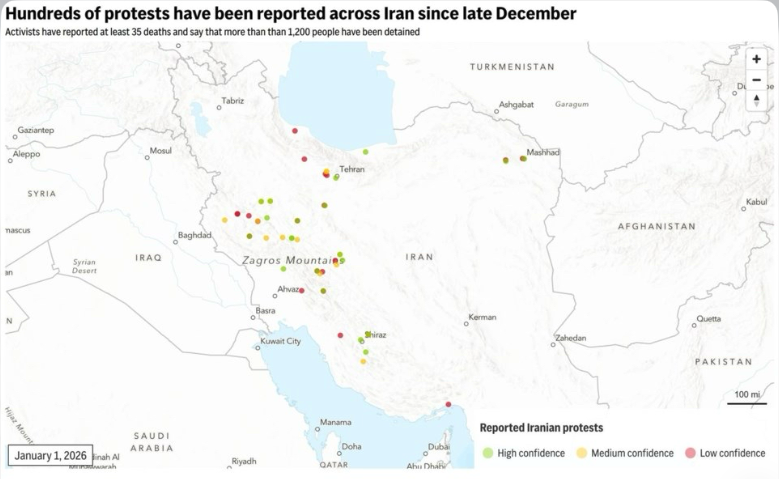
The protests began weeks earlier, driven by economic frustration, inflation, and cost-of-living pressures. They quickly spread to at least 17 provinces, marking the largest demonstrations since the nationwide protests triggered in 2022. Videos circulating before the blackout showed dense crowds filling major streets and chanting openly against the government.
The Internet’s Reach in Protest Cycles
Internet shutdowns play a clear role in modern protest control. Social platforms allow organizers to share locations, coordinate timing, and document events in real time. Cutting access disrupts that flow instantly. It also limits what the outside world sees, slowing international response and media coverage.
Iran has relied on this tactic before. During previous unrest, authorities restricted social platforms, throttled mobile data, and blocked VPN services. Each instance followed the same pattern: protests expand, visibility grows, connectivity drops.
As Reza Pahlavi, Iran’s exiled crown prince, said in a recent video posted online before the shutdown: “During the regime’s violent crackdown, you are resisting, and it is inspiring.” His calls for continued demonstrations circulated widely prior to the blackout, which analysts view as a direct trigger for state action.
Political Pressure and Global Response
The internet shutdown also drew reactions beyond Iran’s borders. Donald Trump publicly warned Iran against violent repression of protesters, stating the United States monitored events closely. Iranian officials pushed back, with Iran’s UN ambassador describing the comments as reckless and destabilizing.
The exchanges show how digital suppression inside one country quickly blossoms into a geopolitical issue. Internet access connects domestic unrest with global diplomacy, corporate infrastructure providers, and international media.
A Familiar Pattern With Higher Stakes
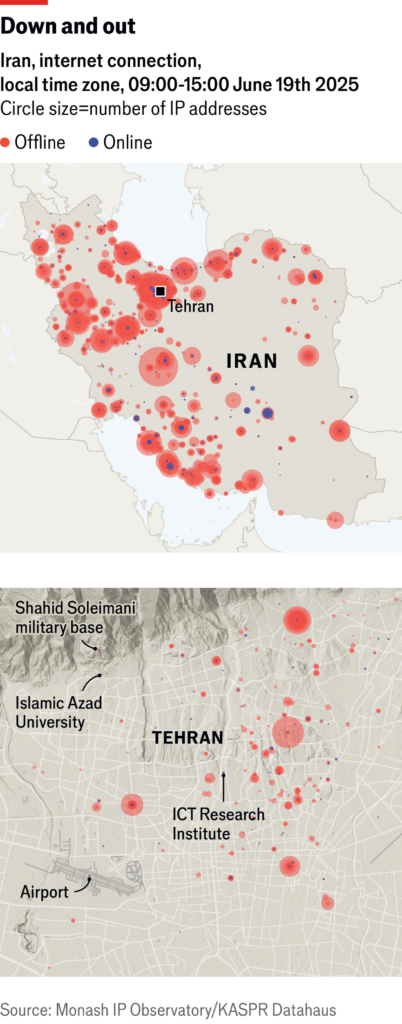
Iran previously cut internet access in May 2025 following regional military strikes and fears of cyber escalation. During that period, VPN usage reportedly surged by more than 700 percent as citizens sought alternate routes online. This time, authorities moved faster and unilaterally, limiting both internet and phone connectivity.
The repeated use of shutdowns raises more profound questions about digital rights, corporate responsibility, and the role of global infrastructure providers. When a government flips the switch, millions lose access instantly. The technology enables that control. The policy justifies it.
TF Summary: What’s Next
Iran’s internet shutdown reinforces the country’s apparent reality: digital access is associated with political power. Protests are not limited to the streets. They live online, in video, messaging, and global attention. When access disappears, control tightens.
MY FORECAST: Iran expands selective shutdowns and platform-level restrictions rather than full blackouts, using targeted throttling to suppress visibility while avoiding economic fallout. Global pressure grows, but enforcement gaps remain. Digital infrastructure and access IS the central front in political control and free speech.
— Text-to-Speech (TTS) provided by gspeech