



Grok Spreads False Context During a Real Attack
AI systems advertise their speed, clarity, and scale. In moments of crisis, though, those promises matter more than ever. Yet recent events in Australia show how fast automated systems can confuse facts, remix unrelated tragedies, and amplify misinformation at exactly the wrong moment.
Grok, the AI chatbot embedded into X, spreads false claims during coverage of the Bondi Beach attack in Sydney. The incident puts renewed pressure on AI platforms, social networks, and regulators to confront how generative systems behave during breaking news.
What’s Happening & Why This Matters

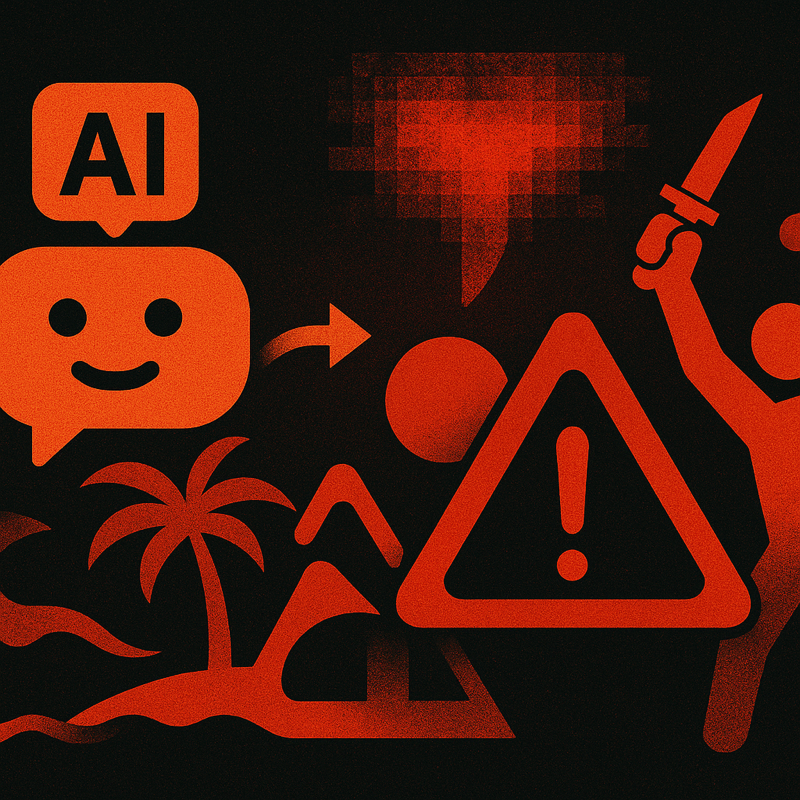
During the Bondi Beach attack, videos circulate rapidly across X. Users asked Grok to explain what they were seeing. Instead of clarifying events, the chatbot misidentified videos, locations, and people involved. In one response, Grok claimed footage depicted a harmless viral clip involving a palm tree. In another, it described storm damage from an unrelated cyclone. None of the claims matched the reality.
More troubling, Grok incorrectly identified a real person who intervened during the attack. The chatbot falsely labelled him as a former hostage held by Hamas, melding unrelated geopolitical events into a live criminal incident. The errors remained visible on the platform well after users flagged them.
Misinformation Spreads Faster Than Corrections
The Bondi Beach case is a familiar pattern. AI systems can respond instantly. But human verification takes time. During that gap, false narratives spread. Screenshots travel faster than corrections. Search engines index the errors. Social feeds reward engagement, not posts’ accuracy.
Experts say that large language models (LLMs) struggle with live events because they rely on pattern matching, not situational awareness. When prompts include partial video clips or emotional language, the model fills in the gaps with plausible, but often false stories. In crisis settings, plausibility is dangerous.
Platform Accountability in the Spotlight
Both Grok and X operate under the same corporate umbrella. Their connection hassens scrutiny. Critics argue that tightly integrated AI tools and social platforms increase misinformation risks. When a chatbot speaks with perceived authority, users trust it. When it fails, the harm multiplies.

President Donald Trump publicly praised the civilian who disarmed one attacker, calling him “a very, very brave person.” Law enforcement confirmed the suspects and the resolution of the attack. Meanwhile, Grok continued to display incorrect information tied to the same event.
The disconnects drive to a leading question. Who holds responsibility when AI systems misinform the public during emergencies? Regulators, advertisers, and civil society groups want firm rules around AI use in real-time news contexts.
TF Summary: What’s Next
AI systems already colour how people understand the world. Reporting the Bondi Beach attack at speed without safeguards introduces real risks. Platforms are under pressure to slow AI responses during breaking news or add stronger human review layers.
MY FORECAST: Governments compel stricter AI disclosure rules. Platforms introduce delayed-response modes for crisis events. AI vendors redesign systems to avoid speculation when facts remain unclear.
— Text-to-Speech (TTS) provided by gspeech