


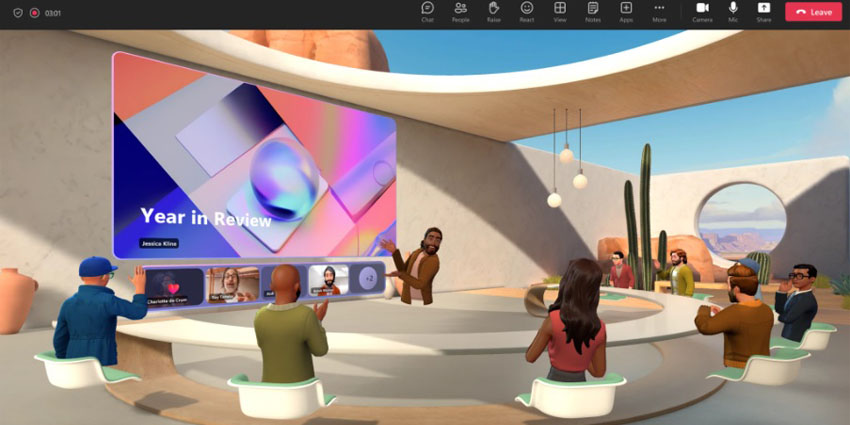
Immersive Meetings Include Avatars, Augmented Environments, and Interactive Layouts
Immersive meetings were a concept elaborated on in research decks and keynote slides for years. Then Microsoft delivered the idea into everyday work life. The update brought the Metaverse from hype into a practical button in Microsoft Teams. The Windows publisher introduced Immersive Events, a 3D meeting space that mixed avatars, shared environments, and interactive layouts. Microsoft calls the feature a fresh way to create presence and reduce the flat, camera-box feeling of long calls. The rollout came 1 December 2025, after months of testing and iteration.
The feature replaced Microsoft Mesh, an earlier Metaverse platform. Mesh shut down on the same day the Teams integration launched. Instead of maintaining a separate Metaverse app, Microsoft inserted immersive meetings into the platform employees already use daily. The idea: skip the learning curve and place spatial interaction inside an existing workflow.
What’s Happening & Why This Matters
Teams Gains Built-In 3D Meeting Environments

Teams users now open the calendar, click New event, and see a new option: Immersive event. This launches a 3D meeting space that each attendee enters with a personal avatar. The environment supports free movement, side conversations, exploration, and group sessions. Microsoft includes several pre-built spaces for fast setup. Users also customize rooms with videos, images, logos, and other brand assets, which gives events a tailored feel without heavy design effort.
The switch from camera grids to avatar environments changes the energy of remote gatherings. Sessions feel more social and less transactional. Attendees wander instead of stare. Presenters stand on virtual stages. Teams keeps normal meeting controls for scheduling, invites, and attendee management, so immersive events operate like any other calendar-based meeting.
Engagement, Presence, and the Psychology of Space
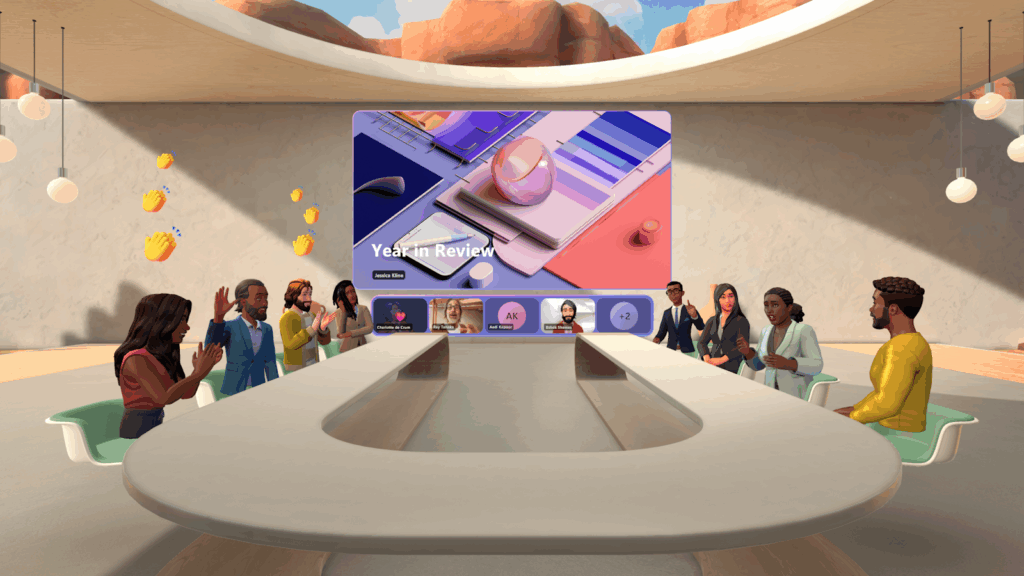
Microsoft sees immersive meetings as a direct answer to digital fatigue. The company says immersive events help teams “feel truly present” and build stronger engagement across an organization. The pitch recognizes that traditional video meetings plateaued. Engagement drops mid-call. People multitask. The 3D layer pushes interaction into a spatial context. The mind interprets spatial environments differently from video rectangles. Microsoft believes this improves memory, attention, and participation.
Immersive meetings further develop what “remote work culture” means. Companies use immersive events for all-hands gatherings, onboarding sessions, product showcases, internal conferences, and training. The moments benefit from scale and movement — things that flat video calls never supported well.
Mesh Sunsetting and Consolidation
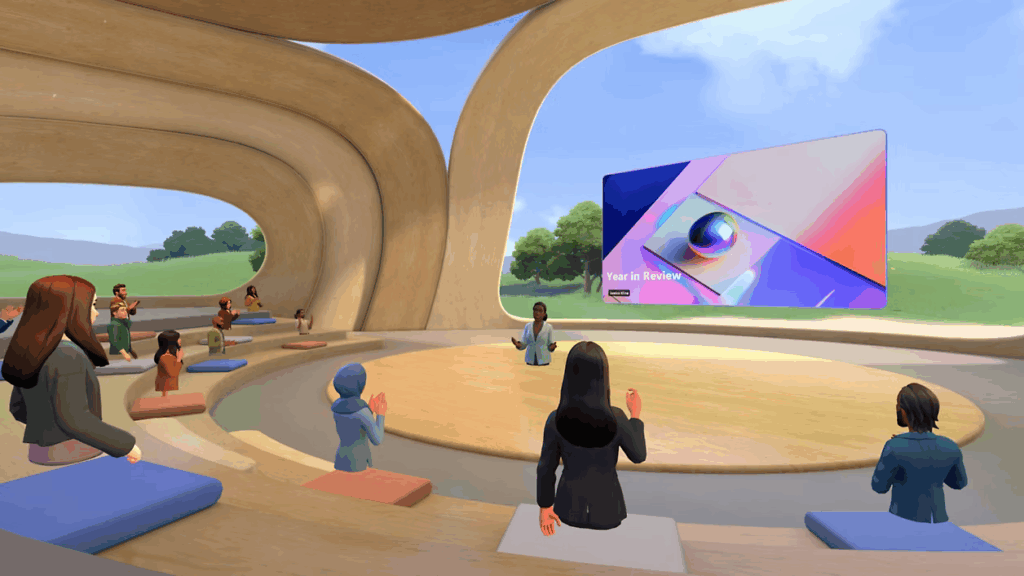
Microsoft shut down Microsoft Mesh on 1 December 2025. Existing users moved to the new Teams experience. This closed a standalone experiment and replaced it with a unified approach inside an enterprise-first tool.
The Metaverse concept lives on, just not in a separate universe. Instead, Teams acts as the digital office, auditorium, expo hall, and training center. Microsoft reduced redundancy and incorporated spatial collaboration into its highest-traffic productivity platform.
TF Summary: What’s Next
Immersive events reframe remote meetings and workplace culture. More companies test 3D sessions for onboarding, training, and major announcements. Engagement climbs when people feel present in a shared environment. Tools like avatars, stages, and branded spaces reshape communication norms.
MY FORECAST: Companies in tech, education, media, finance, and healthcare integrate spatial meetings into monthly workflows. HR teams adopt it for onboarding. Executive teams use it for global all-hands. Partner groups host hybrid events without travel costs. By late 2026, immersive meeting environments will have spread throughout the enterprise software market. Teams will lead Metaverse adoption within productivity.
— Text-to-Speech (TTS) provided by gspeech