


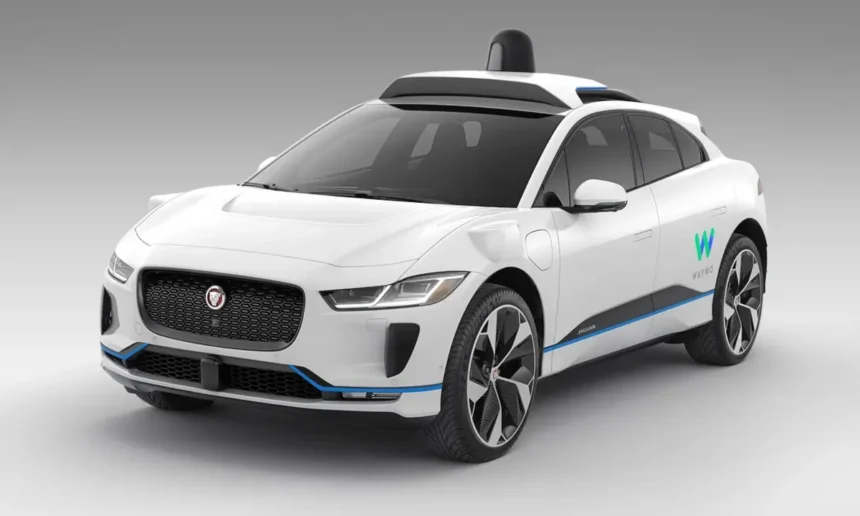
Waymo operates in Austin, San Francisco, Los Angeles, Phoenix, Miami, and Atlanta.
Self-driving taxis are not a futuristic promise. They are pulling up to curbs right now. In another expansion, Waymo robotaxis began operating in four additional U.S. cities, one of the fastest real-world rollouts of autonomous ride-hailing ever attempted.
The new launch areas include Dallas, Houston, San Antonio, and Orlando. Riders in these cities can summon a driverless vehicle through the Waymo app, though access begins with invitations and limited service zones. Still, the expansion signals a turning point. Autonomous mobility is moving from experiment to infrastructure.
Expansion is bigger than transportation itself. It touches urban planning, labor markets, insurance models, safety policy, and even how cities design streets. If robotaxis work at scale, they will quietly rewrite daily life. If they fail, backlash could be damaging as well.
What’s Happening & Why This Matters
Multi-City Launch Boosts Autonomous Adoption

Waymo is deploying its service simultaneously across four metropolitan areas, something it has never done before. The rollout increases its total operational footprint in the United States to ten cities. Existing markets include Los Angeles, Atlanta, Austin, Phoenix, the San Francisco Bay Area, and Miami.
Access begins with invitation-only rides for users who already downloaded the app. Over time, Waymo plans to open to the public. Initial service areas are geo-fenced. Vehicles operate only inside mapped zones where the autonomous driving system performs reliably.
The controlled expansion exhibits a cautious engineering mindset. Autonomous systems do not behave like traditional software. They interact with messy reality. Construction zones appear overnight. Weather changes sensors’ performance. Humans behave unpredictably. Limiting geography allows engineers to tame chaos before scaling outward.
Waymo’s fleet currently delivers about 400,000 paid rides per week. The company targets one million weekly rides before year’s end. If achieved, that volume would place robotaxis in the realm of everyday transportation rather than novelty.
Safety Claims in the Public Trust
Safety is the central battlefield. Waymo argues its vehicles outperform human drivers using real-world data collected over more than 127 million miles. According to the company, this dataset shows a ten-fold reduction in serious injury crashes and a twelve-fold reduction in pedestrian injury incidents compared with human drivers.
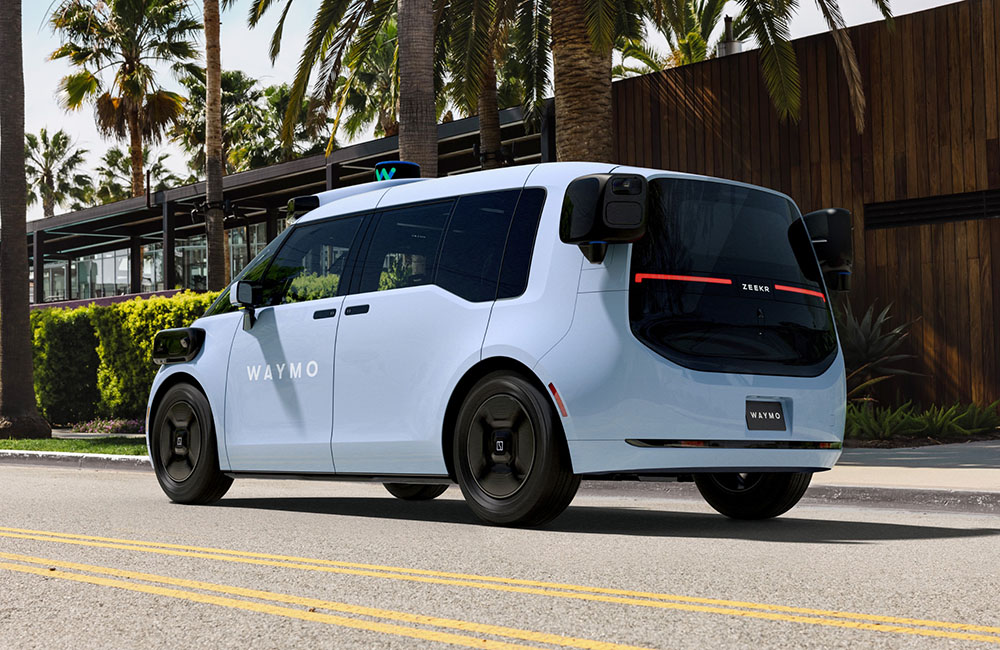
The numbers sound almost mythic, like a promise of machines that never blink, never text, never drive drunk, never get tired. Yet public trust grows slowly. Humans accept risk from other humans more easily than from machines. One dramatic robot error can outweigh thousands of flawless miles.
Waymo recently faced scrutiny during Senate testimony regarding its safety practices and remote assistance capabilities. Critics questioned whether humans could secretly control vehicles. The company clarified that remote assistants cannot drive the cars. They can only provide guidance when the autonomous system requests help.
This detail matters philosophically as much as technically. If a human drives remotely, the system is in teleoperation mode. If the AI drives itself, responsibility shifts toward software designers. Society is still negotiating that boundary.
Remote Operators Provide a Safety Net
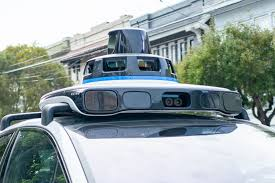
At any given time, about 70 remote assistants monitor the fleet, split across facilities in the United States and the Philippines. They function as advisors, not pilots. Think of them as mission control rather than drivers.
This hybrid model reveals a quiet truth about current AI. Pure autonomy is rare. Most deployed systems operate with human scaffolding. The machine handles routine decisions. Humans intervene at the edges where ambiguity explodes.
Over time, engineers hope the need for intervention declines. Each unusual scenario is training data. The system learns. It is less surprised by reality. Eventually, the human layer might fade. Or it might be permanent, like autopilot in aviation.
Economic and Social Implications
Robotaxis do more than move passengers. They threaten existing labor structures. Millions of people worldwide drive for a living. Autonomous fleets are projected to reduce demand for human drivers, drastically, in dense urban areas.
At the same time, new roles emerge: fleet maintenance technicians, safety supervisors, AI training specialists, mapping engineers, and operations staff. Technology rarely destroys work outright. It reshapes it. The transition period, however, can be turbulent.
Cities also face infrastructure questions. Autonomous vehicles rely on high-definition maps, clear signage, consistent road markings, and reliable connectivity. Poorly maintained streets are not only inconvenient but incompatible.
Insurance models must evolve, too. When software drives, fault shifts from individuals to manufacturers or operators. Legal frameworks lag behind technology, creating a gray zone that courts will eventually illuminate.
Competition Intensifies the Robotaxi Race
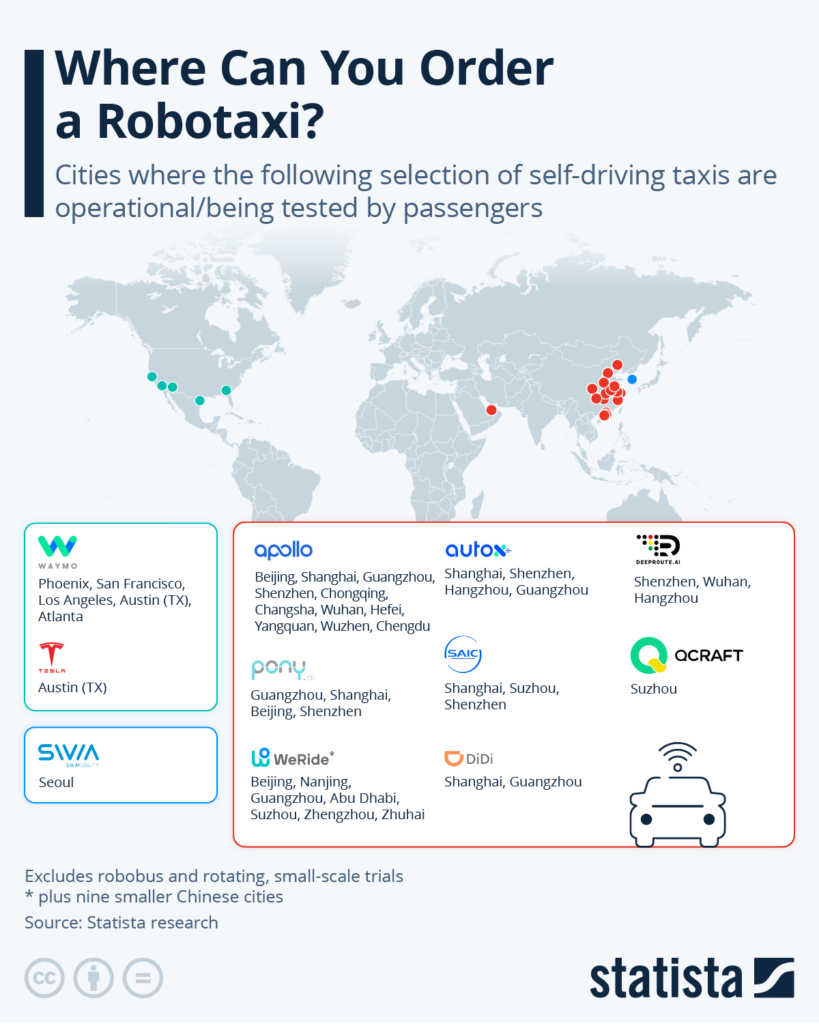
Waymo does not operate in a vacuum. Several companies pursue autonomous mobility, including Tesla, Cruise, Zoox, and others. Each approach differs in sensors, software philosophy, and deployment strategy.
Waymo states LiDAR, radar, cameras, and detailed mapping. Tesla bets heavily on camera-only systems and neural networks trained on massive driving data. The outcome of this technological divergence could shape mobility for decades to come.
Launching in multiple cities simultaneously signals confidence. It also signals urgency. In technology races, momentum often matters as much as raw capability. Market presence builds regulatory familiarity, brand trust, and operational expertise.
TF Summary: What’s Next
Waymo’s expansion into four new cities marks a decisive step toward mainstream autonomous transportation. Invitation-only access and geo-fenced zones show the company still prioritizes safety over speed, yet the scale of deployment suggests confidence in the technology’s readiness. Weekly ride volumes continue climbing, and the infrastructure supporting robotaxis is quietly maturing.
MY FORECAST: The real test lies in durability. Can autonomous fleets handle weather extremes, unpredictable human behavior, and the infinite weirdness of real streets at scale? If the answer trends toward yes, robotaxis may become as ordinary as elevators—once frightening innovations that society ignores completely. The cities welcoming driverless cars today are early glimpses of that possible future.