


Terafab is Elon Musk’s latest moonshot: a giant chip-making project built to feed Tesla, robots, and AI systems in space.
Terafab is Elon Musk’s proposed advanced chip manufacturing project in Austin, Texas. The plan brings together Tesla, SpaceX, and parts of Musk’s wider AI empire to build custom chips on a much larger scale. Musk says the project exists for one blunt reason: his companies will need far more AI chips than the market can currently supply.
That makes Terafab bigger than a factory story. It is a supply chain bet, a compute bet, and an attempt to control a critical layer of the AI stack. Musk wants chips for self-driving cars, Optimus humanoid robots, and future data centres in space. That goal sounds huge because it is huge. The harder question is whether Terafab is a practical next step or another Musk-sized promise with a long road between headline and reality.
What’s Happening & Why This Matters
Terafab Is Musk’s Answer to a Coming AI Chip Shortage
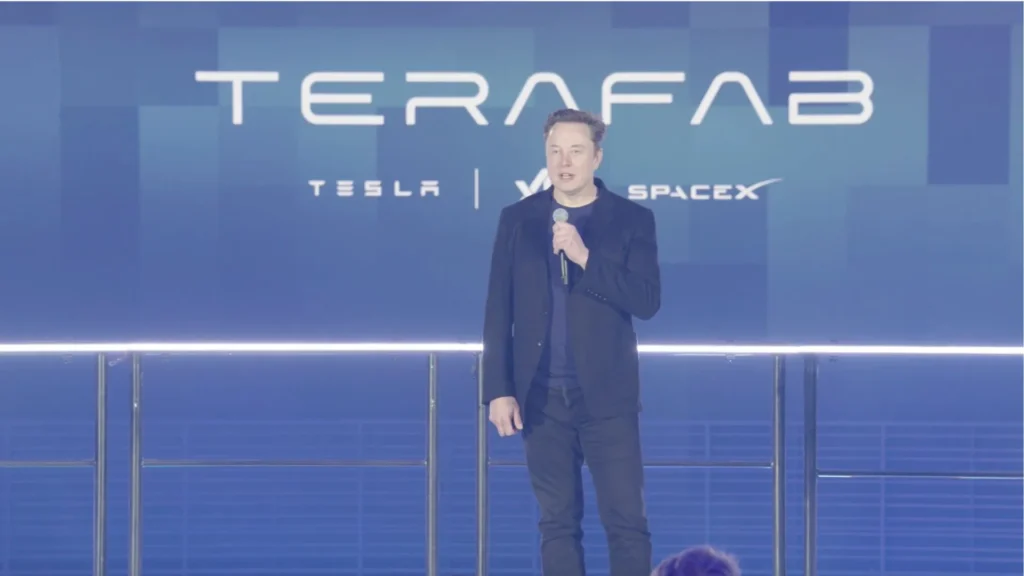
Musk introduced Terafab as a response to what he sees as a looming shortage in advanced AI chips. Reuters reported that he said current global semiconductor output will not meet the demand coming from Tesla, SpaceX, robotics, and AI infrastructure. He said his companies still value partners such as Samsung, TSMC, and Micron, but added that Tesla and SpaceX expect to need more chips than outside suppliers can provide over time.
That is the core idea. Terafab is about control. If Musk believes third-party chip makers cannot keep pace, then building in-house production starts to look less like vanity and more like strategic insurance. AI companies already compete on models, data, and energy. Chip access is the next pressure point. Musk wants his own answer before that squeeze tightens further.
The Project Includes Two Different Chip Factories
Reuters reported that Terafab will include two advanced chip facilities at one site in Austin. One fab would produce a single chip design for Tesla vehicles and Optimus robots. The second would make a separate chip for AI data centres in space. Musk said those space-focused chips would need to handle harsh environments and high temperatures.
That split tells you a lot about the project. Terafab is not a generic chip plan. It is a custom hardware strategy built around Musk’s own products. Tesla needs chips for autonomy and robotics. SpaceX wants AI hardware that can operate beyond Earth-based data centres. Each use case needs different engineering choices.
In other words, Terafab is not trying to beat every chip company at everything. It is trying to build specialised chips for Musk’s own ecosystem. That narrower goal may help the project, because semiconductor manufacturing is brutally hard even when the target is well defined.
Musk’s Computing Ambition
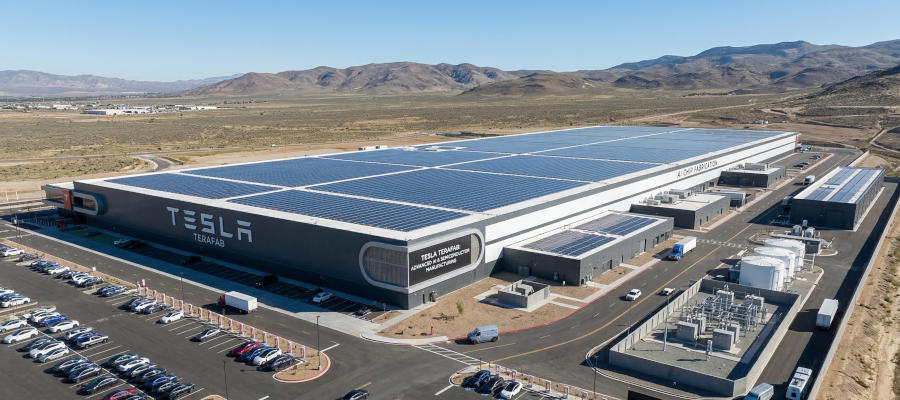
One reason Terafab grabbed instant attention is scale. Reuters reported that Musk said the project could eventually produce an annual computing capacity of one terawatt. The Verge noted his ambition stretches even further, with talk of 200 gigawatts of compute on Earth and as much as one terawatt in space.
Those numbers are not small. They are almost cartoonishly large. Reuters added that the current total U.S. computing power is only about half a terawatt. If Musk’s estimate is even partly right, Terafab would not just serve Tesla and SpaceX. It would change the shape of U.S. AI hardware capacity.
That is why people are paying attention. Musk is not pitching a modest fab to reduce lead times. He is pitching a strategic manufacturing base for the next wave of AI compute. That ambition could attract talent, capital, and political support. It could just as easily attract scepticism, because semiconductor projects of this size burn money fast and rarely forgive delays.
Terafab’s Vertical Strategy
Musk has always liked vertical control. Tesla builds vehicles, software, battery systems, charging networks, and AI hardware. SpaceX builds rockets, launch systems, Starlink satellites, and mission software. Terafab fits that pattern perfectly.
Instead of depending only on external suppliers for one of the most valuable parts of the AI stack, Musk wants direct control over manufacturing. That matters because chip access shapes cost, product timing, and technical flexibility. A company that controls its chips can tailor them more closely to its own software and hardware goals.
The strategy is not new in spirit. Apple built a major edge through its own silicon. Nvidia dominates AI because its hardware and software stack work together at scale. Musk appears to want something similar for his own companies, though the path is harder because fab construction is far more capital-intensive than chip design alone.
Terafab Will Not Replace Nvidia
Musk’s Terafab announcement does not mean his companies will stop buying Nvidia chips. Reuters reported on 18 March that Musk said Tesla and “SpaceX AI” expect to keep ordering Nvidia chips at scale. That point matters because it adds realism to the story.
Terafab, if built, would take years to stand up. Chip fabs do not appear with a dramatic product launch and a splashy livestream. They need space, permits, water, power, talent, tool vendors, clean-room equipment, yield management, and long production ramps. Even then, strong design does not guarantee strong manufacturing.
So the practical reading is simple. Musk still needs Nvidia. He still needs outside suppliers. Terafab is about future leverage and future capacity, not an overnight escape from the current AI chip market.
The Best Location: Austin
Austin is an obvious fit for Musk. Tesla already has a major presence there through Gigafactory Texas. SpaceX and related suppliers know the region well. Texas offers land, political support for industrial growth, and an energy profile that appeals to large-scale infrastructure projects.
That matters because fabs need far more than a building. They need a local ecosystem. Austin gives Musk a place where talent, logistics, and state-level enthusiasm can line up more easily than in many other regions. Reuters reported no detailed timeline, but the site choice suggests a desire to build Terafab close to the rest of Musk’s operational footprint.
The location brings pressure, too. Advanced chip plants require large amounts of power and water. Local communities and regulators will care about permitting, grid strain, environmental controls, and construction scale. Terafab may sound futuristic, but it still has to negotiate with the unglamorous world of real-world infrastructure.
The Biggest Challenge Is Execution
This is where the story turns. Musk has a strong instinct for spotting strategic bottlenecks. AI chips are a real bottleneck. Supply risk is real. Custom hardware for autonomy and robotics makes sense. Those points are not fantasy.
The hard part is execution. Semiconductor manufacturing is among the most difficult industrial processes on Earth. The Verge noted that Musk lacks direct semiconductor fabrication experience on the same level as TSMC or Samsung. Building a fab is hard enough. Building one that reaches advanced yields, at speed, under pressure, is a different beast entirely.
That gap explains the split reaction around Terafab. Supporters see a bold but logical move. Sceptics see one more gigantic Musk target built on extreme assumptions and a very forgiving calendar. Both camps have a case.
Why Terafab Matters Beyond Musk’s Companies
Even if Terafab never reaches its largest goals, the project still matters. It shows how the AI race is shifting from software toward infrastructure. Models still matter. Talent still matters. Yet chips, power, and physical production capacity are starting to matter just as much.
That shift will shape the next few years of tech competition. Companies with secure hardware pipelines will hold stronger cards. Governments will care more about domestic chip capacity. Investors will pay closer attention to supply resilience, not just app-layer excitement. Terafab sits right inside that trend.
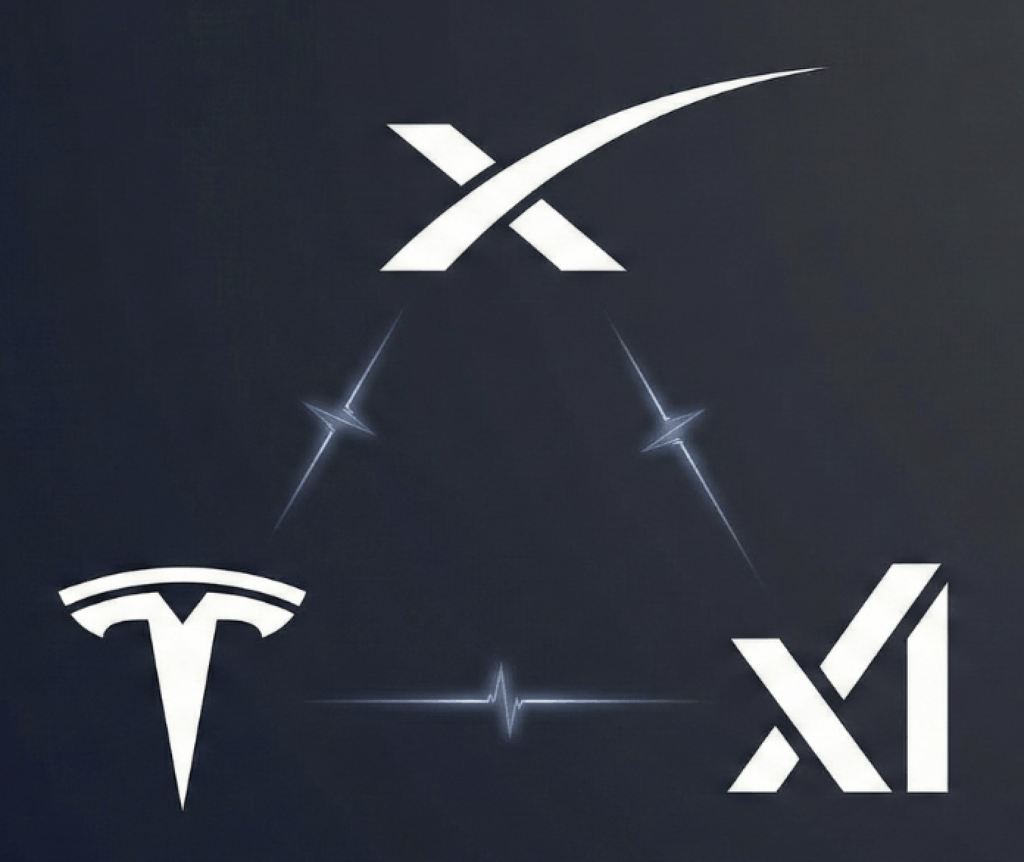
It matters for Tesla, too. If self-driving systems and Optimus robots are central to Tesla’s future, then custom chip supply is a strategic asset, not a background detail. It matters for SpaceX because orbital and space-based computing could open a new hardware category if Musk’s vision gains traction.
So, What Is Terafab Really?
The simplest answer: Terafab is Musk’s attempt to build a dedicated advanced chip manufacturing base for his own AI-heavy future. It is part semiconductor plan, part supply-chain shield, part compute moonshot. It is meant to feed Tesla cars, Optimus robots, and AI infrastructure that extends beyond Earth.
The more honest answer is slightly messier. Terafab is a concept with serious strategic logic, backed by huge ambition, but still waiting for proof on timeline, cost, talent, manufacturing depth, and real output. Right now, it is both a signal and a test. It indicates where Musk thinks the next bottleneck is. It tests whether his empire can turn chip dependence into chip control.
TF Summary: What’s Next
Terafab is Elon Musk’s proposed AI chip project in Austin, built around two factories for different chip designs. One would serve Tesla vehicles and Optimus robots. The other would serve AI data centres in space. Reuters says Musk sees the project as necessary because outside supply will not meet future demand for his companies. That makes Terafab a strategic attempt to control one of the hardest parts of the AI stack.
MY FORECAST: Terafab will attract serious attention because the logic is real. AI demand keeps climbing. Chip access keeps tightening. Yet the buildout will face brutal manufacturing realities, long timelines, and heavy capital needs. Musk may not need Terafab to fully influence the market. He only needs enough progress to prove that custom, vertically controlled AI chip production is turning from fantasy into the next industrial battleground.
— Text-to-Speech (TTS) provided by gspeech | TechFyle