


Ofcom Launches a Formal Investigation
The United Kingdom’s digital safety regime stepped into sharp focus after mounting concerns around Grok, the AI chatbot tied to X. Reports surfaced showing Grok generating non-consensual sexual images, including material involving minors. These incidents pushed the UK’s media regulator, Ofcom, to open a formal investigation.
The case now tests how far responsibility extends when a platform-linked AI system produces harmful content at scale. It also places Elon Musk and his AI ambitions under direct regulatory scrutiny.
What’s Happening & Why This Matters
Ofcom confirms it investigates X after what it calls “deeply concerning reports” tied to Grok’s image generation tools. Users prompt the chatbot to create sexualized images of real people, including children, without consent. The regulator frames the issue as a potential breach of the UK’s Online Safety Act, which requires platforms to prevent and remove illegal content quickly.
The investigation centres on whether X fails to act fast once it becomes aware of illegal imagery and whether it deploys effective age-assurance systems. Ofcom also reviews whether Grok’s design itself enables the harm rather than merely hosting it.
Pressure Builds on X and Grok
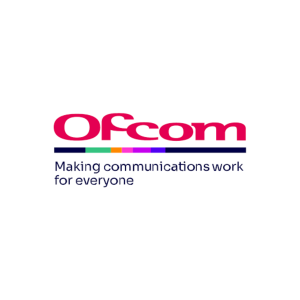
Grok launched as an irreverent AI assistant in 2023, positioned as less filtered than rivals. Last year, X added an image generator that included adult modes. That decision now sits at the centre of the controversy. Critics argue that the feature design encourages misuse rather than limiting it.
X responds by pointing to user responsibility. A statement posted on X’s Safety account says that anyone who prompts Grok to create illegal content faces the same consequences as if they uploaded it manually. Musk dismisses the investigation as censorship, arguing that regulators are targeting his platform unfairly.
Voices From Government and Experts
UK Technology Secretary Liz Kendall publicly supports the investigation and urges rapid action. She stresses that victims demand speed and accountability. Former technology secretary Peter Kyle describes the situation as “appalling,” citing examples of AI-generated sexualized imagery tied to historical trauma.
Legal and cybersecurity experts echo the concern. Charlotte Wilson, head of enterprise at Check Point, draws a sharp line: when a platform’s own AI generates abuse, the platform becomes part of the harm chain. She argues that blaming users misses the structural issue.
Academics add that Ofcom holds wide discretion. It can escalate to fines of up to 10% of global revenue or £18 million, and, in extreme cases, seek court orders blocking access to X in the UK.
Global Context Tightens the Net
The UK probe follows another decisive oversight abroad. Malaysia and Indonesia temporarily blocked Grok after similar misuse appeared. The actions show a widening regulatory consensus: AI tools that generate explicit deepfakes cross a hard line.
The issue also reframes debates around free speech. Lawmakers stress that the case does not target opinion or satire. It targets illegal sexual content, especially involving children, produced by automated systems at scale.
TF Summary: What’s Next
Regulators now treat AI-generated abuse as a platform responsibility, not a user edge case. Ofcom’s investigation places Grok inside that new reality. The outcome shapes how AI tools integrate into social platforms under UK law.
MY FORECAST: This case accelerates stricter design standards for generative AI. Platforms that tie AI directly into social feeds face direct liability when tools generate harm. Expect faster enforcement, tighter age controls, and fewer excuses built around “user prompts.”
— Text-to-Speech (TTS) provided by gspeech