



Industrial Autonomy Gets a Serious Cash Injection, and Britain Wants the Credit
A self-driving startup is redirecting from robotaxis, guiding its software at ports and airports. Suddenly, the money flowed in. Funny how that works.
Oxford-based Oxa — previously known as Oxbotica — has raised $103 million (£77 million) to expand its autonomous driving software for industrial vehicles, plus related robotics and “physical AI” work. The round includes a $50 million anchor from the U.K. National Wealth Fund and backing from Nvidia’s venture arm, NVentures.
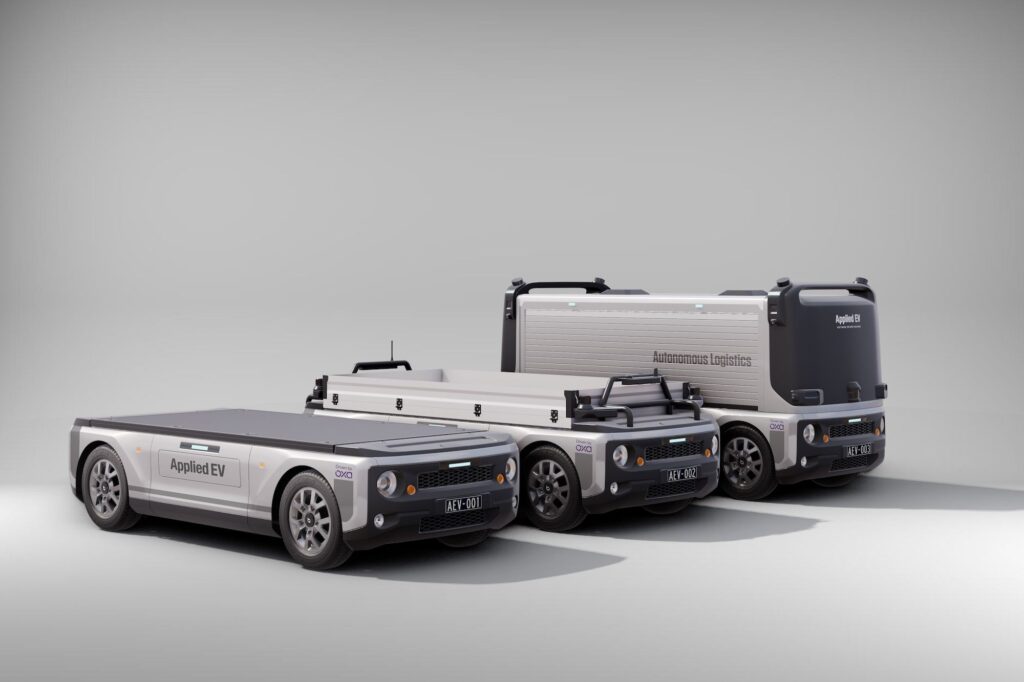
This is not another breathless “robotaxis are right around the corner” story. Oxa is chasing the unglamorous, profitable lane: repetitive industrial driving in controlled environments. Ports. Airports. Factories. Places where rules are clearer, routes repeat, and the biggest risk is a forklift driver side-eyeing your autonomous tug.
The deal signals something bigger: the U.K. wants sovereign strength in robotics and autonomy, while Nvidia keeps buying seats at the table where industrial automation decisions are made.
What’s Happening & Why This Matters
Oxa Raises $103M and Picks the Boring Path That Pays
Oxa says the funding will support the commercial deployment of its self-driving software, as well as work on robotics and physical AI, and accelerate international expansion.
The company focuses on automating repetitive industrial driving tasks, like towing and carrying goods at ports, airports, and factories. That emphasis matters because it flips the usual autonomy narrative.
Robotaxis fight public roads, messy edge cases, unpredictable humans, and slow regulation. Industrial autonomy fights fewer unknowns and often delivers measurable efficiency quickly. Investors like measurable.
Oxa’s co-founder and CTO, Paul Newman — also a robotics professor at the University of Oxford and leader of the Oxford Robotics Institute — said the investment is “great for the UK.”
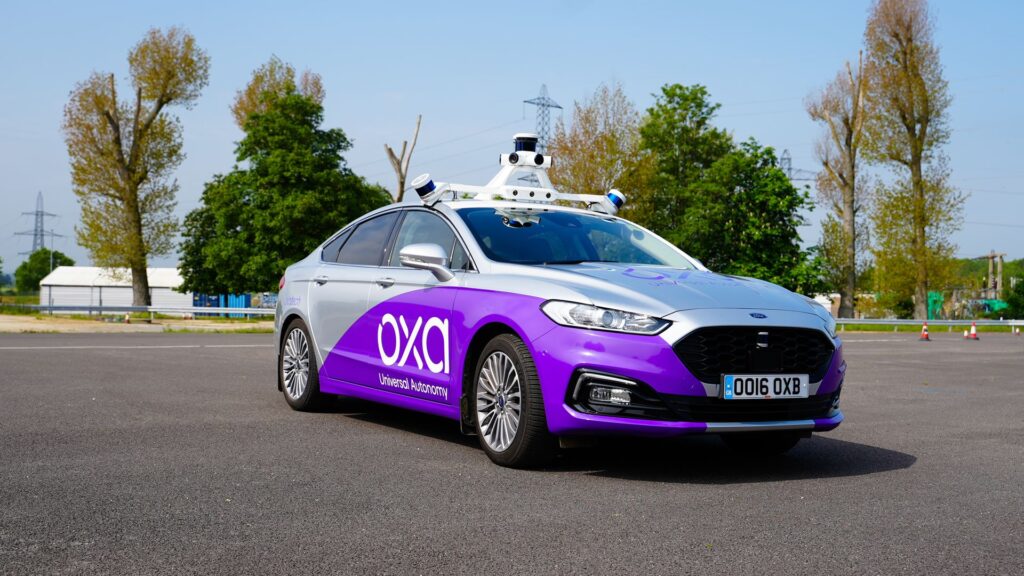
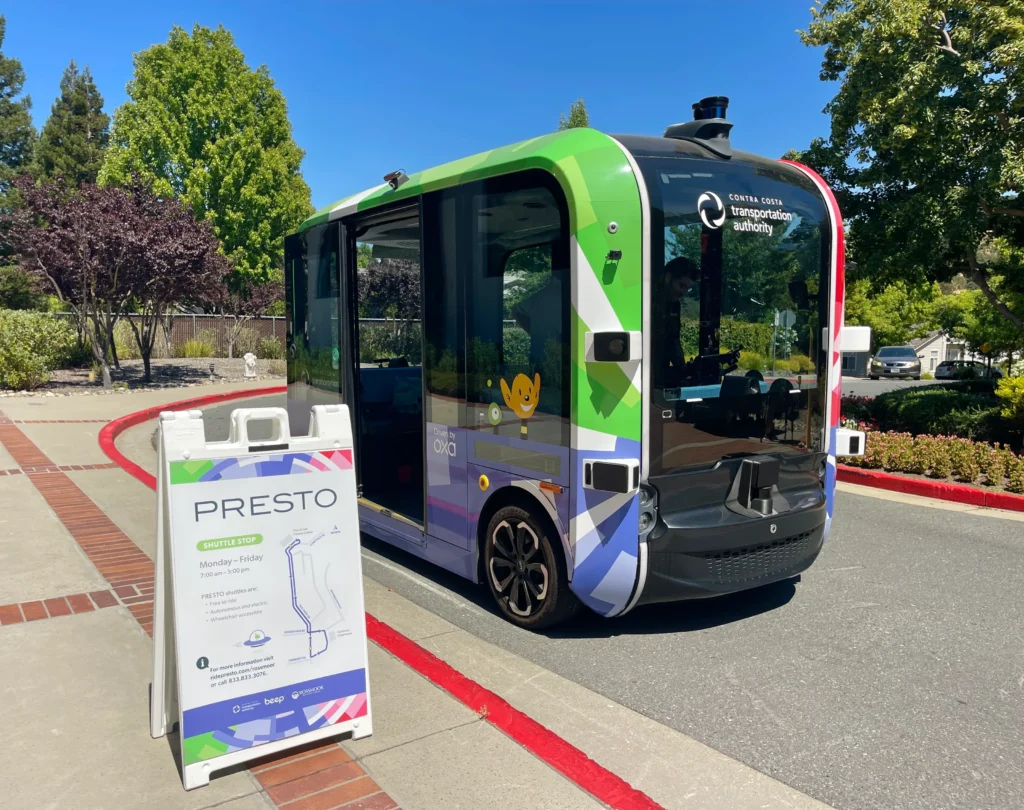
He explains the strategic retreat from passenger autonomy. Oxa exported passenger software to the U.S. and used it to transport 20,000 people, but it left the market because regulation and economics are brutal.
Newman put it plainly: the economics of autonomy off-highway are “cracking,” while road passenger autonomy is “very challenging.”
That is the quiet secret of autonomous driving in 2026. The most valuable deployments often exist far from city streets.
Nvidia Invests Where Autonomy Turns Into Hardware Demand
Nvidia’s interest here is not mysterious. Autonomy runs on compute. Compute runs on Nvidia chips. NVentures’ backing of Oxa strengthens Nvidia’s influence in industrial robotics software stacks.
Industrial autonomy scales widely: ports, airports, logistics centers, mines, warehouses. Each environment requires fleets of vehicles and sensors. Each vehicle needs onboard processing, mapping, perception, and planning.
That adds up to a hardware pipeline. Nvidia does not need to win every autonomy company. It needs autonomy itself to win.
The investment aligns with Nvidia’s positioning around “physical AI” — AI that interacts with the real world through robots and machines. A self-driving tug in a port is physical AI. A forklift that learns routes is physical AI. The systems demand reliability, and they consume compute.
The U.K. Wants Productivity Gains and Global Credibility
The National Wealth Fund, owned by the Treasury, anchors the round with $50 million. The signal is explicit: Britain wants to invest in applied robotics, not only in apps and fintech.
The U.K. minister for industry, Chris McDonald, sees Oxa as an example of national excellence in digital technologies transforming the automotive sector. He says the investment will “boost productivity and improve freight efficiency at home and abroad.”
That quote does two jobs at once. It sells national policy and reassures voters that robotics is not only about replacing jobs. It exists to modernize logistics, lower costs, and make industry more competitive.
In practical terms, automated towing and freight movement can reduce delays, reduce accidents, and improve scheduling. Ports are bottlenecks in global supply chains. Airports are bottlenecks, too. The bottlenecks carry real economic penalties.
Governments increasingly fund automation because infrastructure efficiency is a competitiveness metric, not a bonus.
The Investor Syndicate: “Real Industry” Above Hype
The round includes participation from existing shareholders, including:
- IP Group (London-listed)
- Hostplus (Australian pension fund)
- BP Ventures
That lineup matters. Pension funds and strategic energy investors tend to avoid pure hype cycles. They prefer deployable systems with defensible economics.
Oxa previously received U.K. government grants, reinforcing that the company has long operated in the “serious R&D” lane rather than influencer-demo lane.
“Universal Autonomy” Is the Ambition
Newman says Oxa’s mantra is “universal autonomy,” describing its vehicles as generalists capable of driving in many environments.
That concept is ambitious. It points to a practical product strategy: build autonomy software flexible enough to adapt to ports, airports, factories, and other semi-structured environments.
Generalist autonomy matters because the real money in industrial automation comes from repeat deployment. Every new environment that requires bespoke engineering kills margin. Every reusable module improves scaling.
This explains why industrial autonomy is attractive in the first place. It offers near-term deployments with long-term platform upside.
TF Summary: What’s Next
Oxa’s $103 million raise, with backing from Nvidia and the U.K. National Wealth Fund, validates a growing consensus: industrial autonomy delivers clearer ROI than consumer robotaxis. Ports, airports, and factories offer structured terrain, predictable routes, and a business case that finance teams can actually understand.
MY FORECAST: Oxa will expand deployments in logistics-heavy regions, then integrate its autonomy stack deeper into robotics workflows. Nvidia will keep funding autonomy firms that drive compute demand. Governments will keep funding automation firms that promise productivity gains and supply chain resilience. Public-road robotaxis will keep grabbing headlines, while industrial autonomy quietly takes market share and cash flow.
— Text-to-Speech (TTS) provided by gspeech | TechFyle