


Apple wants more ad money, and Maps is the next stop.
Apple has confirmed that ads are coming to Apple Maps this summer in the United States and Canada. The company says businesses will be able to pay for promotion inside search results and in a new Suggested Places section. Apple is pitching the move as a discovery tool for local businesses. Many users will read the same news another way: the clean map app is getting cluttered with commercial ads.
That reaction makes sense. Apple spent years selling privacy, control, and a polished user experience as key reasons to trust its ecosystem. Ads inside Maps cut against that image, even if Apple insists they will be private. The company says personal data will stay on the device and that a user’s location and ad activity will not be linked to their Apple Account or shared with third parties. That will calm some people. It will not erase the bigger mood. When ads enter a core utility app, users rarely cheer.
What’s Happening & Why This Matters
Apple Has Moved From Rumor to Official Plan
For a while, Maps ads sounded like one more Apple rumor circling the runway. That changed on 24 March. Apple announced a new business platform called Apple Business and used that launch to confirm that ads in Maps will arrive this summer in the U.S. and Canada.
Apple says the ads will appear when users search in Maps. Businesses will be able to create ads through Apple Business. The company says those ads can show at the top of search results and at the top of a new Suggested Places section. That means a restaurant, café, or retailer can pay for better visibility when users search nearby.
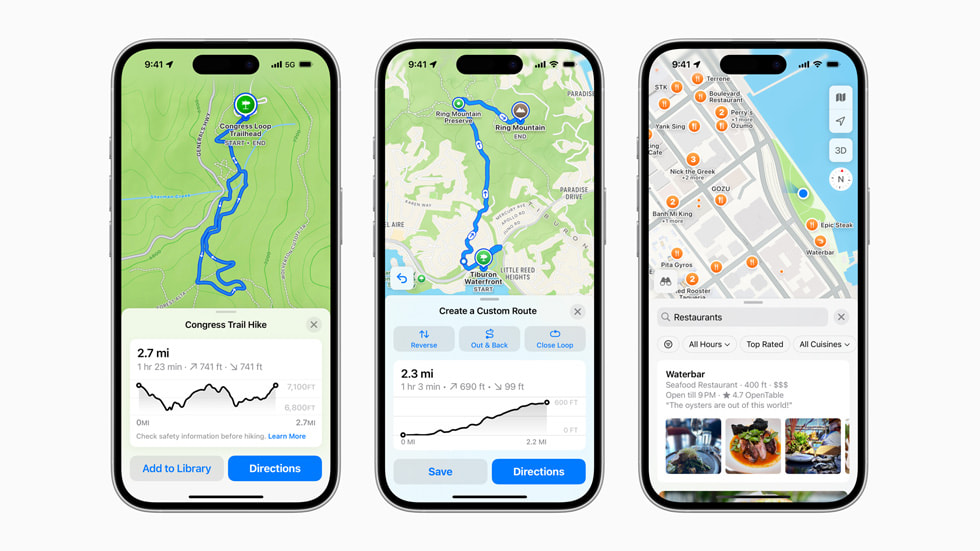
In practical terms, Apple is building a paid discovery layer inside a default navigation tool that already sits on millions of iPhones, iPads, and Macs. That is a serious distribution advantage. It is why the news matters. Apple is not adding ads to a side product. It is adding them to a core utility that people use to move through the real world.
Apple Says the Ads Will Be Private
Apple knows the obvious backlash point. Privacy is the company’s brand armor. So Apple addressed that issue fast. The company said a user’s location, search behavior, and ad interactions in Maps will not be connected to their Apple Account. It added that this data will stay on the device and will not be shared with third parties.
Reuters reported the same point after Apple’s announcement. The news service said Apple told businesses the ads would protect user privacy because ad targeting would not link personal data to an Apple ID. Apple’s own newsroom language goes even further. It says people can discover businesses in Maps while keeping “privacy at the core.”
That message matters, but it will not end the argument. Privacy is not the only complaint users make about ads. Relevance matters. Trust matters. App design matters. A map app can avoid creepy tracking and still feel worse if paid placements start outranking more useful local results.
Apple Is Copying a Familiar Local Search Model
This move is not radical from an ad-industry point of view. It is a local search ad model that already exists elsewhere. Bloomberg reporting cited by several outlets said Apple will let businesses bid for placement against search terms such as “sushi,” “pizza,” or “coffee.” Google Maps already works similarly.
That similarity tells you what Apple is after. This is not a flashy new ad format built around video or AI chat. It is a practical services-revenue product tied to commercial intent. A user searching for a nearby business is already close to a purchase decision. That makes the ad space valuable.
The business logic is easy to understand. If Apple Maps can drive store visits, bookings, and purchases, then local businesses will pay to rise higher. Apple does not need to reinvent advertising here. It just needs enough businesses to decide that Maps promotion is worth the budget.
Services Revenue Pressure Helps Explain the Timing
Apple’s services business keeps growing, and advertising is inside that machine. Reuters said Apple is using Maps ads as part of a wider revenue expansion inside services. The company has already built ad products around the App Store, News, and Stocks. Maps gives Apple another place to sell attention without creating an entirely new app.
That timing matters because some of Apple’s other profit engines face pressure. Reuters noted that App Store commissions and payments from Google tied to default search traffic are under regulatory and legal scrutiny. In that climate, Apple has strong reasons to open new revenue lanes.
So yes, Maps ads are about helping businesses get found. They are about Apple squeezing more value from the default software already installed across its ecosystem. The company does not need to sell new hardware to do that. It only needs to turn existing screen space into a monetizable layer.
The User Experience Risk Is Real
This is where the story gets more emotional and more important. Apple Maps is not just another feed. It is a utility. People use it when they are driving, walking, traveling, or making quick choices. That creates a higher standard. Users want accuracy, speed, and clarity. They do not want to wonder whether the top result is the best match or the best bidder.

Apple once seemed reluctant to add ads to Maps because the company wanted the app to stay useful and uncluttered. That concern was sensible then, and it still is. Once paid listings arrive, the trust equation changes. Users are beginning to ask whether relevance still leads the product, or whether revenue has just bought the front seat.
Apple can reduce that tension with clear labels, restrained design, and good ranking rules. Even then, a paid search result changes how people read the app. A map is supposed to help you find a place. An ad-supported map may help you find a place that paid to wave first.
Apple Business Shows the Bigger Strategy
The Maps ad rollout is not a standalone event. Apple packaged it inside a launch called Apple Business, which the company described as an all-in-one platform for businesses of all sizes. Apple says this new system will combine tools that help brands manage location details, showcase offers, sell products, and run ads across Apple surfaces.
That context matters because it shows Apple is not experimenting with a one-off feature. It is building a business stack. Maps ads are one part of a larger effort to make Apple more useful to merchants, chains, and local storefronts that want visibility inside the company’s ecosystem.
From Apple’s point of view, that is smart. A business that manages listings, promotions, storefront details, and campaigns through Apple tools is more likely to keep spending inside Apple’s ecosystem. The company is not only adding ads. It is tightening its grip on the business side of digital discovery.
More Antitrust and Fairness Questions
Apple will say the system is private and useful. Regulators and critics may ask different questions. Reuters noted that the expansion of Apple’s ad business could trigger fresh scrutiny because Apple has spent years limiting how others collect and use data while growing its own ad products.
That tension is not new. Apple has marketed privacy changes as consumer protection. Critics have argued that those same moves weakened rivals while preserving Apple’s own advantage. Maps ads could pull that debate into a new area. If Apple controls the platform, the discovery flow, and the ad placement system, it is both referee and seller.
That does not make the model illegal. It does make the optics sharper. Apple loves to present itself as the classy adult in the room. Ads inside Maps risk making the company look more like every other platform chasing the next revenue slot.
What Users and Businesses Should Expect Next
For businesses, the upside is obvious. Apple Maps is a stronger local advertising channel, especially for restaurants, shops, clinics, and service providers that rely on nearby discovery. A top search placement inside a default iPhone map app can carry real value.
For users, the next phase will hinge on execution. If ads are sparse, relevant, clearly marked, and limited to natural commercial searches, backlash may cool. If the app is crowded or manipulative, resentment will grow fast. Utility apps do not get much patience when they drift toward ad-first design.
That is why this story matters beyond one summer rollout. It is a test of whether Apple can expand its ad business without damaging one of the cleanest parts of its ecosystem. Users are about to judge that answer in real time, one search at a time.
TF Summary: What’s Next
Apple has confirmed that Apple Maps ads will arrive this summer in the U.S. and Canada through the new Apple Business platform. The company says the ads will stay privacy-focused, appear inside search results and Suggested Places, and help businesses get discovered without linking user data to Apple Accounts. That sounds neat in a press release. In daily use, the real question will be simpler: Does Maps still feel like a tool first?
MY FORECAST: Apple will roll this out carefully, label the ads clearly, and talk about privacy at every turn. That will help, but it will not remove the core tension. A paid result inside a map app changes trust. If users perceive the search experience slips, Apple will face louder criticism than it expects. The company can sell this as a discovery. Many people will still call it what it is: ads in one more place they never asked for.
— Text-to-Speech (TTS) provided by gspeech | TechFyle