


Global Scientists Step In As Artificial Intelligence Outpaces Governance
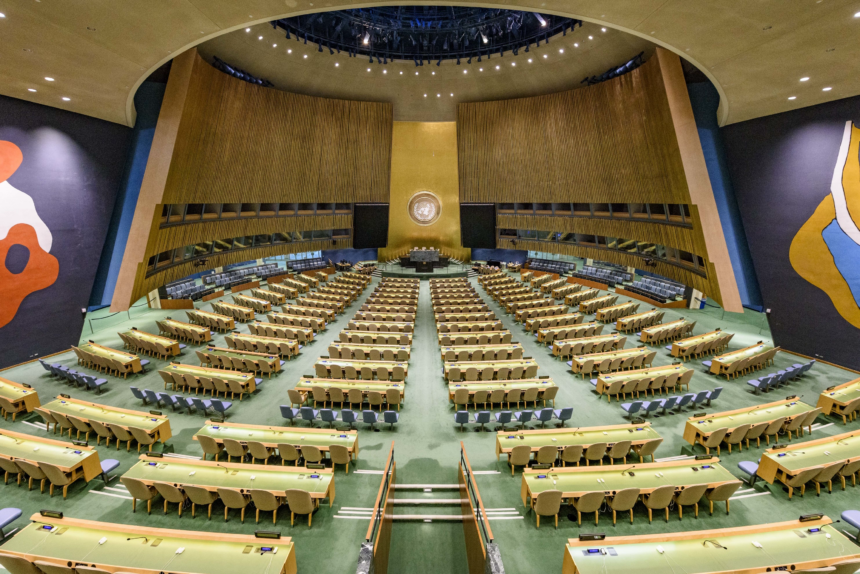
The world builds machines that can write novels, diagnose diseases, design weapons, and generate deepfakes before breakfast. Then everyone looked around and asked the oldest human question: “Who’s in charge here?” The United Nations is attempting to answer that question by assembling the first global scientific body dedicated solely to artificial intelligence risk and impact.
In a decisive vote, the U.N. General Assembly approved a multinational panel of experts tasked with studying AI’s benefits, dangers, and long-term consequences. The decision came amid growing alarm from researchers, former tech insiders, and policymakers who fear the technology is advancing faster than society can safely absorb. Some nations celebrate the effort as overdue. Others warn it represents bureaucratic overreach into a domain driven by innovation and competition.
Either way, the creation of a global AI safety council is a turning point. Artificial intelligence no longer lives only in labs and startups. It changes economies, elections, security, and daily life. Governments want guardrails. Companies want freedom to build. Citizens want both safety and progress. The tension crackles like static in every discussion about the future.
What’s Happening & Why This Matters
A First-Of-Its-Kind Scientific Panel
The United Nations establishes the Independent International Scientific Panel on Artificial Intelligence, a 40-member group composed of leading researchers and experts from around the world. The General Assembly approves the measure by a wide margin, despite notable opposition from the United States and a small group of allies.
The panel will produce annual reports assessing AI’s risks, opportunities, and societal effects. According to U.N. leadership, the goal is not to regulate directly but to provide authoritative scientific analysis that governments can use to shape policy.
U.N. Secretary-General António Guterres frames the initiative as essential infrastructure for the AI age. He explains that nations need reliable information rather than speculation. In his words, the panel delivers “rigorous, independent scientific insight” so all countries, regardless of technological strength, can participate in decisions about AI’s future.
That phrase matters. AI power concentrates heavily in a few countries and corporations. Smaller nations risk becoming rule-takers rather than rule-makers. A global scientific body attempts to level that playing field, at least intellectually.
Why Some Countries Object
Not everyone cheers. Critics argue the U.N. lacks the expertise, speed, and democratic legitimacy to oversee emerging technologies. U.S. representatives label the panel a “significant overreach,” insisting AI governance should stay primarily national or market-driven.
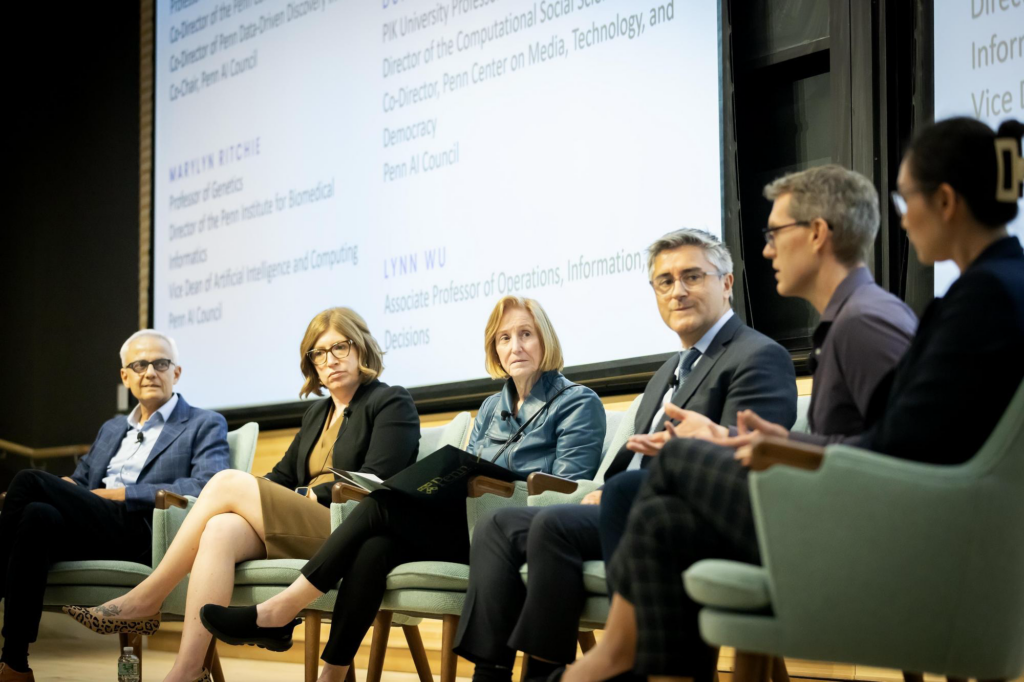
The underlying concern is strategic. Artificial intelligence now functions as a core component of geopolitical power, similar to nuclear technology or advanced computing. Countries competing for leadership in AI hesitate to surrender influence to a multinational institution.
Domestic politics also plays a role. Current U.S. policy leans toward minimal regulation to preserve innovation and economic advantage. Officials warn that heavy global oversight might slow progress or create uneven restrictions that disadvantage certain nations.
From a purely strategic standpoint, the disagreement resembles a classic game-theory dilemma. Cooperation benefits everyone in the long term, but each player fears losing ground if rivals advance faster.
A Chorus of Warnings
The panel’s creation coincides with an unusual wave of public concern among AI researchers. Former employees from major AI companies speak out about safety issues, governance gaps, and the potential for unintended consequences.
Some experts describe the situation in stark terms. They warn that advanced systems may produce misinformation at scale, enable sophisticated cyberattacks, or disrupt labour markets faster than institutions can adapt. Others emphasise existential risks, though they are debated.
Anthropic CEO Dario Amodei, OpenAI leaders, and prominent technologists repeatedly call for stronger safeguards. Apple co-founder Steve Wozniak joins similar appeals. Even insiders who built the technology express unease about how quickly capabilities expand.
Former safety researchers highlight a recurring problem: private companies race to deploy powerful models because competition demands speed. Safety research often struggles to keep up. The result resembles building a rocket while already in flight.
How the Panel Will Work
Members of the scientific panel serve three-year terms and represent a broad geographic mix. Europe holds a significant share of seats, alongside experts from Asia, North America, and other regions. Selection follows a rigorous review process from thousands of applicants.

The panel does not directly regulate AI. Instead, it synthesises research, evaluates trends, and publishes findings intended to guide policymakers. Think of it as a scientific weather service for the technological climate. It cannot stop the storm, but it can warn when one forms.
Annual reports will examine both positive applications and potential harms. Topics likely include autonomous weapons, labour disruption, surveillance, misinformation, environmental impact, and governance models. The goal is comprehensive insight rather than narrow technical analysis.
For nations without large AI research programs, these reports may become the primary source of guidance. For major powers, they may serve as diplomatic reference points or tools in international negotiations.
Why Global Oversight Is So Difficult
Artificial intelligence differs from previous technologies in one crucial way: it evolves through software. No factories, mines, or shipping lanes limit its spread. A powerful model trained in one country can influence billions of people worldwide within days.
Traditional regulatory frameworks struggle to keep pace. Laws operate locally. AI operates globally. Data flows ignore borders. Algorithms propagate instantly. Enforcement is a puzzle with missing pieces.
Moreover, AI systems increasingly interact with each other. Financial trading bots respond to news bots. Recommendation engines shape public discourse. Autonomous systems may coordinate or conflict in unpredictable ways. Complex systems theory suggests that emergent behaviour is harder to predict as networks grow denser.
This is where a global scientific panel could prove useful. By aggregating research and monitoring developments worldwide, it may detect patterns no single country can observe alone.
The Innovation vs. Safety Paradox
Every major technological leap triggers a familiar tension. Innovation promises progress, wealth, and new capabilities. Safety demands caution, oversight, and sometimes restraint. Both impulses are rational. Both can become dangerous when taken to extremes.
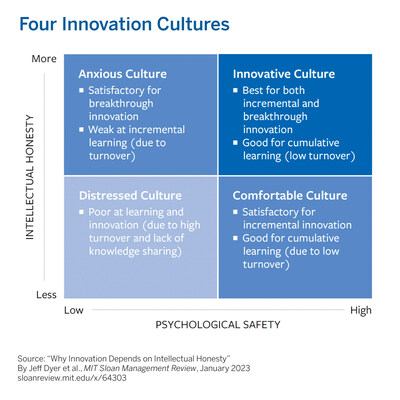
Too little regulation invites chaos and exploitation. Too much regulation stifles discovery and economic growth. Artificial intelligence amplifies this dilemma because its potential impacts span every sector simultaneously.
Proponents of the U.N. panel argue that knowledge reduces fear. Clear scientific analysis helps policymakers avoid reactionary decisions driven by hype or panic. Critics counter that international committees move slowly, while technology advances exponentially.
History offers examples on both sides. Global coordination helped manage nuclear weapons and ozone depletion. Yet bureaucratic inertia sometimes delayed responses to emerging crises. The outcome here is uncertain.
For Everyday People…
At first glance, a U.N. committee sounds distant from daily life. But AI already influences news feeds, job applications, medical diagnostics, education tools, and consumer services. Decisions about governance influence how these systems behave.
If the panel promotes strong privacy standards, users may gain more control over data. The panel can recommend restrictions on surveillance tools, and governments may face pressure to comply. If it discovers labour impacts, policymakers may pursue retraining programs or social safety nets.
Conversely, if disagreements stall action, the technology may continue evolving with minimal oversight. In that scenario, market forces and corporate decisions determine outcomes more than public deliberation.
Either path affects billions of people, whether or not they follow policy debates.
TF Summary: What’s Next
The formation of a global AI safety council marks a milestone in humanity’s relationship with intelligent machines. For the first time, an international body attempts to systematically study the technology’s risks and opportunities at a planetary scale. Supporters view it as a necessary compass. Sceptics see it as an unwieldy bureaucracy stepping into a high-stakes innovation race.
MY FORECAST: The real test will be influence. If governments and companies treat the panel’s findings as authoritative, it could shape global norms for decades. If they ignore it, the council may become a well-intentioned footnote in a rapidly accelerating story. Either way, the debate over who governs AI has officially entered the geopolitical arena, where science, economics, and power collide.
— Text-to-Speech (TTS) provided by gspeech | TechFyle