


Policy, Identity & Digital Government
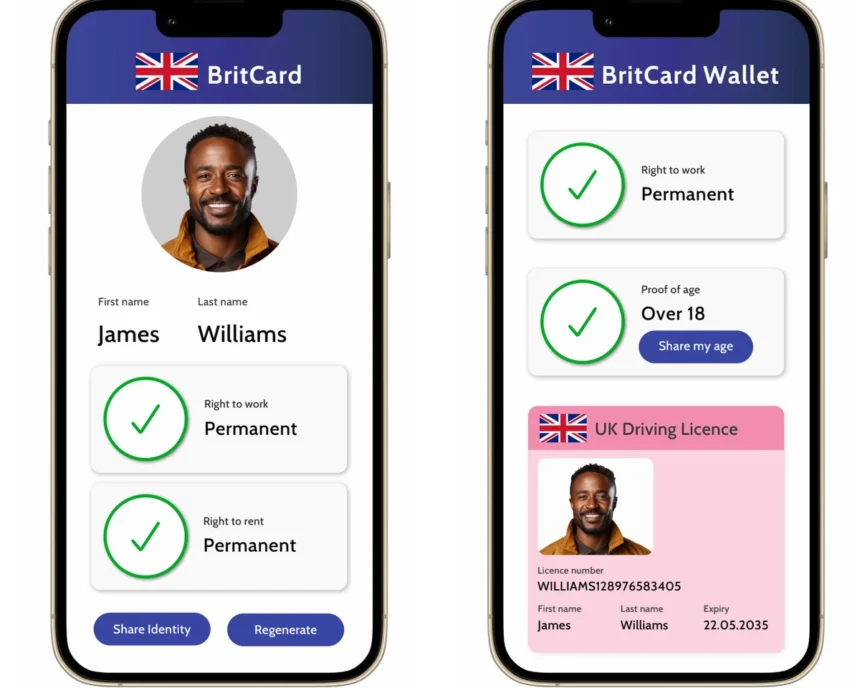
The U.K. government stepped back from a mandatory digital work ID plan after months of political friction, public backlash, and collapsing trust. The proposal once promised tighter controls on illegal work and faster verification. Instead, it became a lightning rod for privacy fears, political division, and doubts about execution.
The Starmer government has dropped the requirement that workers enrol in a new digital ID scheme to prove eligibility. Digital right-to-work checks stay. Compulsion disappears. The reset reframes digital identity as an optional tool rather than a gatekeeper to employment.
What’s Happening & Why This Matters
The Policy Reversal Takes Shape
The government confirms that mandatory enrollment in a digital ID program no longer stands. Employers still perform digital right-to-work checks. Workers no longer face a single compulsory ID credential to access jobs.
Officials clarify that checks rely on biometric passports, existing online verification services, and Home Office databases. The difference matters. Verification continues. Centralised enrollment does not.
Transport Secretary Heidi Alexander explains the stance clearly: digital checks remain essential, but digital ID becomes one option among several, not the only path.
Former Home Secretary David Blunkett frames the reversal as predictable. He points to a lack of narrative, weak explanation, and no shared plan across government. Without clarity, the opposition organised quickly.
Public Trust Collapses Fast

Polling tells the story. Support for digital ID dropped sharply after early government statements framed it as unavoidable. Millions signed petitions against the plan. Civil liberties groups warned about surveillance creep. Employers worried about friction. Workers feared exclusion from the labour market due to technical failures or data misuse.
The backlash cut across party lines. Conservative leader Kemi Badenoch called the plan “terrible.” Liberal Democrats labelled it a waste of public funds. Reform UK framed the reversal as a victory for individual liberty. Green Party leaders echoed relief.
The government now concedes a simple truth: trust matters more than tooling.
What Stays Digital — And What Changes
Despite the retreat, the U.K. does not abandon digitisation. The state keeps pushing digital verification through existing rails:
- Gov.uk One Login continues as a single sign-on for public services.
- Digital verification services remain valid for passport holders.
- Home Office online status checks continue for non-British citizens.
A future Gov.uk Wallet still sits on the roadmap, storing credentials like name, nationality, and residency. The difference lies in consent. Workers choose participation. Employers still verify status digitally.
This shift narrows the scope. Immigration enforcement no longer anchors the narrative. Access to services takes centre stage. The government pitches usefulness, not enforcement.
Why The Reset Is a Lesson
Digital identity systems fail when framed as control mechanisms. They gain traction when framed as convenience tools. The abandoned mandate shows how fast public confidence evaporates when governments jump ahead of social license.
The U.K. still modernises verification. It simply avoids forcing a single credential across the workforce. That choice reflects political reality and a deeper lesson: identity infrastructure requires legitimacy, not just code.
TF Summary: What’s Next
The U.K. keeps digital right-to-work checks while dropping compulsory digital work IDs. Employers verify status through passports and existing systems. Workers retain choice. The government pivots toward service access and usability rather than enforcement.
This outcome reshapes how democracies roll out identity tech. Adoption flows through trust, clarity, and consent. Mandates without narrative fail fast. Optional systems with real utility stand a better chance.
MY FORECAST: Digital identity returns later through incremental adoption, embedded inside services people already use. Mandates stay off the table. Trust becomes the real infrastructure.
— Text-to-Speech (TTS) provided by gspeech