


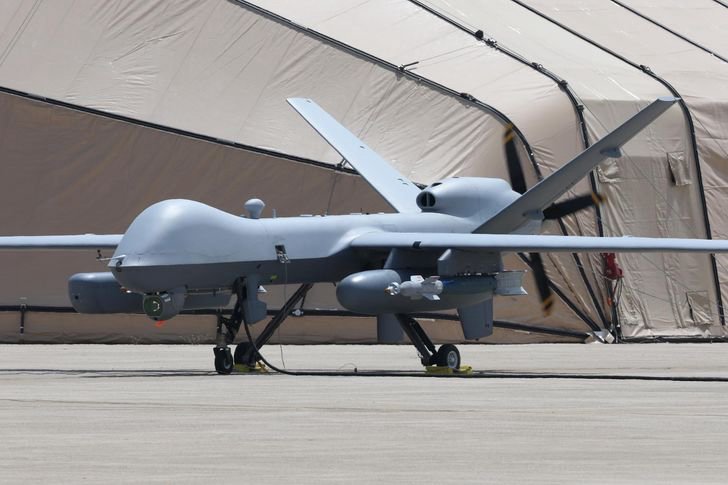
AI is beyond experimental. It is inside the kill chain.
The battlefield is changing. Again. Artificial intelligence helps identify targets, prioritise threats, evaluate legality, and accelerate military planning. The exploding conflict involving Iran has brought that reality into hyper-focus. Reports show that advanced AI systems supported U.S.-Israeli operations, compressing planning timelines from days to minutes.
At the same time, OpenAI rushed into a Pentagon contract after Anthropic was sidelined. The usurpation triggered backlash, internal dissent, and public concern over AI’s role in surveillance and autonomous weapons.
The moments are pivotal. AI recasts how wars are fought. Even how tech companies navigate ethics, power, and politics.
What’s Happening & Why This Matters
AI Shortens the Kill Chain
Experts describe a phenomenon called “decision compression.” AI systems rapidly analyse drone feeds, telecom intercepts, satellite imagery, and human intelligence. They recommend targets and set value assets. They suggest weapon selection. In some systems, they even evaluate legal thresholds.
Craig Jones, a scholar of kill chain analysis, notes that AI allows operations at a speed “quicker than the speed of thought.” That speed changes strategy.
In the first 12 hours of the U.S.-Israel operation, nearly 900 strikes occurred. Historically, such a campaign could have unfolded over days or weeks. AI collapses that timeline.

Palantir’s AI-powered defence platform, Maven, integrates massive datasets into a unified intelligence dashboard. Commercial AI models such as Claude interpret data to support faster decision-making.
Military leaders insist humans are “in the loop.” However, when recommendations arrive in seconds, human review narrows to moments.
Speed wins wars. But speed also raises risk.
Anthropic’s Red Lines and Fallout

Anthropic drew a firm line. CEO Dario Amodei refused to allow his company’s AI to power mass domestic surveillance or fully autonomous weapons.
That stance led the Pentagon to add Claude to the denylist as a supply chain risk. President Donald Trump publicly denounced Anthropic’s position.
Ironically, the public responded differently. Claude surged to the top of Apple’s App Store rankings in the U.S. Demand spiked so sharply that Anthropic reported outages due to “unprecedented demand.”
The message from consumers felt clear. Ethical boundaries matter.
Yet Anthropic’s exclusion created space for OpenAI.
OpenAI Steps In — Then Backtracks
OpenAI quickly secured a Pentagon deal to deploy AI within classified military networks. The agreement initially appeared rushed.
Critics feared ChatGPT models might enable surveillance or autonomous lethal systems. Users launched uninstall campaigns. Day-over-day deletions reportedly surged nearly 300%.
Sam Altman admitted the announcement looked “opportunistic and sloppy.” He later amended the deal, explicitly barring domestic mass surveillance and the deployment of autonomous weapons.
Altman stressed that intelligence agencies such as the NSA would require follow-on modifications before using OpenAI’s system.
Nearly 900 employees at OpenAI and Google signed an open letter urging leaders to reject government demands for autonomous killing systems.
The controversy exposed internal fractures within the AI industry. Engineers want guardrails, while governments want an advantage.
AI in Modern Military Strategy
AI already supports logistics, maintenance, predictive supply chain management, and battlefield analysis. It enhances productivity. It increases efficiency.
Professor David Leslie describes AI as collapsing planning cycles from days to seconds. Yet he warns about “cognitive off-loading.” Humans may feel detached from consequences when machines generate recommendations.
Professor Mariarosaria Taddeo of Oxford University warns that removing the “most safety-conscious actor” from the Pentagon’s ecosystem could weaken oversight.
Meanwhile, Palantir supports human oversight but does not endorse a blanket ban on autonomous weapons.
The situations are unresolved. AI systems improve situational awareness. They also amplify destructive capability.
Ethical and Legal Complexity
Autonomous weapon systems are controversial under international humanitarian law. The United Nations continues to debate the regulation of lethal autonomous weapons.
AI systems can hallucinate. They can misinterpret data. Mistakes at machine speed scale rapidly.
On Saturday, a missile strike reportedly killed 165 people at a school in southern Iran. The UN described the event as a grave violation of humanitarian law. The U.S. military stated it would investigate.
The link between AI targeting systems and civilian casualties is under scrutiny. Transparency is limited.
Strategic Implications
The advantage lies in speed. Decision compression shifts deterrence dynamics.
Nations that deploy AI effectively gain a rapid-response capability. That advantage could destabilise global equilibrium. If one side acts at machine speed, others must match pace or risk vulnerability.
Anthropic’s internal principles noted constitutional safeguards. OpenAI’s amended deal highlights guardrails. Yet scepticism persists.
AI warfare is no longer hypothetical. It operates in real time.
Public Reaction and Market Signals
Consumers vote with downloads.
Claude’s surge in popularity indicates that trust signals influence user behaviour. Meanwhile, backlash against OpenAI demonstrates reputational risk tied to defence contracts.
Technology firms balance government partnerships with consumer loyalty. Military revenue streams compete with public trust.
The dynamic introduces a new form of accountability. Market response can shape strategic decisions.
TF Summary: What’s Next
AI compresses military planning cycles and reshapes battlefield tempo. Anthropic’s red lines sparked political friction. OpenAI’s Pentagon deal ignited backlash and rapid amendments. Consumers, engineers, and policymakers debate the ethical perimeter of AI-powered weaponry.
MY FORECAST: AI integration into military systems will expand rapidly across logistics, targeting support, and intelligence analysis. Governments will formalise “human-in-the-loop” language while continuing to push operational speed. Public scrutiny will intensify. Companies that maintain transparent guardrails will retain consumer trust. The era of AI warfare has begun. The ethical framework is unfinished.
— Text-to-Speech (TTS) provided by gspeech | TechFyle