


Inside the courtroom battle over teen safety, algorithms, and accountability
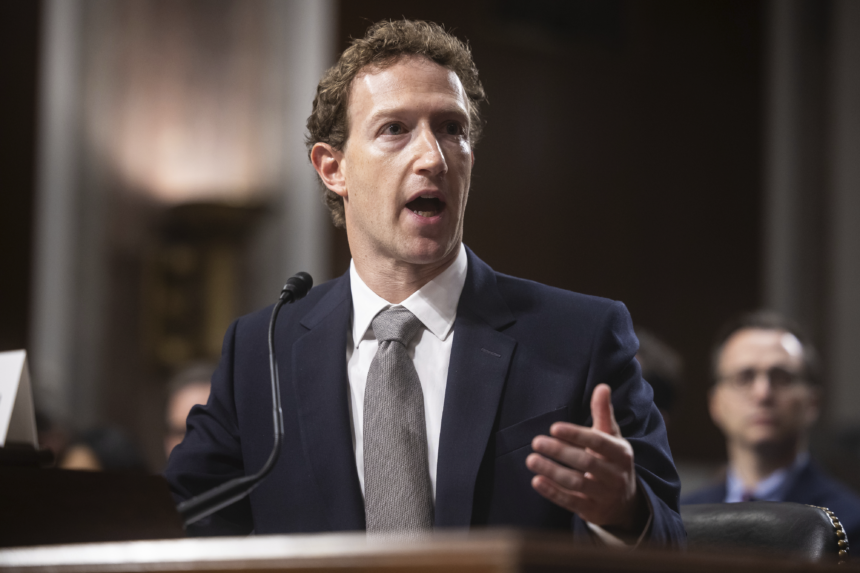
The landmark courtroom drama reached maximum drama in Los Angeles. At the heart of the storm: Meta CEO Mark Zuckerberg. Lawyers, grieving families, and a jury all focus on a single question: Did social media design harm children?
This trial is not just another tech lawsuit. It acts as a bellwether case. That means the verdict could influence thousands of similar lawsuits already pending. Parents claim platforms such as Instagram and YouTube foster addiction in young users. Companies deny that charge. The clash moves from public debate into legal judgment.
The stakes stretch far beyond one family. Regulators worldwide watch closely. Lawmakers search for evidence to justify stricter rules. Tech firms brace for potential financial and structural consequences.
What’s Happening & Why This Matters
The Core Allegations
A young woman, identified only by initials, claims she became addicted to social media as a child. According to the lawsuit, platform features intensified depression and suicidal thoughts. Plaintiffs argue companies deliberately engineered engagement tools to keep users scrolling. They compare these tactics to casino design.

Meta disputes this narrative. Company lawyers argue that social media served as a coping tool, not the cause of harm. They point to the user’s difficult personal circumstances. The defence frames the platforms as passive channels rather than active manipulators.
The court allowed the case to proceed after rejecting attempts to dismiss it. The judge ruled that there is enough evidence for a jury to consider whether engagement-driven features contributed to the harm.
This decision alone signals a shift. Courts increasingly examine not just content but design itself.
The Algorithm Question
At the heart of the case sits the algorithm. Plaintiffs claim recommendation systems push harmful content. Features such as autoplay, infinite scroll, and notifications allegedly trap young users in long sessions.
Meta counters that users choose what to watch. Its legal team argues no feature forces anyone to stay online. The company also leans on Section 230 of the Communications Decency Act. That law generally shields platforms from liability for user-generated content.
Yet this case challenges that shield. The argument focuses on product design rather than content moderation. If the jury agrees, the legal landscape for social media could transform.
Testimony From Inside Meta
Instagram head Adam Mosseri already testified. He rejects the idea that social media is “clinically addictive.” Instead, he describes heavy use as “problematic” rather than pathological.
Mosseri says harming users would be bad business long term. He points to safety tools such as private teen accounts, filters, and parental controls.
Critics question their effectiveness. A 2025 academic study reportedly found that many safeguards still allowed exposure to sexual or self-harm content. Meta dismissed the findings as speculative.
The tension illustrates the issue: technology evolves faster than evidence. Scientists struggle to isolate cause and effect in complex social environments.
Families Demand Accountability
The courtroom includes parents who lost children they believe were harmed by online experiences. Their presence transforms legal proceedings into emotional testimony about grief and responsibility.

One mother recalled watching Zuckerberg apologise in Congress years earlier. She hoped change would follow. Instead, she believes conditions worsened.
Families argue that safety features place too much burden on parents and teens. They face trillion-dollar companies with vast engineering resources. The imbalance fuels calls for government action.
Some cases involve cyberbullying, exposure to harmful challenges, or exploitation by predators. Others focus on mental health deterioration linked to excessive use.
The Trial in the Global Spotlight
This lawsuit involves more than one claim. It stands as the first of over 1,500 similar cases to reach trial. If the jury rules against Meta or Google, the companies could face billions in damages and be required to make mandatory design changes.

Governments also watch closely. European regulators already consider stricter age restrictions for social media platforms. A decisive verdict could accelerate those efforts.
The case also tests how society defines addiction in the digital age. Traditional addiction involves substances. Behavioural addiction remains harder to measure. The science itself still evolves.
Think of it as a legal microscope aimed at the attention economy.
The Defense Strategy
Meta notes its ongoing safety initiatives. After earlier criticism, the company introduced teen accounts with default privacy settings and restrictions. It reports widespread adoption among young users.
Company representatives say evidence will show a “longstanding commitment to supporting young people.”
Defence lawyers also highlight alternative explanations for harm, including family environment and offline stressors. Their argument reframes social media as one factor among many, not the primary cause.
From a legal standpoint, this strategy seeks to introduce doubt. If multiple causes exist, assigning liability becomes difficult.
The Industry Impact
Other platforms have already settled or face separate lawsuits. The outcome could reshape product development across the industry. Features that maximise engagement might face new scrutiny.
School districts, state governments, and advocacy groups increasingly pursue litigation strategies similar to those used against tobacco companies decades ago.
If courts begin treating platform design as a public health issue, the “time spent” business model could weaken.
This would represent a quiet but profound shift in the internet’s economic foundations.
TF Summary: What’s Next
The trial places social media on trial in the literal sense. A jury weighs whether design choices are legally responsible for user harm. The decision could ripple across courts, legislatures, and product roadmaps worldwide.
MY FORECAST: Expect no single verdict to “solve” the issue. Instead, this case opens a long era of regulation, redesign, and legal battles. Platforms will not disappear. They will mutate. Like biological organisms under environmental pressure, tech companies adapt when survival demands it.
— Text-to-Speech (TTS) provided by gspeech | TechFyle