


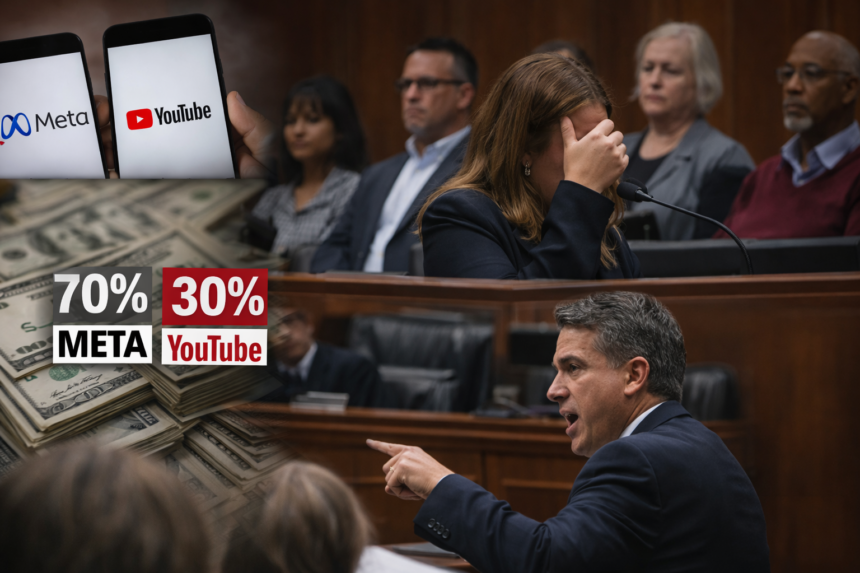
A California jury delivered a sharp message to Big Tech: addictive design is not a free pass when young users get hurt.
A Los Angeles jury has found Meta and YouTube liable in a landmark social media addiction case. The lawsuit centred on a young woman identified in court as KGM, who said compulsive use of Instagram and YouTube helped fuel depression, self-harm, and other mental health struggles that began in childhood. Jurors agreed that the platforms’ design and operation played a substantial role in that harm.
The ruling is the first social media addiction trial of its kind to reach a jury verdict in the United States. For years, families, school districts, and state officials have accused large platforms of designing apps that hook young users while hiding or downplaying the risks. Now, a jury has moved that argument from headlines into legal fact. That shift could echo through thousands of similar lawsuits already waiting in line.
What’s Happening & Why This Matters
Jury Found Meta and YouTube Liable
The jury in Los Angeles found Meta and YouTube liable for negligence and for failing to warn users of the risks associated with their products. Reporting across major outlets said jurors concluded that the platforms’ design choices were a substantial factor in KGM’s harm. The jury awarded $3 million in compensatory damages.
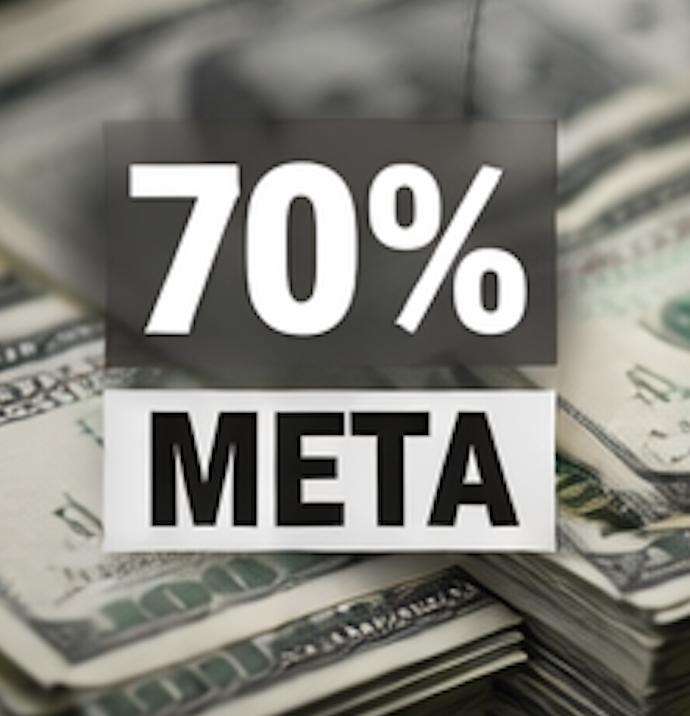
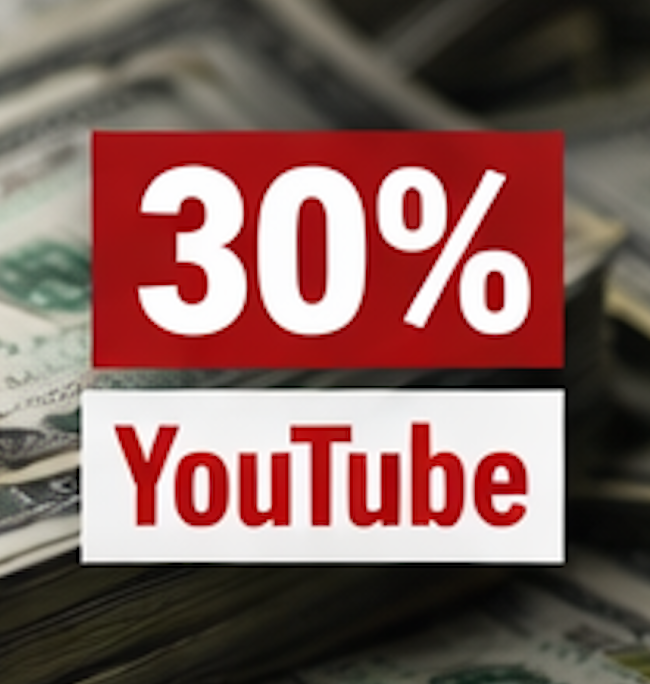
The split of responsibility matters too. Reports said jurors assigned 70% of the blame to Meta and 30% to Google’s YouTube. That allocation suggests jurors believed Instagram carried the heavier role in the plaintiff’s addiction and mental health injuries. It does not let YouTube off the hook. It simply says one platform hit harder than the other.
This was not a narrow paperwork loss. It was a direct verdict that the companies’ design and warnings fell short. That is why the ruling carries so much weight. The jury did not just criticise social media in general. It attached legal responsibility to two of the most powerful platforms in the world.
The Plaintiff’s Story Was The Case’s Emotional Force
KGM testified that she began using YouTube at age six and Instagram at age nine. Her lawyers argued that those platforms became part of a feedback loop that worsened depression, anxiety, self-harm, and body-image issues. Over time, the lawsuit said, her use was not casual or healthy. It became compulsive.
That detail mattered because the case was not built solely on theory. It was built around one person’s experience and how that experience mapped onto product design. The plaintiff’s team argued that features such as autoplay, infinite scroll, algorithmic recommendations, and constant notifications were not neutral convenience tools. They were engagement systems designed to keep young users on the app for as long as possible.
A jury does not need to understand every line of source code to follow that argument. It only needs to understand a pattern. A child enters the platform early. The platform keeps pulling. Harm grows. Warnings never arrive with the force or clarity needed. That story is simple, and that simplicity helped the plaintiff.
The Verdict Is a Big Legal Blow
The case was widely described as the first of its kind to go all the way to a jury verdict in a social media addiction lawsuit. Thousands of similar claims are already pending in U.S. courts. Families, school districts, and state officials have argued that social media firms built products to capture attention, especially from younger users, while knowing that compulsive use could worsen mental health.
For a long time, tech companies had a strong defensive rhythm in the cases. They argued that user choice, parental control, and legal protections insulated them from liability. They often relied on Section 230 or First Amendment arguments to avoid direct accountability for harm linked to user activity or platform design.
The verdict does not erase those defences everywhere. It does show that plaintiffs can survive long enough to persuade a jury. That alone changes the balance. Once a case reaches ordinary jurors and ends with a plaintiff victory, the whole industry loses some of its courtroom mystique. A legal theory that once sounded abstract suddenly looks practical.
Meta and YouTube Still Reject the Core Accusations
Both companies have rejected the idea that their products are unlawfully addictive or that they failed users in the way the lawsuit claimed. After the verdict, Meta said it respectfully disagreed and was considering its next steps. Google said YouTube is not social media in the traditional sense and argued that the platform provides safety tools and controls for families and younger users.
Those responses were expected. No company wants a jury verdict like this to harden into accepted truth without a fight. Appeals will almost certainly come. Legal teams will try to narrow the ruling, challenge the evidence, or reduce the damages.
Still, the public sentiment was not with Meta or YouTube. A jury did not buy the argument that safety tools and general warnings were enough. Future plaintiffs will cite this case whenever a platform claims it has taken reasonable care. One courtroom loss can become a talking point in ten more lawsuits.
The Malice Finding Raises the Stakes
Another important layer made this verdict heavier. Reporting said jurors found that the companies acted with malice, oppression, or fraud. That finding not only supported the compensatory damages. It opened the door to a later phase focused on punitive damages.
That is a serious development. Compensatory damages aim to address harm. Punitive damages aim to punish and deter. When a jury says a company’s conduct may warrant punishment beyond simple compensation, the legal and reputational risks rise quickly.
This is why the case is monumental, far beyond the initial $3 million figure. The money impacts the plaintiff. The larger threat is what comes next. If punitive damages are assessed at a meaningful level, the verdict is even harder for the industry to dismiss as an isolated result.
The Case Is Compared to Tobacco Litigation
The comparison is not subtle, and it is not accidental. Lawyers and some observers have compared the wave of social media lawsuits to the legal battles against Big Tobacco in the 1990s. The reason is straightforward. In both fights, plaintiffs argue that companies built profitable products with known risks, sold them aggressively, and failed to warn users clearly enough about the damage.
No analogy is perfect. Cigarettes and social media are not the same thing. Yet the structure of the accusation is familiar. A product is designed to keep users coming back. Internal research and outside warnings suggest harm. Public messaging stays softer than the private concern. Then the lawsuits start stacking up.
The context reorients public imagination. Once people begin comparing social platforms to tobacco companies, the debate stops sounding like a niche policy fight. It starts sounding like a classic story about corporate accountability, youth harm, and delayed consequences.
An Influence on Thousands of Pending Lawsuits
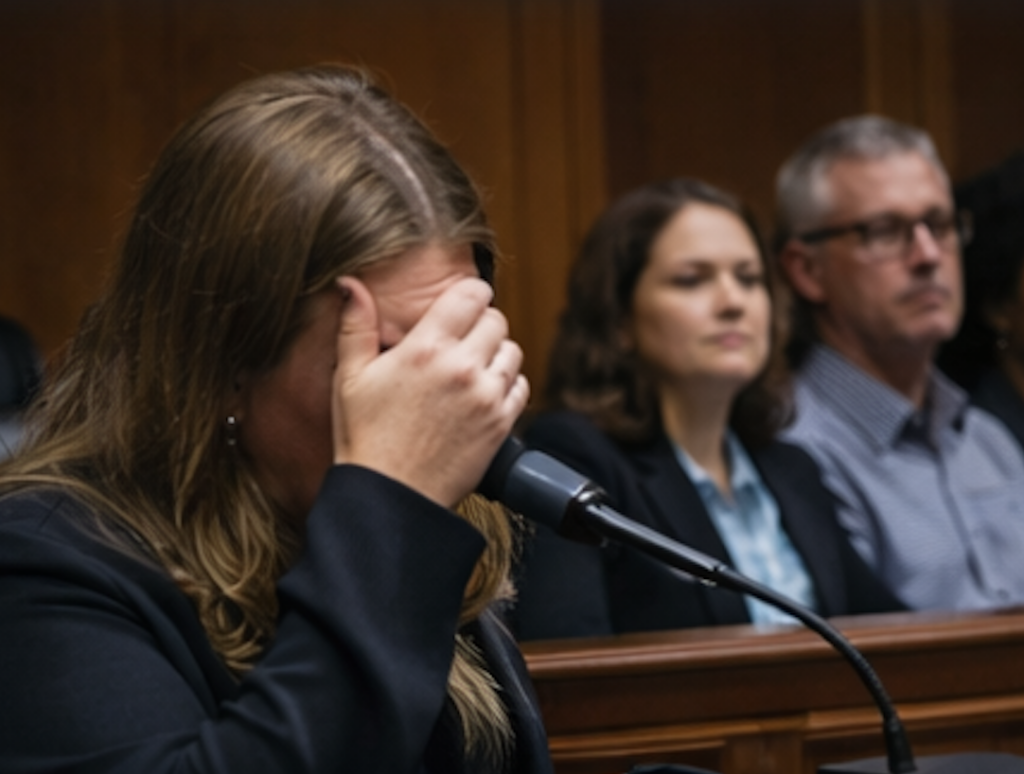
The verdict is not the end of a legal cycle. It may be the start of a much more aggressive one. Courts across the United States are already handling large clusters of lawsuits over youth mental health and social media design. Bellwether trials are supposed to test how evidence, juries, and legal theories may perform before many more cases move forward.
California’s case is especially important. Plaintiffs’ lawyers will study what worked. Defence lawyers will study what failed. Judges in other cases will pay attention to. A first successful verdict gives momentum to future claimants, even if appeals later narrow part of the result.
The ruling may further affect settlement pressure. Once a jury finds liability, the risk math changes. Companies can keep fighting, and they often will. Yet the cost of taking every case to trial rises when one jury has already shown a willingness to hold the platforms responsible.
A Fight Over Product Design
At the centre of this case is a powerful question: when does a product cross from being engaging to being dangerously addictive by design? That is the issue courts will keep wrestling with.
Instagram and YouTube did not invent attention-hungry digital behaviour by themselves. But the lawsuit argued that they sharpened it through deliberate design choices. Features that look harmless on their own can form a much more powerful machine when they work together. Recommendations pull users forward. Autoplay removes pauses. Infinite scroll erases stopping points. Notifications drag users back after they leave.

That combination is what makes the cases so difficult for the industry. The design choices are not accidental. They were built to increase engagement, retention, and time spent. Those goals drive advertising revenue. Plaintiffs say the same goals can drive harm, especially for minors.
Social Media Accountability Has Entered a New Arena
The verdict came shortly after another painful legal result for Meta in New Mexico, where a jury found the company liable under state consumer protection law in a child exploitation case. Together, the cases add to a pattern. Courts and juries are increasingly willing to question the gap between what platforms promise and what they actually deliver.
That does not mean every lawsuit will succeed. It does mean social media firms are facing a tougher phase. They cannot rely only on old talking points about openness, connection, and personal responsibility. Those lines sound weaker when jurors hear detailed stories about minors, mental health, and design systems built to hold attention.
The industry is entering a new courtroom climate. In that climate, product design is no longer background architecture. It is evidence.
TF Summary: What’s Next
The Los Angeles verdict against Meta and YouTube is a landmark moment in the fight over social media addiction and youth harm. A jury found both companies liable for negligence and failure to warn, awarded $3 million in compensatory damages, and left the door open for punitive damages after finding malice, oppression, or fraud. The plaintiff’s story gave the case emotional force. The verdict gave that force legal shape.
MY FORECAST: Meta and Google will appeal, but this verdict will still ripple through the next wave of cases. Plaintiffs will borrow their playbook. Lawmakers will cite it. Platform companies will face sharper questions about autoplay, endless feeds, youth protections, and what they knew about harm. The bigger legal fight is not cooling down. A California jury just made sure of that.
— Text-to-Speech (TTS) provided by gspeech | TechFyle