


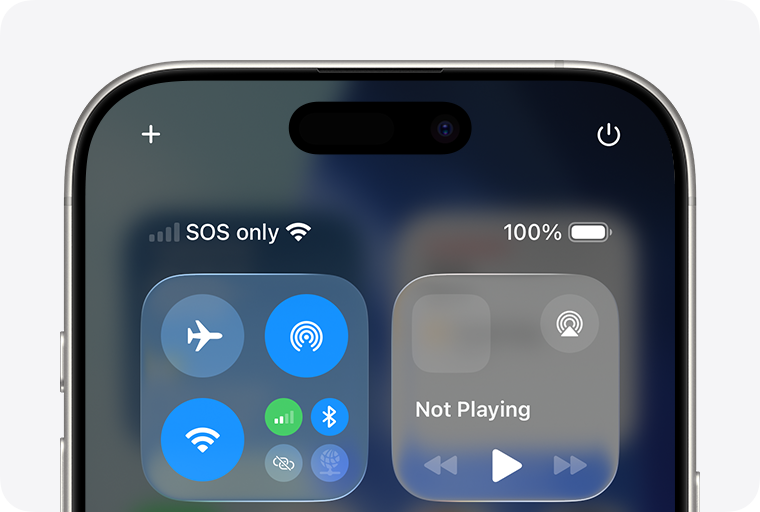
Millions of Verizon customers woke up expecting a normal [mobile] day. Instead, many watched their phones drop into SOS-only mode, cutting off calls, texts, and mobile data across large parts of the United States. The disruption lasted for hours, stretching into the evening, and forced Verizon to issue public apologies and promise account credits.
The outage unfolded quickly, spread widely, and raised fresh questions about network resilience in an era where smartphones double as lifelines. Verizon says service is fully restored. Yet, the episode leaves behind hard lessons for carriers, regulators, and users alike.
What’s Happening & Why This Matters
A Nationwide Network Failure Comes Into Focus
On Wednesday afternoon, Verizon customers began reporting sudden service outages. Phones stopped placing calls. Messages failed to send. Mobile data vanished. On iPhones, the situation appeared even starker as devices flipped into Apple’s satellite-powered emergency SOS-only state, a feature designed strictly for emergencies when cellular networks are unavailable.
Reports poured in from major metros, including New York, Atlanta, Houston, Dallas, and Charlotte. Tracking site Downdetector logged more than 1 to 2 million user reports, with spikes reaching nearly 180,000 complaints in a 15-minute window.
Verizon acknowledged the disruption publicly. In a company statement, a spokesperson said, “Today, we let many of our customers down and for that, we are truly sorry. They expect more from us.” The carrier urged customers to restart their devices once service returned, though it offered no technical explanation for the failure.
SOS Mode Shows Both Progress and Fragility
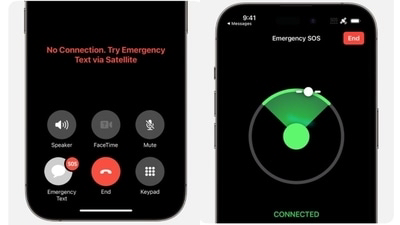
For iPhone users, SOS-only mode highlighted both innovation and vulnerability. Apple’s satellite emergency feature worked as designed, offering last-resort connectivity for emergencies. At the same time, it served as a stark visual signal that one of the largest U.S. wireless networks had gone dark.
Android users reported similar losses, though without the same SOS branding. Some customers relied on Wi-Fi calling as a workaround, while others remained fully disconnected for hours. Satellite messaging support was limited, though buildings and urban density blocked signals for many.
The outage lasted roughly 10 hours for some users, placing it among the most disruptive U.S. telecom incidents in recent memory. Comparisons quickly surfaced to AT&T’s nationwide outage earlier in 2024, which later triggered a federal investigation.
Credits, Accountability, and Regulatory Pressure
Verizon confirmed plans to issue account credits to affected customers. The company did not disclose amounts. For context, AT&T issued a $5 credit after its 2024 outage, equivalent to a full day of service. Some Verizon customers are calling for larger compensation, citing the scale and severity of the disruption.
The incident also drew attention from lawmakers. Senator Ben Ray Luján publicly tied the outage to broader consumer protection concerns, stating that he works on legislation requiring telecom providers to issue pro-rated refunds when outages last for hours at a time.
Industry experts point toward causes such as faulty configuration changes or failed software updates. Verizon, however, continues to withhold technical specifics, a silence that fuels concern among regulators and enterprise customers.
Impact: Telecom Reliability
This outage paints an unsettling reality: mobile networks function as critical infrastructure. Phones support emergency services, financial transactions, navigation, and healthcare access. A prolonged outage disrupts far more than convenience.
The scale of user reports shows how dependent society remains on uninterrupted wireless access. It also exposes how little visibility customers receive when systems fail. Transparency gaps widen trust gaps.
Carriers invest billions into 5G, edge computing, and satellite integration. Yet reliability remains the metric users remember most. When networks fail, brand loyalty erodes quickly.
TF Summary: What’s Next
Verizon restores service and prepares customer credits, yet unanswered questions linger. Customers expect clarity. Regulators push for accountability. Competitors watch closely. Network resilience now sits squarely under public scrutiny.
MY FORECAST: U.S. carriers face tighter oversight, more explicit refund rules, and louder demands for transparency. Future outages trigger faster regulatory action and stronger consumer protections as mobile connectivity continues its climb from convenience to necessity.
— Text-to-Speech (TTS) provided by gspeech