


DeepSeek is Taking the Global South by Storm
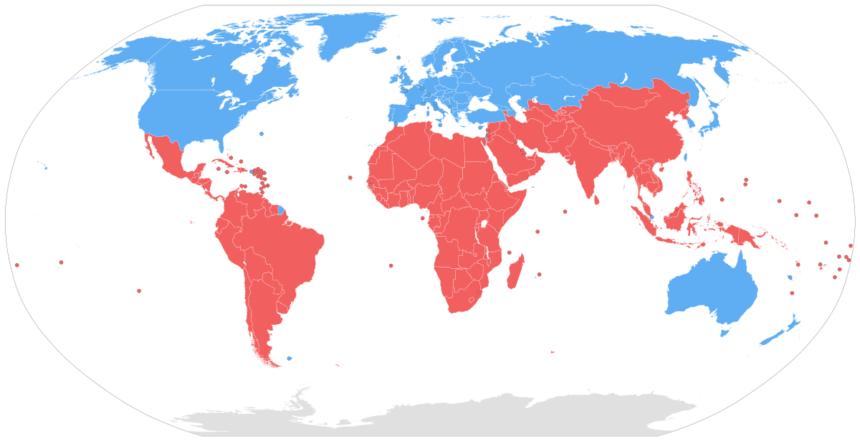
Over the past year, a quiet but decisive change has taken shape across much of the Global South. In contrast, Western audiences focus on headline-grabbing AI tools from Silicon Valley, while another platform gains everyday users across Africa, the Middle East, Eastern Europe, and parts of Latin America. That platform is DeepSeek.
A new Microsoft report explains why. Access, affordability, and availability now matter more than brand recognition. In regions where U.S. services face limits, cost barriers, or infrastructure gaps, DeepSeek fills a real and immediate need. The result reshapes how artificial intelligence spreads beyond wealthy economies and reframes the global AI race in practical terms.
What’s Happening & Why This Matters
DeepSeek Gains Ground Outside the West
Microsoft’s research shows DeepSeek capturing dominant market share across multiple developing nations. In Belarus, the platform reaches more than half of AI users. Cuba, Russia, Iran, Syria, and several African countries also show strong adoption. Inside China, DeepSeek commands nearly the entire consumer AI market.
This growth does not depend on marketing hype. Instead, DeepSeek removes common friction points. The service offers free access on the web and mobile. It allows developers to modify its core engine. It avoids subscription gates that block usage in price-sensitive regions. Microsoft notes that this structure “lowers the barrier for millions of users.”
In contrast, Western tools such as OpenAI’s ChatGPT and Google’s Gemini dominate North America and Europe but reach fewer users where payments, bandwidth, or policy constraints intervene.
Access Shapes AI Adoption
The report frames AI adoption less as a technology contest and more as an access problem. DeepSeek appears by default on phones from manufacturers such as Huawei, instantly putting an AI assistant in the hands of millions.
Microsoft writes that “global AI adoption reflects availability as much as model quality.” This statement reframes common assumptions. Advanced models matter. Yet distribution decides who benefits first. In many developing nations, DeepSeek becomes the practical option rather than the theoretical best.
A Geopolitical Layer Emerges
Microsoft’s analysts also flag strategic consequences. DeepSeek’s reach gives China a stronger digital presence, even as Western platforms struggle to operate there. The report describes the technology as a potential “geopolitical instrument.” That phrase signals influence rather than intent.
Several European governments already block DeepSeek on official devices due to cybersecurity concerns. Belgium, Italy, Denmark, and the Czech Republic restrict usage across public agencies. These actions contrast sharply with rising adoption across the Global South and underline a widening split in global AI norms.
The Growing Global Divide
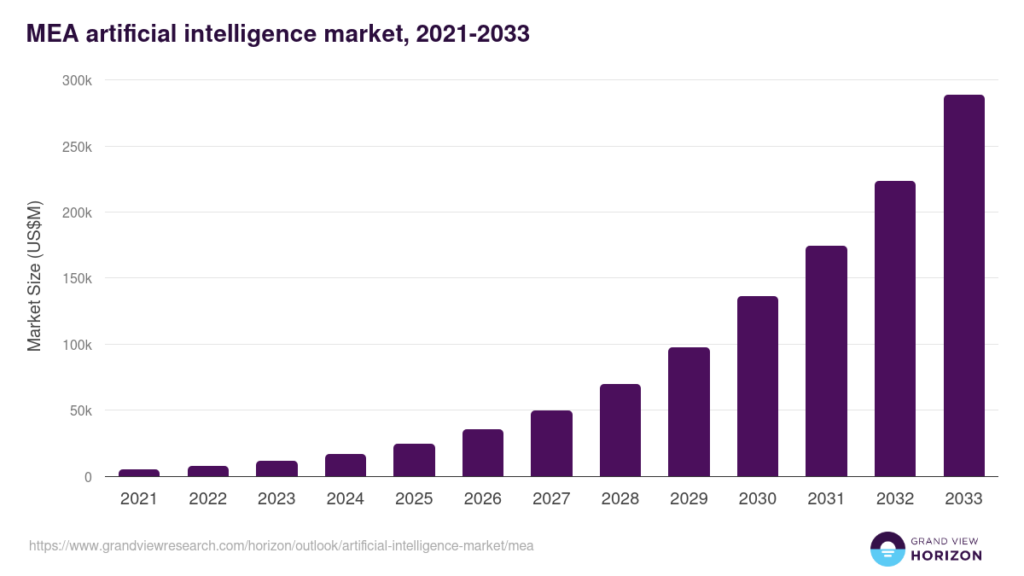
While DeepSeek spreads rapidly across developing regions, Microsoft finds that overall AI adoption still grows faster in the Global North. Infrastructure investment drives this gap. Countries such as the UAE, Singapore, France, and Spain lead in user penetration thanks to sustained digital planning.
Juan Lavista Ferres, Chief Data Scientist at Microsoft’s AI for Good Lab, warns of a widening divide. “We are seeing a divide,” he says, “and we are concerned that that divide continues to widen.”
Interestingly, this finding contrasts with survey data from the Organisation for Economic Co-operation and Development, which shows Gen Z users in the Global South adopting AI faster than peers elsewhere. Together, these insights reveal uneven but accelerating momentum.
TF Summary: What’s Next
DeepSeek’s rise confirms a simple truth. AI adoption follows access. Cost-free tools, open models, and local availability matter more than prestige across much of the world. As a result, nations are increasingly defining their own AI pathways rather than adopting Western defaults.
MY FORECAST: Global AI influence fragments along access lines. Open, low-cost platforms expand reach across emerging economies, while premium ecosystems consolidate inside wealthy markets. This divergence reshapes policy, commerce, and digital power for the next decade.
— Text-to-Speech (TTS) provided by gspeech