


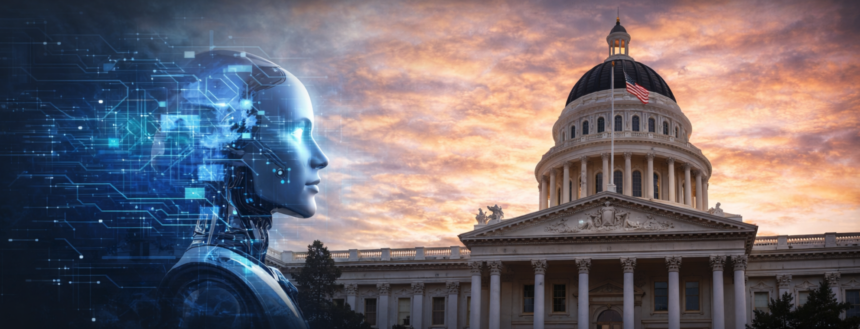
Sacramento, CA, is not waiting for Washington to make up its mind on AI, child safety, and platform power.
California is opening a fresh front in the tech policy fight, and the timing is not subtle. Governor Gavin Newsom has signed a new executive order that gives the state four months to draft AI standards for companies that want California contracts. At nearly the same moment, state lawmakers are behind a separate bill that would let adults who grew up as monetized child influencers demand that parents or family members delete or edit old social media content featuring them as minors.
Put together, the message is blunt. California is not waiting for the federal government to settle the rules of the road. While Washington keeps warning states not to burden AI firms with “cumbersome” regulation, Sacramento is building its own guardrails around bias, surveillance, child safety, and online exploitation. That makes this more than a local policy story. It is a live test of whether the biggest tech state in the country can write rules that run counter to federal pressure and still force the industry to listen.
What’s Happening & Why This Matters
California Is Building Its Own AI Rulebook

Governor Newsom’s latest executive order puts California on a direct collision course with the Trump administration’s lighter-touch AI stance. The order gives state agencies four months to develop procurement standards for AI companies that want to do business with California. The idea is simple. If a company wants state contracts, it will have to show more than product polish and a good sales deck.
The order says vendors will need policies to prevent AI systems from distributing child sexual abuse material and violent pornography. They will need to explain how their models avoid harmful bias and how they reduce the risk of unlawful discrimination, detention, and surveillance. California will even develop best practices for watermarking AI-generated or AI-manipulated images and video.
That is not symbolic fluff. That is regulatory muscle tied to state purchasing power. California is using the size of its government market as leverage. A company can dislike the standards all it wants. If it wants access to state money, it may need to comply.

Newsom said California leads in AI and will use every available tool to ensure firms protect people’s rights rather than exploit them or put them in harm’s way. That statement captures the state’s posture well. California still wants to sound pro-innovation. It just refuses to accept the old Silicon Valley script that innovation must stay mostly unsupervised.
Defying Washington in Plain Sight
The federal tension is where this story gets spicy. The White House framework issued in December went hard against state-level AI laws. The message from President Donald Trump was familiar: U.S. AI firms need freedom to innovate, and heavy state regulation could slow them down. The administration even directed the Department of Justice to form an AI Litigation Task Force to challenge state AI laws.
California reviewed and kept writing anyway.
California is not just any state. It is home turf for many of the world’s biggest AI companies, cloud platforms, chip designers, and venture-backed AI startups. When Sacramento acts, the market pays attention. A procurement standard in California can ripple through product teams, compliance groups, procurement playbooks, and investor calls far outside the state line.
The deeper clash is ideological. Washington is leaning toward national competitiveness and faster commercial scale. California is leaning toward safety, bias reduction, rights protection, and accountability. Neither side is pretending the other barely exists. That means the next phase will not be quiet. It will be legal, political, and expensive.
There is a rude little truth in all this. AI executives keep saying they want clarity. What they really want is clarity that flatters them. California is offering rules instead.
The Child Influencer Bill Is a Different Pressure Point

At the same time, California lawmakers are supporting SB 1247, a bill from Senator Steve Padilla that goes after another modern tech problem: the permanent digital residue of childhood, made profitable by adults.
The bill would require social media platforms to provide a mechanism that lets a child influencer, once they turn 18, request a parent, legal guardian, or family member to delete or edit monetized content featuring them as a minor. The adult creator would then have 10 business days to comply. If they refuse, the young adult could bring a civil action.
That proposal sounds narrow. It is not. It reaches into one of the grimmest corners of platform culture: families turning childhood into content inventory. California already moved earlier to protect child influencers financially. That law required a share of earnings to be set aside for minors featured in monetized content. SB 1247 propels the logic further. Money is not the only harm. Digital permanence is harmful, too.
That is a big deal. A child may get paid eventually and still hate the content living online forever. Embarrassing moments, intimate family scenes, discipline, tears, illness, and private details are part of a permanent searchable archive long before the child is old enough to consent in any meaningful sense. The proposed fix says adulthood should come with a reset button.
The Definition of Tech Harm
One reason the two actions fit together is that they widen what counts as harm in the digital world. The AI order talks about harmful bias, unlawful surveillance, manipulated media, and abusive content. The child influencer bill addresses privacy, consent, compensation, and the right to remove monetized content from public view.

In older tech policy fights, harm often meant one of three things: fraud, hacking, or direct illegal content. California is using a wider lens. Harm can mean manipulation or exploitative design. Harm can mean being turned into content before you are old enough to object. An AI system can cause harm via an unfair decision or by amplifying discrimination.
It changes how regulation works. Once the state sees emotional, social, and rights-based injuries as legitimate policy targets, more of the product stack is fair game. Procurement systems, model safeguards, and platform workflows matter. So do family monetization structures.
That is bad news for any tech executive still hoping that “innovation” is a magic word that can end awkward questions.
Big Tech’s Fight in the Process
Tech firms are unlikely to oppose every piece of the California agenda publicly. Many will say they support child safety, responsible AI, and rights protection. Of course they will. Nobody wants the headline “Company Fights Child Influencer Deletion Rights” or “Startup Opposes Safeguards Against Violent Pornography.”

The real battle will happen in definitions, implementation, and enforcement. What counts as harmful bias? What exactly qualifies as reasonable risk reduction? How strict will watermarking standards get? What evidence must AI vendors provide to win contracts? Under SB 1247, how much editing counts as enough to stop featuring a former child influencer? Can the content stay up if the face is blurred? What about voice, name, or family context?
That is where lobbying will get lively. Companies rarely attack the headline principle first. They attack the mechanics. They say the rule is too vague, too costly, too hard to implement, too risky for privacy, or too likely to stifle growth. Some of those objections will have merit. Many will be strategic delays dressed as legal prudence.
California knows that game. Sacramento has seen it in privacy, labor, gig work, and social media fights. The state is still moving.
A Template for Other States
The biggest consequence may arrive outside California. Other states are encountering the same problems: runaway AI hype, weak federal guardrails, and a social media economy that keeps turning private life into monetized spectacle. If California’s procurement standards stick, they could become a model for other blue states or even for public-sector buyers. If SB 1247 advances, other legislatures may borrow the “right to delete” concept for child influencers.
Copycat laws are often how state-level tech policy scales in the United States. A state tries something first. The industry howls. Courts weigh in. Other states copy the parts that survive. Before long, the market is dealing with a patchwork that starts behaving like a de facto national standard.
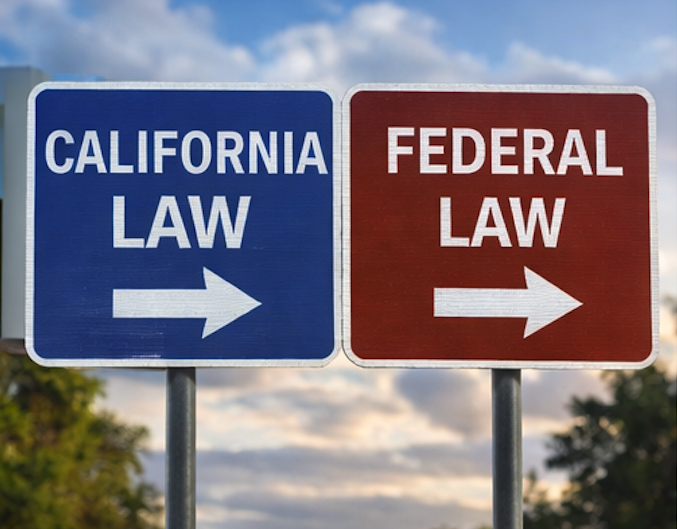
Tech firms hate that outcome because it raises compliance costs. California often sees it as proof that a state can move first when Washington stalls.
And that is the core of this story. California is betting that federal hesitation creates room for state power. If that bet pays off, the state may shape more of AI and platform policy than many people in Washington would like to admit.
TF Summary: What’s Next
California is moving on two tracks at once. One track builds new AI procurement rules that emphasize safety, anti-bias measures, limits on harmful content, and disclosure practices such as watermarking. The other track expands protections for young people who grew up as monetized content by giving former child influencers a proposed right to demand removal or editing of content once they reach 18. Together, the moves show a state trying to regulate not only what tech can do, but what tech companies can profit from.
MY FORECAST: California will keep pressing ahead, and Washington will keep grumbling. The state’s AI order will likely trigger legal and lobbying fights over definitions, contract rules, and federal preemption. The child influencer bill has a good chance of shaping a controversy, even if it is amended. The larger point will stick either way: when the federal government refuses to draw sharper lines, California is happy to grab the pen.
— Text-to-Speech (TTS) provided by gspeech | TechFyle