


A Claim of Unprecedented Scale
Spotify is at the center of the streaming music economy. It hosts hundreds of millions of tracks and defines how modern music reaches listeners. That dominance encountered an uncomfortable test.
A pirate activist group claims it scraped nearly Spotify’s entire music catalog. The allegation posed sharp questions about digital rights, platform security, and how music data fuels the next wave of AI tools.
The novel hack fuses piracy, preservation ideology, and platform vulnerability. It exposes a tension the industry keeps postponing: music data has value far beyond streaming.
What’s Happening & Why This Matters

An activist group operating under Anna’s Archive says it scraped metadata for roughly 256 million tracks. Further, it captured audio files for tens of millions of songs, covering almost all Spotify listens between 2007 and 2025. The group states the release as a “preservation archive,” not a piracy stunt.
Spotify confirms unauthorized scraping occurred. The streaming leader says attackers bypassed digital rights management (DRM) systems and accessed portions of its audio library using illicit methods. Spotify disabled the offending accounts and deployed additional safeguards.
No private user data appears compromised. Spotify says the scraped information includes public metadata and public playlists only.
A Different Type of Piracy
Classic piracy distributes songs. This event distributes structure.
The archive includes metadata, popularity rankings, and audio files organized at planetary scale. That makes it worthwhile not only for illegal listening, but also for machine learning, catalog replication, and algorithmic analysis.

Yoav Zimmerman, CEO of IP protection firm Third Chair, puts it bluntly: a scrape makes it easier than ever for AI systems to train on modern music at scale. Copyright law is the last meaningful barrier.
The group estimates the archive totals just under 300 terabytes. Distribution occurs through peer-to-peer torrents, sorted by popularity.
Spotify’s Position
Spotify notes alignment with artists and labels. The company says it works with partners to defend creative rights and prevent unauthorized reuse.
“Since day one, we have stood with the artist community against piracy,” a Spotify spokesperson states.
That stance collides with a reality few platforms like to admit: once data reaches sufficient scale, control becomes probabilistic rather than absolute.
The Bigger Picture
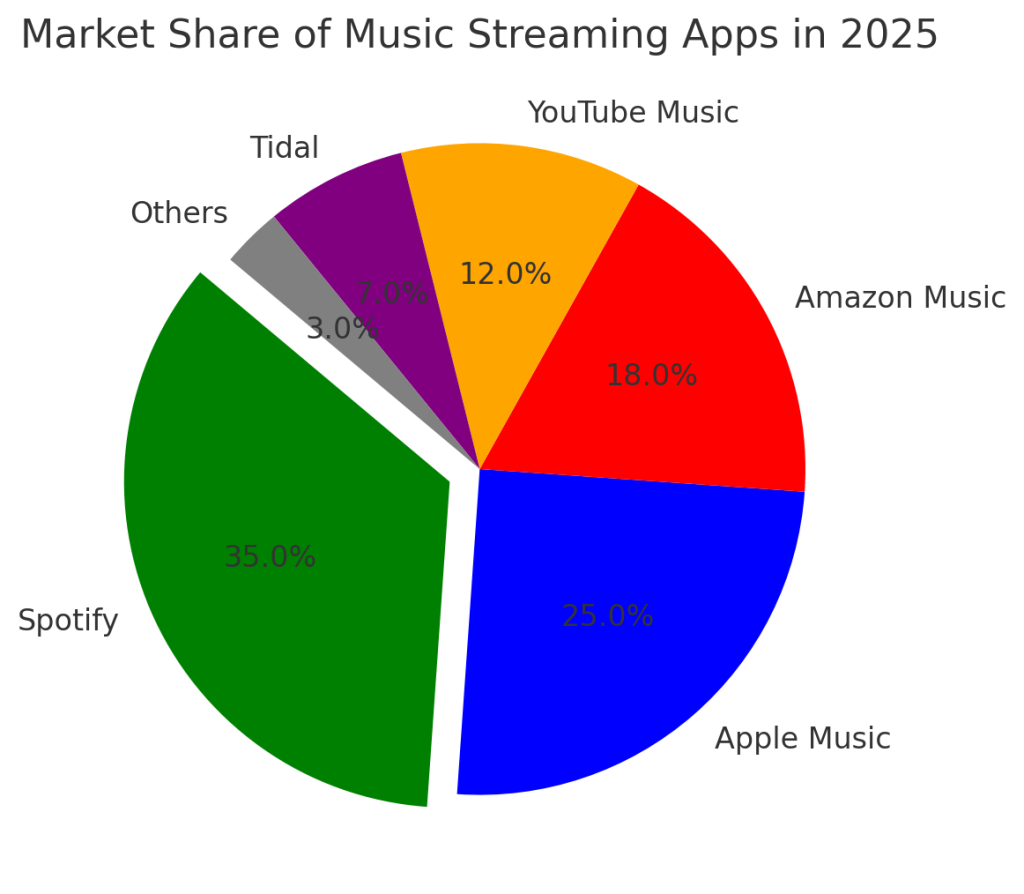
The incident exposes a structural vulnerability shared by every central content platform.
Music catalogs function as training datasets, cultural archives, and economic infrastructure at the same time. DRM protects access. It does not fully protect replication, especially against determined actors with compute, time, and ideological motivation.
The deeper issue is not whether piracy exists. It always has. The problem is that music trains machines, and machines never forget.
TF Summary: What’s Next
Spotify continues damage control while rights holders watch closely. Legal action remains inevitable against anyone who attempts to operationalize the archive. Enforcement becomes the primary deterrent.
MY FORECAST: Platforms tighten scraping defenses and watermark metadata. Regulators start treating large content libraries as strategic digital assets. AI companies face sharper scrutiny over the sources of their music training. The age of casual dataset reuse ends fast.
— Text-to-Speech (TTS) provided by gspeech