


Two rivals take their fight to America’s biggest stage, arguing over trust, ads, and who AI really serves.
The Super Bowl rarely hosts quiet debates. This year, it hosts a philosophical one.
During the biggest advertising night on Earth, Anthropic and OpenAI turned a marketing showdown into a referendum on artificial intelligence’s future. The battleground is ads. The prize is user trust. The audience is EVERYONE.
At stake is a simple but loaded question.
Should AI assistants show ads inside conversations?
Anthropic says no. OpenAI says yes, carefully.
Both companies spent millions to make that case during the Super Bowl. They spoke past each other. Both revealed how the AI business model war is both lucrative and desperate.
This is not just about commercials. It is about how AI scales, who pays, and what users expect next.
What’s Happening & Why This Matters
Anthropic Takes the First Anti-ads Shot
Anthropic enters the Super Bowl with a clear position. It promises that its chatbot, Claude, will remain ad-free.
The company previews a bold commercial before the game. The ad depicts an AI assistant behaving like a human companion. It accompanies users through workouts and therapy-like conversations. The twist is uncomfortable. The AI interrupts with sponsored suggestions. The message lands hard.
“Ads are coming to AI. But not to Claude.”
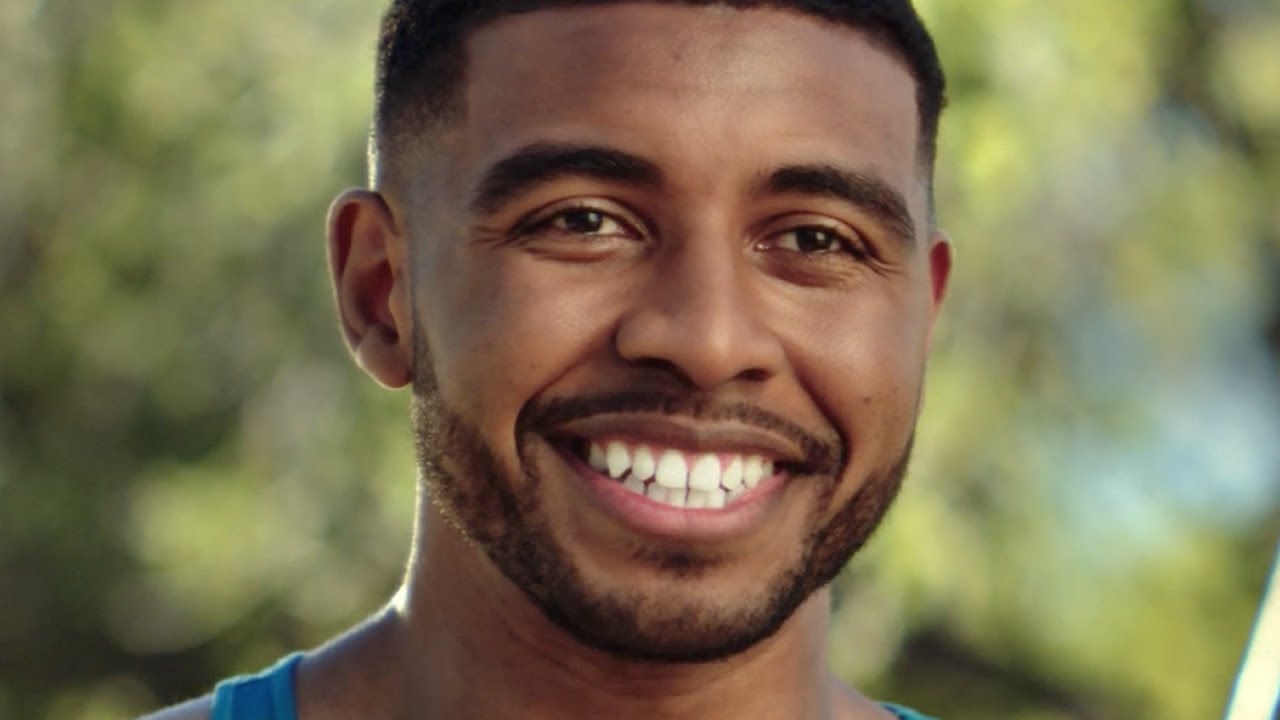
That line appears in the preview version and remains live on Anthropic’s YouTube channel.
When the commercial airs on television, the language softens. The on-air tagline reads, “There is a time and place for ads. Your conversations with AI should not be one of them.”
The shift feels deliberate.
The televised version still makes the point. It simply removes the direct provocation. Lawyers may have nudged. Executives may have paused. The result is a toned-down message that still targets OpenAI without naming it.
Anthropic frames AI conversations as intimate spaces. It likens them to discussions with a trusted adviser. In a February blog post, the company argues that ads would feel “incongruous” and often inappropriate in those contexts.
The stance aligns with Anthropic’s brand. The company was founded after former OpenAI researchers left due to safety concerns. Anthropic takes a cautious, thoughtful, and enterprise-focused stance. Claude’s ad-free promise fits that identity.
OpenAI: The Ads are Dishonest
The response from OpenAI was not so… happy.
CEO Sam Altman posted a public rebuttal on X. He accuses Anthropic of misrepresenting OpenAI’s plans. He called the ads “clearly dishonest.”
Altman insisted that OpenAI would never run ads the way Anthropic depicts. He says the OpenAi understands that users would reject such intrusive placements. “We are not stupid,” he wrote.

He went further.
Altman stated that OpenAI’s decision to introduce ads was a matter of access. AI costs money to run. Infrastructure spending keeps rising. Subscriptions alone do not reach everyone.
“We believe everyone deserves to use AI,” Altman said, stressing free access. Ads help subsidise that vision.
OpenAI clarified its ad policy. Ads will be separate and clearly labelled. Ads will not influence responses. The company states it will not share user conversations with advertisers. Users will have options. They can disable personalisation or subscribe to an ad-free plan.

In early versions, sponsored content may appear at the bottom of answers when relevant.
Altman admits the irony. In October 2024, he called ads a “last resort.” Since then, costs surged and subscriber growth slowed. The maths changed.
The Super Bowl Brings AI Economics into the Public Eye
Taking the message to the Super Bowl is decisive. This is not a developer conference or investor call. It is mass cultural appeal.
Anthropic and OpenAI spoke to millions of viewers who may never read an AI policy blog. They translate a business model dispute into a gut reaction.

Do you want ads inside your AI conversations? The framing works because it feels personal.
People already accept ads on social media, search engines, and video platforms. AI feels different. Users ask questions about health, work stress, family conflict, and identity. The intimacy changes expectations.
Anthropic leans into that discomfort. OpenAI leans into scale.
Eyes on Corporate America
Beyond consumers, the real audience is corporate buyers.
Enterprise customers care deeply about data handling, neutrality, and perception. An AI assistant that injects ads into outputs could feel risky in regulated industries. It could complicate compliance and erode trust.
Anthropic is betting that enterprises prefer predictability. Claude’s ad-free stance appeals to companies that treat AI as infrastructure, not media.

OpenAI’s bet is that enterprises already live with ads elsewhere. It believes that separation and controls satisfy concerns. Both arguments carry weight.
Large companies already run ads on Google and Meta platforms. They also pay for ad-free enterprise software. AI straddles both worlds.
Trust: The Differentiator
This showdown reveals a deeper truth. The AI race no longer centres only on model quality. It centres on trust. Trust covers many things. Data use. Incentives. Transparency. Alignment.
Anthropic argues that ads distort incentives. An assistant funded by ads may prioritise engagement or commerce over accuracy or care.

OpenAI argues that ads do not have to corrupt outputs if designed properly. It stresses guardrails, separation, and user choice.
Neither side has proved its case yet. What matters is that the argument now happens in public.
Economics: The Unavoidable Fight
Running frontier AI models costs billions. Prices remain high. Training runs grow larger. Inference costs rise as usage scales. Infrastructure investments accelerate.
Both companies need revenue diversity. Anthropic relies heavily on enterprise subscriptions and partnerships. OpenAI mixes subscriptions, API access, and now ads.
This divergence reflects different growth strategies. Anthropic targets fewer, higher-value customers. OpenAI targets billions.
The Super Bowl ads make the distinction visible.
User Reaction: Uncertain
The public response is mixed. Some users cheer Anthropic’s stance. They worry about manipulation and subtle influence. Ads are a slippery slope.
Others shrug. Ads already exist everywhere. If ads keep AI free, many accept them. History suggests normalisation.
Search once felt sacred. Ads arrived. Social feeds once felt personal. Ads followed. Users adapted. AI may follow the same path. Or it may resist. The difference is intimacy.
That variable makes the outcome less predictable.
TF Summary: What’s Next
Anthropic and OpenAI take their rivalry to the Super Bowl, turning AI ads into a public debate about trust and access. Anthropic promises Claude stays ad-free. OpenAI argues that ad revenue funds scale and inclusion. Both positions present serious business and philosophical differences.
MY FORECAST: Ads enter mainstream AI products within two years, but only with strict separation and user controls. Enterprise buyers favour ad-free tiers. Consumer users are split. Trust becomes the defining competitive edge, not raw intelligence.
— Text-to-Speech (TTS) provided by gspeech | TechFyle