


CES 2026 opened with less spectacle and more substance. The early announcements did not chase shock value. Instead, they focused on practical intelligence, quieter design progress, and AI that embeds itself into daily life rather than announcing itself loudly. Compared to past years filled with moonshots and half-finished ideas, this year’s tone feels deliberate. The industry understands execution matters more than vision decks.
Several companies previewed products ahead of the show floor opening. Others waited until CES Unveiled to show working hardware. Across categories, one theme stands out: AI no longer serves as the headline. AI now serves as the plumbing.
What’s Happening & Why This Matters
CES historically acts as an expectations release valve for the tech industry. Companies unload ideas that spent months in closed labs. In earlier years, that pressure produced spectacle. This year, it produces refinement.
Samsung, LG, Google, Nvidia, and a wave of smaller hardware players frame AI as an invisible layer. Devices speak less about intelligence and more about usefulness. The shifts show maturity rather than stagnation.
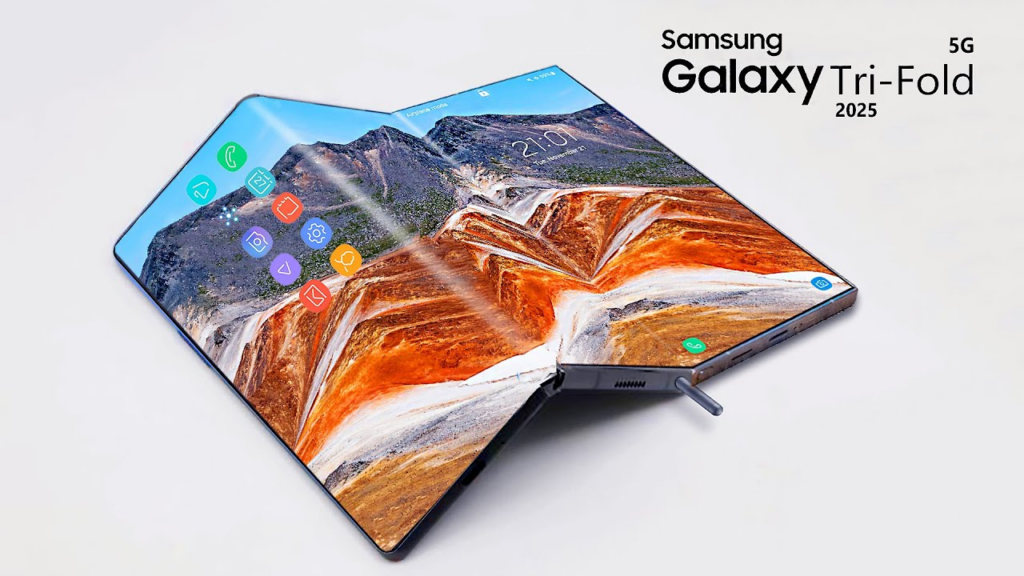
Foldable hardware provides a clean example. Samsung’s Galaxy Z TriFold expands beyond novelty. The device unfolds into a legitimate workstation experience through DeX. Some note how the software no longer feels like an accessory. It behaves like a primary interface. This matters because foldables only survive once they replace multiple devices rather than impress briefly.
Home technology follows a similar path. GE Appliances introduces a refrigerator that scans packaging and builds shopping lists. The feature does not rely on futuristic gestures or voice prompts. It fits naturally into daily routines. That design choice is a CES pattern: AI recedes from the interface while expanding beneath it.

LG’s presence reinforces that direction. The revived Wallpaper TV and new Gallery TV remove distraction from the display itself. Hardware fades into the environment. Even CLOiD, LG’s mobile home robot, avoids sci-fi theatrics. It presents itself as a utility hub rather than a personality-driven companion. Whether CLOiD performs reliably remains open, but the intent signals restraint.
Smaller exhibitors echo the same philosophy. Clicks introduces a distraction-reduced Android communicator with a physical keyboard. SwitchBot’s LED desk lamp leans into ambient awareness rather than notifications. Petkit’s smart feeder tracks health signals quietly in the background. The products avoid tacky AI branding. Consumers no longer need convincing that AI exists. They need reassurance that it stays out of the way.
The entertainment and gaming sector is presenting a similar discipline. LG’s OLED evo W6 prioritises physical thinness and wireless connectivity rather than feature overload. GameSir experiments with tactile immersion through hardware feedback rather than screen-based gimmicks. The ideas suggest confidence. When companies stop overselling features, they offer belief that the product speaks for itself.
Across CES 2026, AI operates as infrastructure, not spectacle. That choice is a market correction. Consumers reward tools that save time, reduce friction, and blend seamlessly into existing habits.
TF Summary: What’s Next
CES 2026 does not introduce a single defining device. It introduces a defining mindset. Tech companies now design for longevity rather than headlines. They optimise for friction reduction l rather than novelty.
The next phase unfolds quietly. Expect fewer announcements framed as revolutions and more framed as upgrades. Hardware teams focus on durability. Software teams focus on invisibility. AI continues expanding, but it hides behind better interfaces and calmer design choices.
MY FORECAST: By mid-2026, consumer tech marketing stops leading with AI altogether. Products sell through reliability, integration, and trust. Future CESes present a market where intelligence is assumed, not advertised.
— Text-to-Speech (TTS) provided by gspeech